


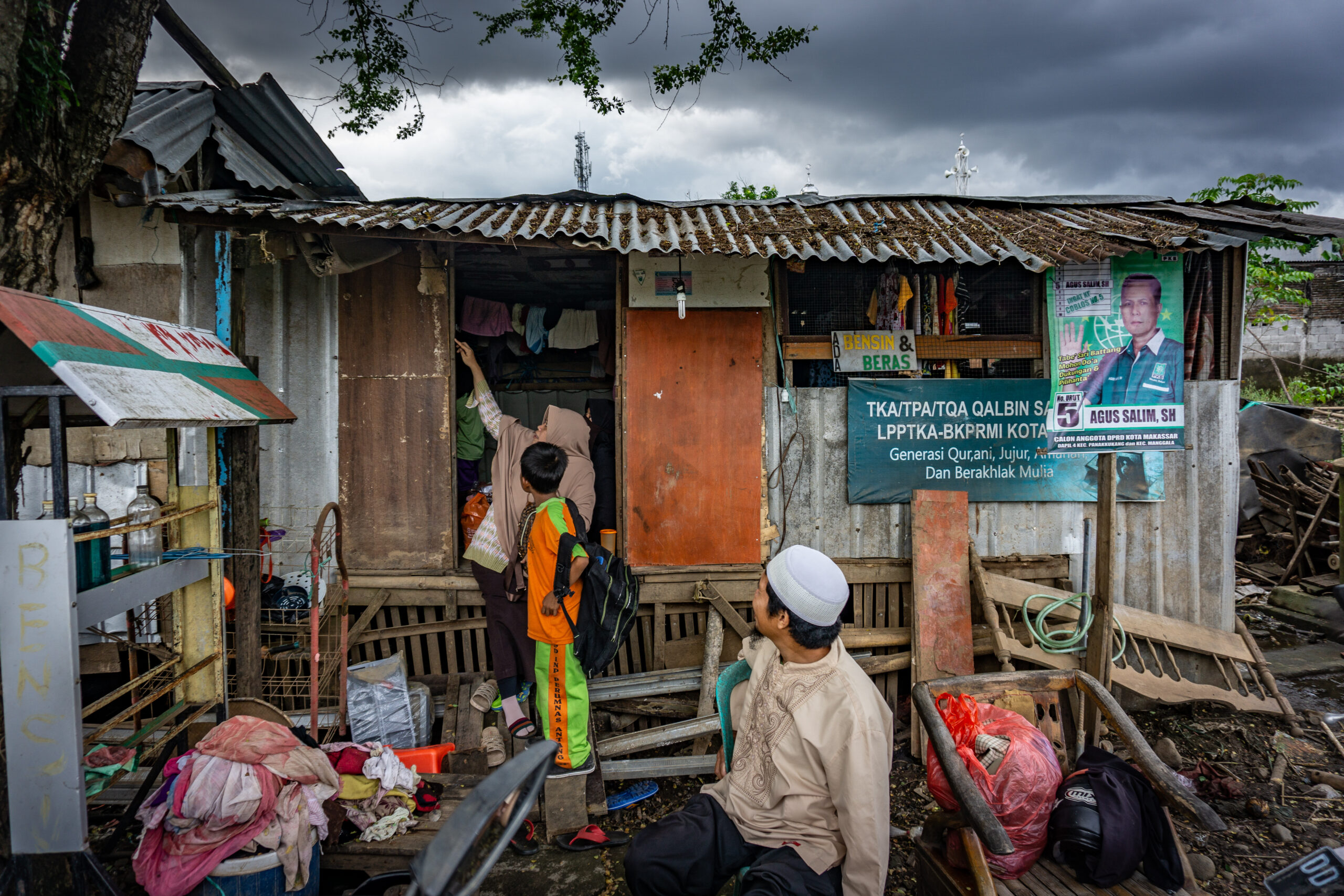
By Ian Morse
MAKASSAR, Indonesia, Feb 8 (Thomson Reuters Foundation) – In the Indonesian city of Makassar, where the rainy season often brings floods, Hasriani didn’t worry when a day-long downpour last month saw water rise to her knees by the time she had picked up her children from school for afternoon prayers.
But within an hour, the water level had climbed above her head, threatening to drown her family inside their home, already built a metre (3 ft) off the ground.
“It wasn’t caused by the rain – it was Bili-Bili!” said Hasriani, 30, referring to a dam completed in 1998 in order to prevent flooding, located 9 miles (14.5 km) away.
In late January, the dam overflowed, unleashing run-off from the mountains that swamped thousands of homes close to the city.
Disaster officials were shocked that one intense bout of rain could cause the dam to fail. But the provincial governor and environmental experts believe it could have been predicted.
Earth shaken loose by years of forest-felling in the mountains above the city had been washed down into the dam’s reservoir, they said, silting it up and displacing water.
The dam burst swallowed up thousands of homes and hectares of rice fields across South Sulawesi province, killing about 80 people and affecting more than 13,000 – the worst disaster in at least 15 years.
On mountain slopes, unanchored soil triggered landslides that ate up houses and damaged bridges. Of the thousands forced from their homes, many had yet to return, said Ikhsan Parawansa, head of the disaster agency in Gowa district, where 56 died.
Residents were unprepared for the failure of the 20-year-old dam and the resulting scale of the flooding.
But the disaster holds lessons as the planet’s climate heats up, and scientists warn of worsening extreme weather.
Speaking to the Thomson Reuters Foundation shortly afterwards, South Sulawesi Governor Nurdin Abdullah rejected the media’s portrayal of the disaster as “natural”.
“That dam was intended to last 100 years,” he said.
A university lecturer in forestry, Abdullah – who took office in September – blamed human activities for exacerbating the effects of heavy rains.
“There is a lot of mining and land conversion that increases silting and fills the rivers with dirt,” he said.