

By Amantha Perera
COLOMBO, May 30 (Thomson Reuters Foundation) – Last Friday, mobile phone users in Sri Lanka’s Western Province received an ominous text message: Waters were rising, particularly along the province’s Kelani River.
The message was one of about 15 that day issued by the country’s Disaster Management Centre as incessant rains pounded large parts of the country’s Western, Southern and Sabaragamuwa provinces.
The warning prompted many people to leave areas along the Kelani’s banks – and it represents a significant change in how the country manages disasters.
Until recently, such early warnings were often issued by fax or other antiquated – and slower – means. But now users of the 25 million registered mobile phones in the country can receive warnings direct.
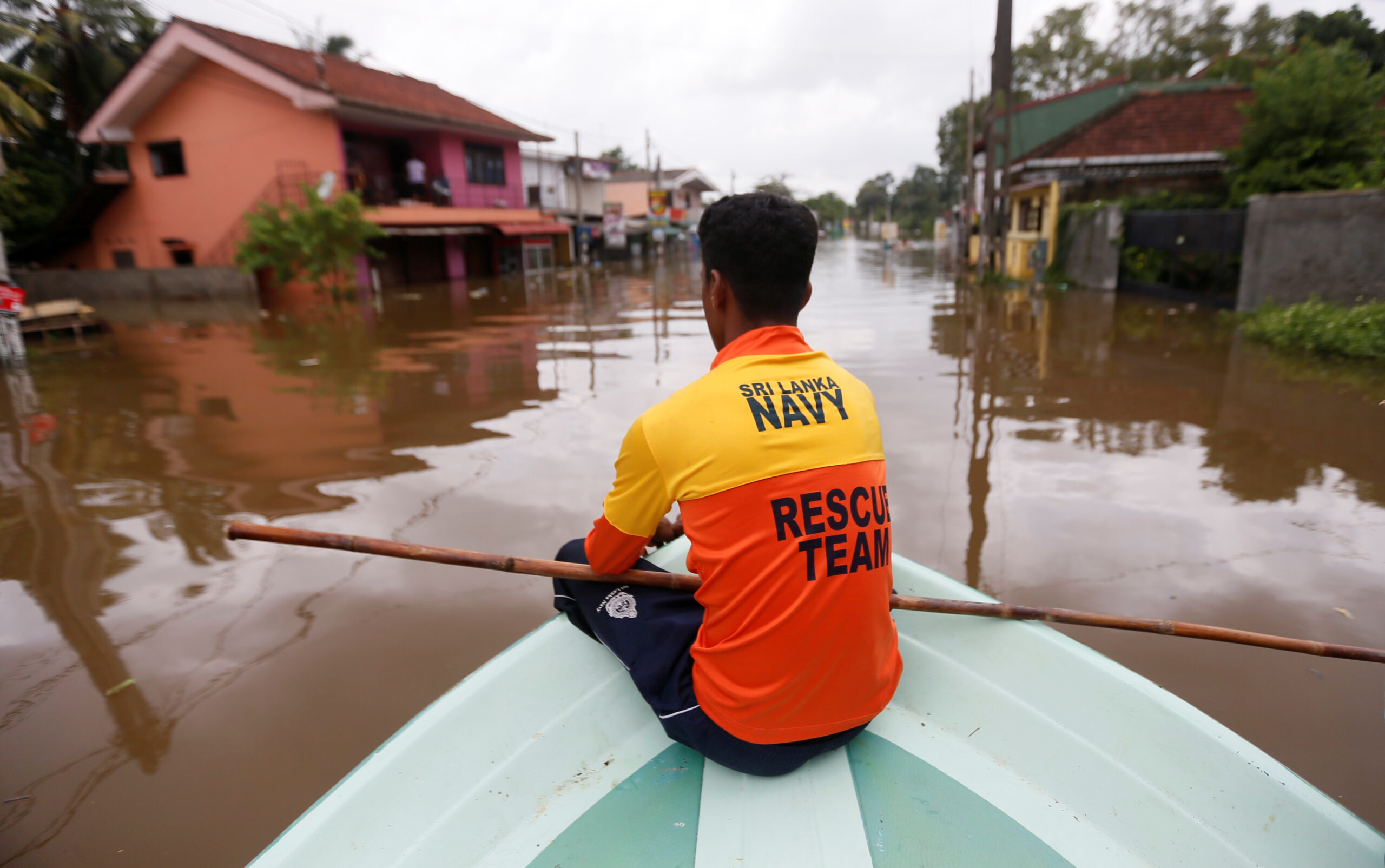
The warning system remains far from perfect, with at least 188 people dead and a half million affected by widespread flooding and landslides over the last week as 550 mm (21 inches) of rain fell across some regions of the country.
But it suggests how Sri Lanka may begin fighting back against worsening rainfall extremes that have now slammed the country three years in a row, producing widespread losses of lives.
“We have been using short text messages extensively during this emergency. When we get warnings that water levels are going up or there is a landslide risk, that has been our main dissemination format,” said Pradeep Kodippilli, the Disaster Management Centre’s deputy director for early warning.