

By Evelyn Lirri
MOROTO, Uganda, July 8 (Thomson Reuters Foundation) – Jackie Lomilo’s father did not believe in educating his daughters past primary school, not when he could marry them off for dowries that might make life easier in Uganda’s Karamoja region – once synonymous with cattle rustling and clan violence.
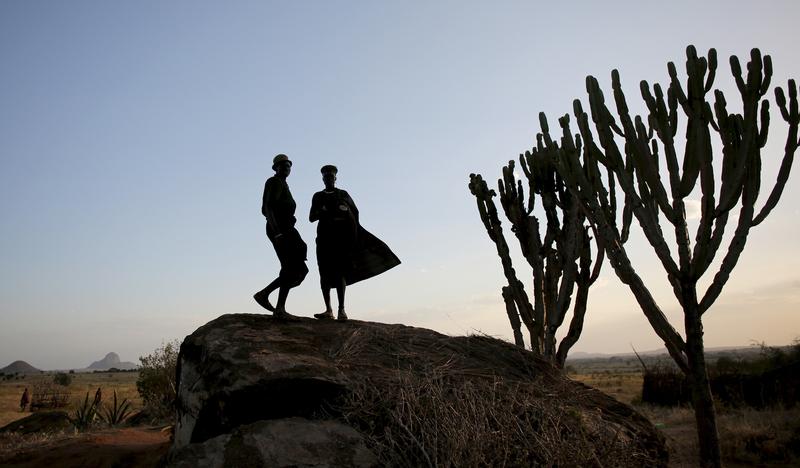
Most girls from the Karamojong ethnic group, whose members are predominantly nomadic livestock farmers and cattle herders, are pressured by their parents to drop out of school and get married once they reach puberty.
“Even if you’re interested in school, you cannot continue when you don’t have money to pay the tuition fees or buy books and uniform,” said 24-year-old Lomilo, wearing a necklace, waistband and earrings made out of coloured beads that are typical of her ethnic group.
Although primary and lower level secondary education is free across Uganda, enrolment and completion rates in the northeastern Karamoja region remain far lower than the rest of the east African country.
Of the more than 23,000 girls aged between six and 12 who were registered with Karamoja’s Moroto district, less than a quarter were in school as of July 2015, according to data from the district’s education office.
And only 13 percent of girls completed primary education.
“The rest were either at home being prepared for marriage, or had already been married off,” said William Isura, Moroto District Education Officer.