

By Megan Rowling
BARCELONA, June 30 (Thomson Reuters Foundation) – The Green Climate Fund aims to have a new executive director at the helm by early next year, and has appointed an interim head to take over when the fund’s first director, Héla Cheikhrouhou, finishes her term in September, the chairs of its board said.
At a meeting in Korea this week, the board of the $10-billion fund – set up under U.N. climate talks to help developing countries tackle climate change – decided that Javier Manzanares, now the fund’s chief financial officer, would run its secretariat during the search for a new director.
The board hopes to make a decision from a shortlist of candidates at its next meeting in mid-October, enabling Cheikhrouhou’s replacement to take the reins from the end of 2016 or early 2017, said board co-chair Ewen McDonald.
At the meeting, which ended on Thursday, the fund’s board also approved its second set of projects to reduce climate-changing emissions and adjust to a warming world. The fund will invest a total of nearly $257 million in the nine projects.
Last November, before the Paris climate summit, it gave the green light to its first eight projects, worth $168 million.
The relatively low sums of money due to be doled out so far have raised doubts about whether the fund can meet an “aspirational goal” to allocate $2.5 billion this year – around a quarter of its available funds.
But the board’s co-chairs remain optimistic.
“We’re not walking away from that aspiration in any way,” McDonald said from the Songdo district of Incheon, where the fund is based. “I am very confident that you will see some much bigger, different proposals approved in the last two board meetings of the year.”
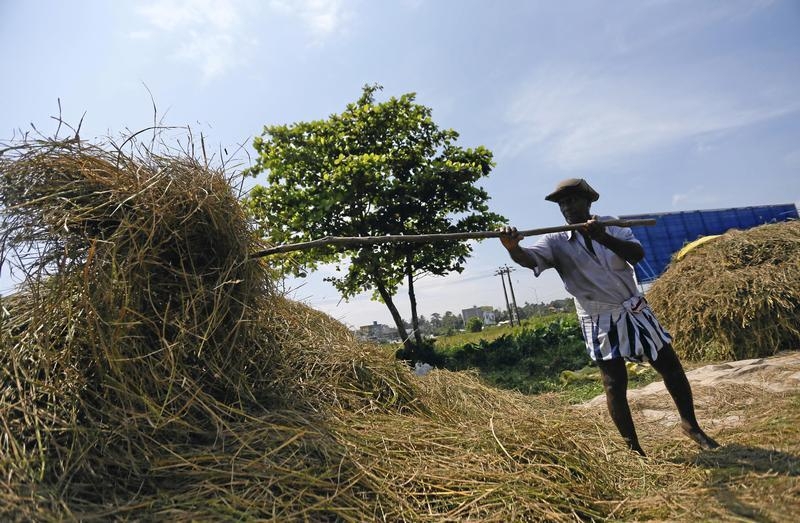
The newly approved projects include insurance to guarantee energy savings for small businesses investing in energy efficiency in El Salvador, measures to enable eco-systems to adapt to climate shifts in Gambia, efforts to make coastal communities more resilient in Vietnam, and help for small-scale farmers in Sri Lanka to protect themselves from extreme weather.
There was criticism of some other projects by board members and civil society watchers, who argued a plan to develop solar energy in Chile and another to support World Bank climate action in Tajikistan and Uzbekistan were too much “business as usual”.