

By Thin Lei Win
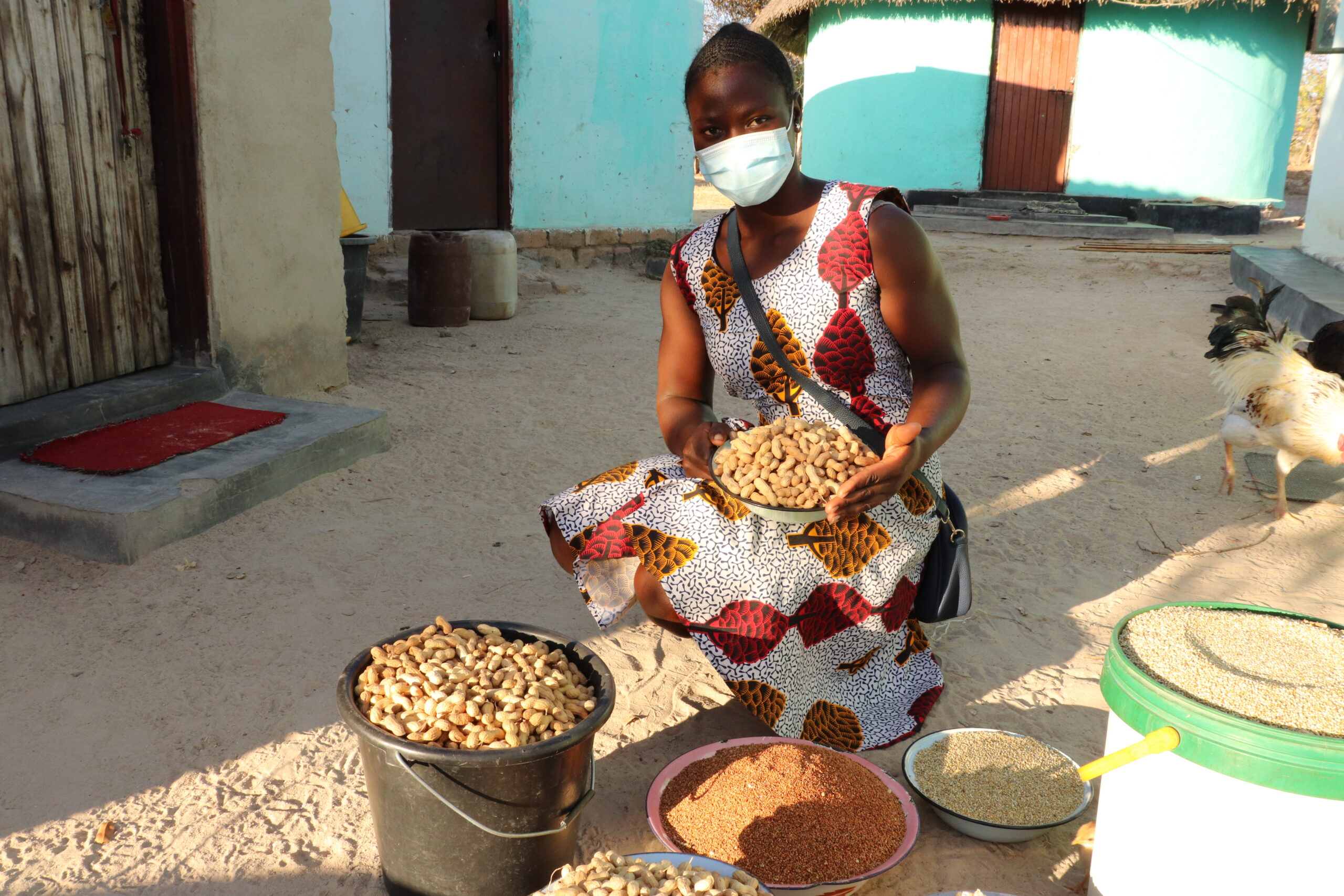
ROME, Nov 27 (Thomson Reuters Foundation) – Young African farmers Mavis Gofa and Andrew Goodman had a vastly different upbringing – Gofa grew up on a one-hectare (2.5-acre) farm and could not afford to finish high school, while Goodman’s family cultivated 275 hectares and educated him in Britain.
But they share the same big dream.
Both want a better life for the families who run the world’s half a billion small farms, many of whom remain steeped in poverty despite producing about 80% of food consumed in Asia and sub-Saharan Africa, according to the United Nations.
It is a tough ask as climate change makes life even harder for millions of small-scale farmers – with scientists predicting more frequent and intense floods, droughts and storms.
In Mutoko in northeastern Zimbabwe, Gofa, 25, is seeing yields from her rain-fed maize dwindle, as the start of the planting season is delayed from mid-October to late December.
In 2016, her farm produced about 700 kg (1,543 lb) of maize, but this year, she only got 500 kg, she told the Thomson Reuters Foundation.
Goodman, 24, is also struggling at his family farm outside Malawi’s capital Lilongwe, which grows seeds for crops such as maize, soy bean and groundnut, and works closely with about 5,000 small farmers every season.
The beginning of the rainy season has shifted from October to mid-November, older farmers told Goodman.
When showers do come, they often turn heavy, destroying crops and eroding the soil’s fertile layer. This forces farmers to buy more inputs such as fertilisers to keep yields up but the higher costs then push them back into poverty, he added.