


By Andrew Mambondiyani
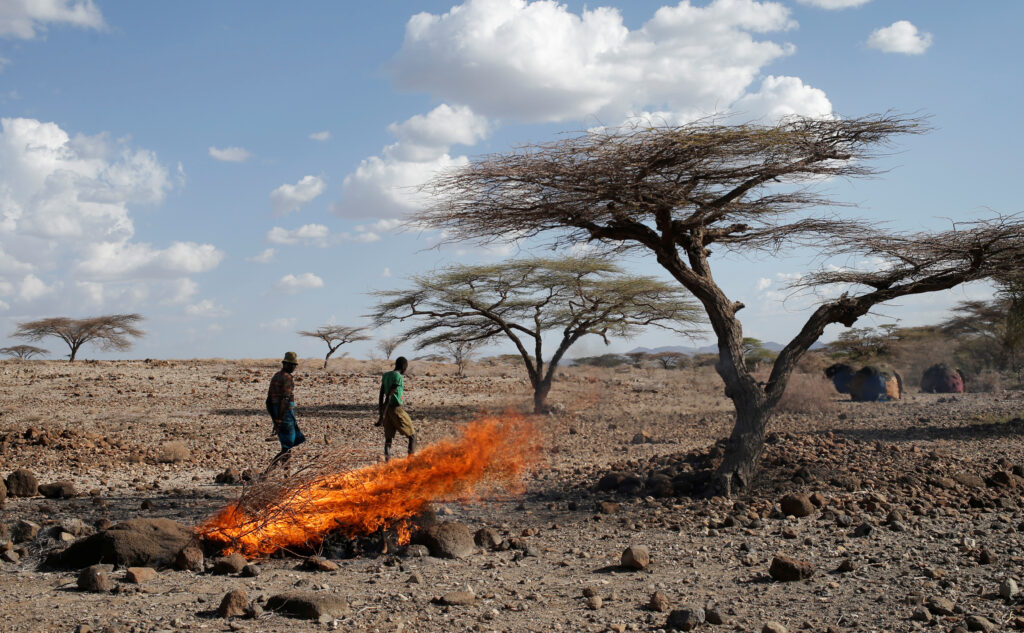
ZIMUNYA, Zimbabwe, Dec 21 (Thomson Reuters Foundation) – Under worryingly clear skies, men gathered amid sparse, drought-shrivelled trees at the edge of this remote village in eastern Zimbabwe to sing, whistle and ululate. They were calling the rain.
“We must go back to our traditions for solutions to these droughts,” said 80-year-old Nekias Mukwindidza.
His grandfather Tenzi (Lord) Chitowo was a revered rainmaker in the area as far back as the 1940s, and Mukwindidza is confident that reviving the abandoned custom could help relieve Zimbabwe’s worsening droughts.
“I know what I am talking about because I grew up taking part in these ceremonies,” he said. “And they could bring rainfall, back in the days.”
But as rainmaking makes a comeback in parts of parched Zimbabwe, scientists warn that such traditions may prove a distraction from more effective ways to deal with drought.
Those include switching from the country’s thirsty staple, maize, to more drought-hardy crops like millet and sorghum, capturing and storing more rainwater, and changing farming practices to preserve moisture in the soil.
“We need to educate and train these village elders on the importance of… climate change adaptation measures like conservation agriculture and water harvesting,” said Lawrence Nyagwande, who heads Environment Africa, a non-governmental organisation in Manicaland Province.
Renewed attention on rainmaking ceremonies as the way to solve the growing problem is deterring some farmers from making those changes to how they work, he said.
WORSENING HEAT
Even the backers of the rainmaking revival say the weather is nothing like they have seen before, with punishingly hot temperatures over much of the last decade and far more erratic rainfall. Mukwindidza said he believed the heat was a punishment from the gods for discarding traditional beliefs.
“For over a decade we had not been doing these ceremonies. As such our gods are angry with us,” he said.
The villagers had abandoned the ceremonies amid squabbles over who should lead them, he added. But facing a devastating lack of water, they have now set aside their differences, and a young community member is conducting the ceremonies.
Experts have linked Zimbabwe’s successive droughts, which have left millions in need of food aid, to climate change – but many village elders and traditional leaders are not yet convinced.