

By Roshan Din Shad
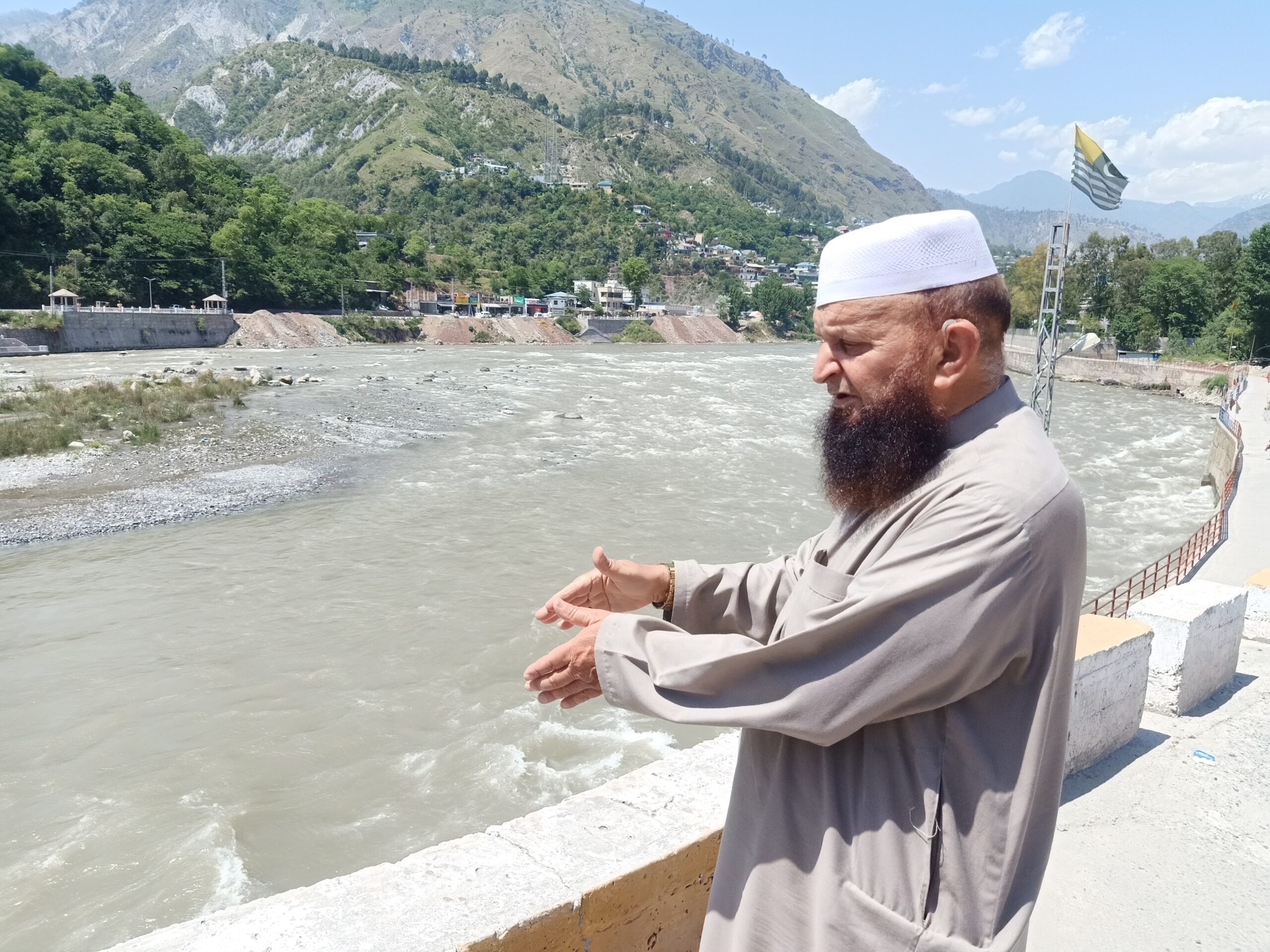
MUZAFFARABAD, Pakistan, July 16 (Thomson Reuters Foundation) – On hot summer evenings, Khawaja Magbool Hadieri’s family used to sit on their home’s balcony and relish the cool breeze wafting off the nearby Neelum river.
But these days, after 80% of the river’s flow was diverted for hydropower, “we’re sweating while sitting there, even using an electric fan,” Hadieri, 70, a resident of the Azad Jammu and Kashmir capital, told the Thomson Reuters Foundation.
As Pakistan seeks new sources of green energy, officials are diverting rivers through tunnels to harness clean hydropower.
But the diversions are also causing a range of problems, from hotter urban temperatures to water shortages and sewage buildups in riverbeds once rushing with water.
In Muzaffarabad, the diversion of the Neelum’s waters in 2018, to generate almost a gigawatt of power, has driven protests from residents. Even environmental officials acknowledge that since the change the city of more than 190,000 is hotter during the summer
Now officials are also planning to divert the second river running through the city – the Jhelum – for another hydropower project, leading to protests and warnings about the project’s environmental implications for the state capital.
“Water flowing in the rivers should not go waste and should be tapped for the wellbeing of people – but river diversions should be avoided,” urged Raja Abbas Khan, the former head of the Azad Jammu and Kashmir Environmental Protection Agency (EPA).