

By Nellie Peyton
SAINT-LOUIS, Senegal, April 3 (Thomson Reuters Foundation) – ” Mum, mum, get up – the water’s here!”
Fatou Ndiaye’s children shook her awake in the night, as waves crashed against their house on the coast of Saint-Louis, a city in northern Senegal.
They were used to sleeping with the sound of the ocean a few feet away – but this time Ndiaye stretched out her hand and felt water rising inside the room. They fled.
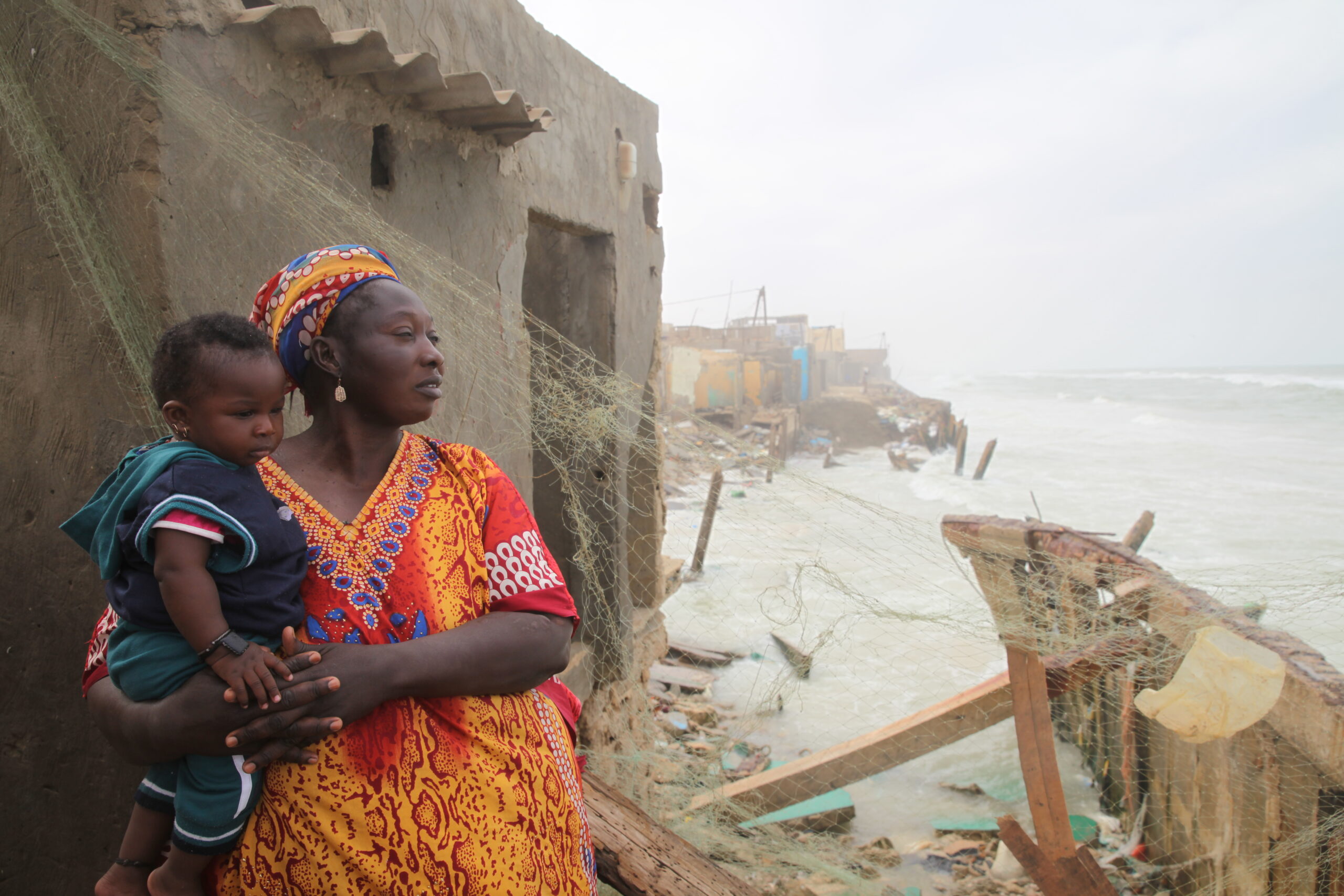
Two weeks later, she told the story standing by a pile of rubble where her childhood home used to be.
The disaster surprised no one in this crowded fishing neighbourhood. Since 2016, two or three times a year, the ocean has swelled and knocked another row of houses off the coast.
Saint-Louis, a city that spans a thin peninsula between the Senegal River and the Atlantic Ocean, is particularly vulnerable to the rising sea levels and urban crowding that are putting pressure on West Africa’s coast.
With damage now unavoidable, Senegal’s government and the World Bank are mobilising to resettle nearly 10,000 people from the city’s riskiest zone.
The effort reveals the challenges other countries will also face as their shorelines retreat due to a combination of higher seas linked to global warming and coastal erosion driven by natural processes and manmade factors, such as poorly planned infrastructure and sand mining.
In Saint-Louis’ dirt streets, crisscrossed with laundry lines and filled with sheep, residents described their predicament.