

By Jackline Nzula
ARUSHA, Tanzania, July 19 (Thomson Reuters Foundation) – Mkarima Tarimo, managing director of Tarimo Industries, a Tanzanian company producing ice cream, yoghurt and fruit juice for export to Europe, is a happy man.
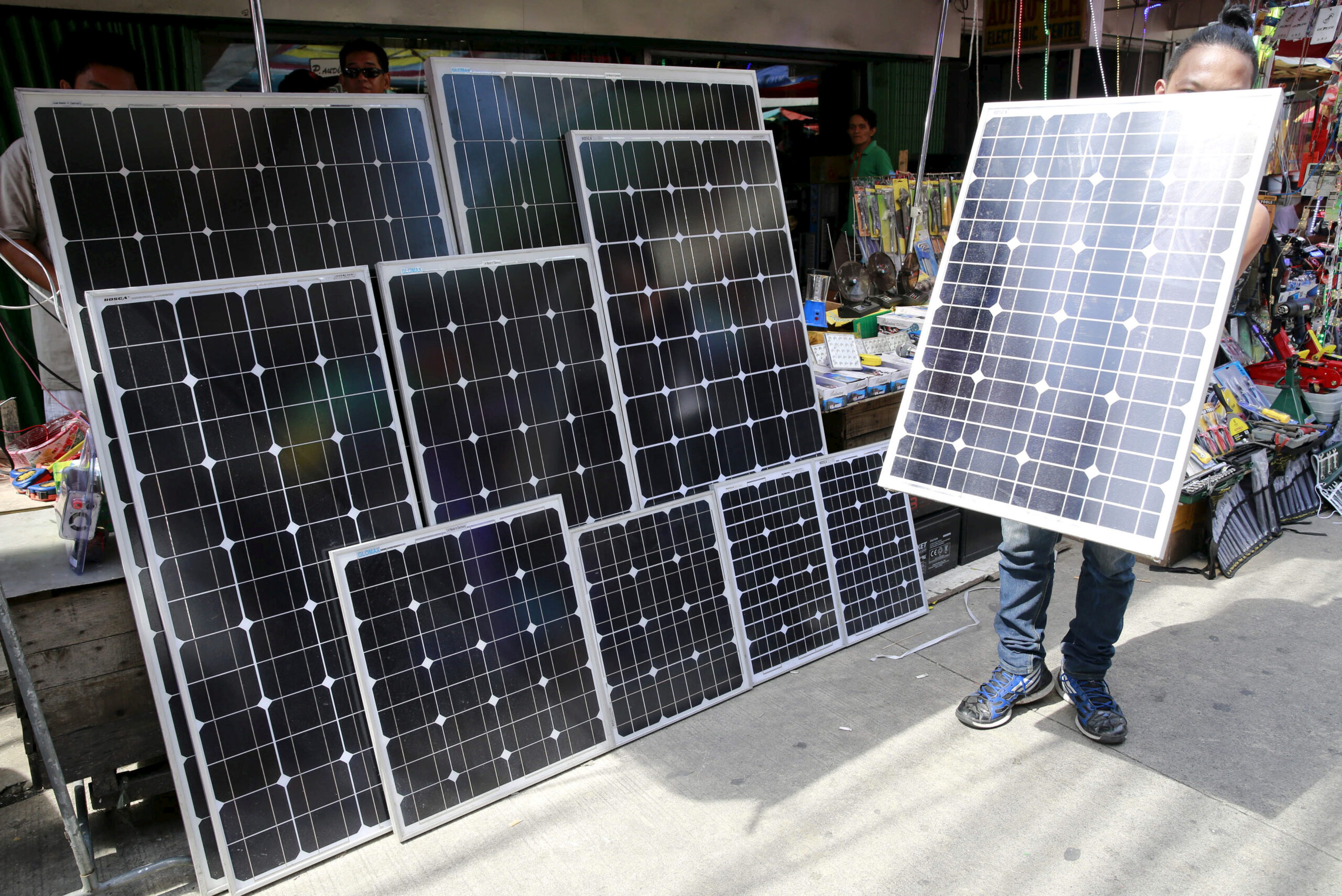
Since January, the firm, based in the northern town of Arusha, has relied purely on solar power to drive its machines.
The result is a healthier profit margin due to savings on electricity bills, and an unbroken source of power in a country where frequent blackouts are a menace to manufacturing, schools, hospitals and homes.
“Solar is very reliable, considering consistent power blackouts,” Tarimo told the Thomson Reuters Foundation in his factory where solar panels line the roof.
“It has reduced electricity costs by a considerable amount. We are making more profits from returns as we have an alternative to conventional electricity.”
For example, last month’s electricity bill was about $1,000, almost a third of what it was in the previous month when Tarimo still relied partly on the national grid for power, he said.
“We also use solar in water heating and boiling during the food processing stages. Everything is solar here, including the refrigeration of our final food products. So use of solar is endless”, Tarimo said.
Through tax cuts and other support, Tanzania is trying to drive businesses – not just households – to take up solar power, with the aim of both improving energy access and cutting climate-changing emissions.
Only around a quarter of Tanzanians have access to electricity, a problem the government is seeking to address through a push to exploit solar energy.
It aims to increase the East African country’s overall electricity connectivity to 50 percent by 2025 and to at least 75 percent by 2033, according to the World Bank.