

By Avi Asher-Schapiro
SANTA CRUZ, May 5 (Thomson Reuters Foundation) – Facebook Inc’s oversight board on Wednesday upheld the company’s suspension of former U.S. President Donald Trump, saying his posts on the platform had “created an environment where a serious risk of violence was possible”.
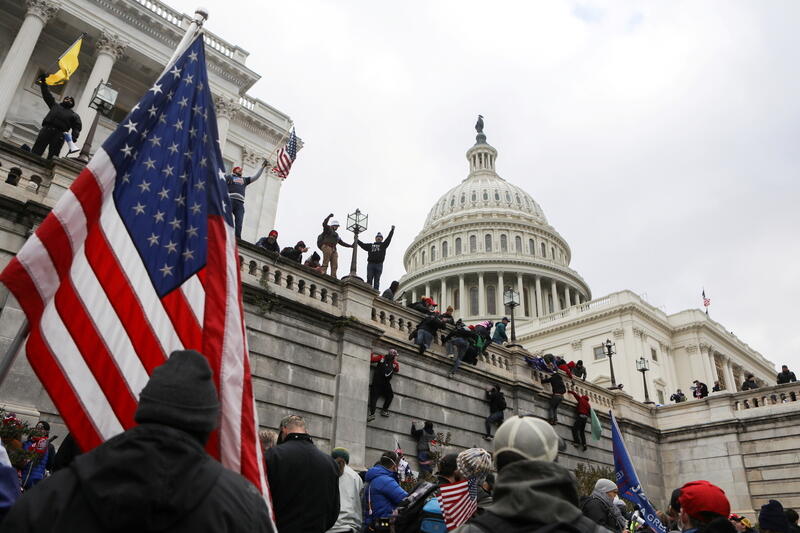
Facebook – and social media platforms like Twitter – blocked Trump over concerns of further violent unrest following the Jan. 6 storming of the U.S. Capitol by Trump supporters.
But the board, which Facebook created as an independent body to review its treatment of problematic material, said the social media giant “did not follow a clear, published procedure”, when it extended Trump’s suspension indefinitely.
“In applying a vague, standardless penalty and then referring this case to the Board to resolve, Facebook seeks to avoid its responsibilities,” the board said in a statement on Wednesday.
Tech platforms have grappled in recent years with how to police world leaders and politicians that violate their guidelines.
Here are some key facts about content-moderation rules in light of todays’s decision:
When can social media platforms suspend your account?
From Twitter, to Facebook and YouTube, all major social media platforms have terms of service, or community standards, which set out the rules for their users.
While law enforcement agencies can also ask platforms to remove posts that may break the law, in the United States, the companies exercise discretion over what legal content can be posted.
Individual posts that fall foul of the companies’ guidelines can be removed, and accounts that repeatedly violate them can be locked, restricted or even removed completely.
Facebook, for instance, has a system of “strikes” where pages and accounts that violate rules consistently can be removed as repeat offenders.
Many platforms have specific rules for public figures, and for posting about elections or civil events.
Before the Nov. 3 U.S. election, Facebook announced a new set of rules for posts concerning the ballot, including a policy of removing posts that spread misinformation about the voting process.
Last year, Twitter unveiled specific rules for the accounts of world leaders, saying it was in the public interest to allow leaders a wider latitude to post.