

By Kim Harrisberg
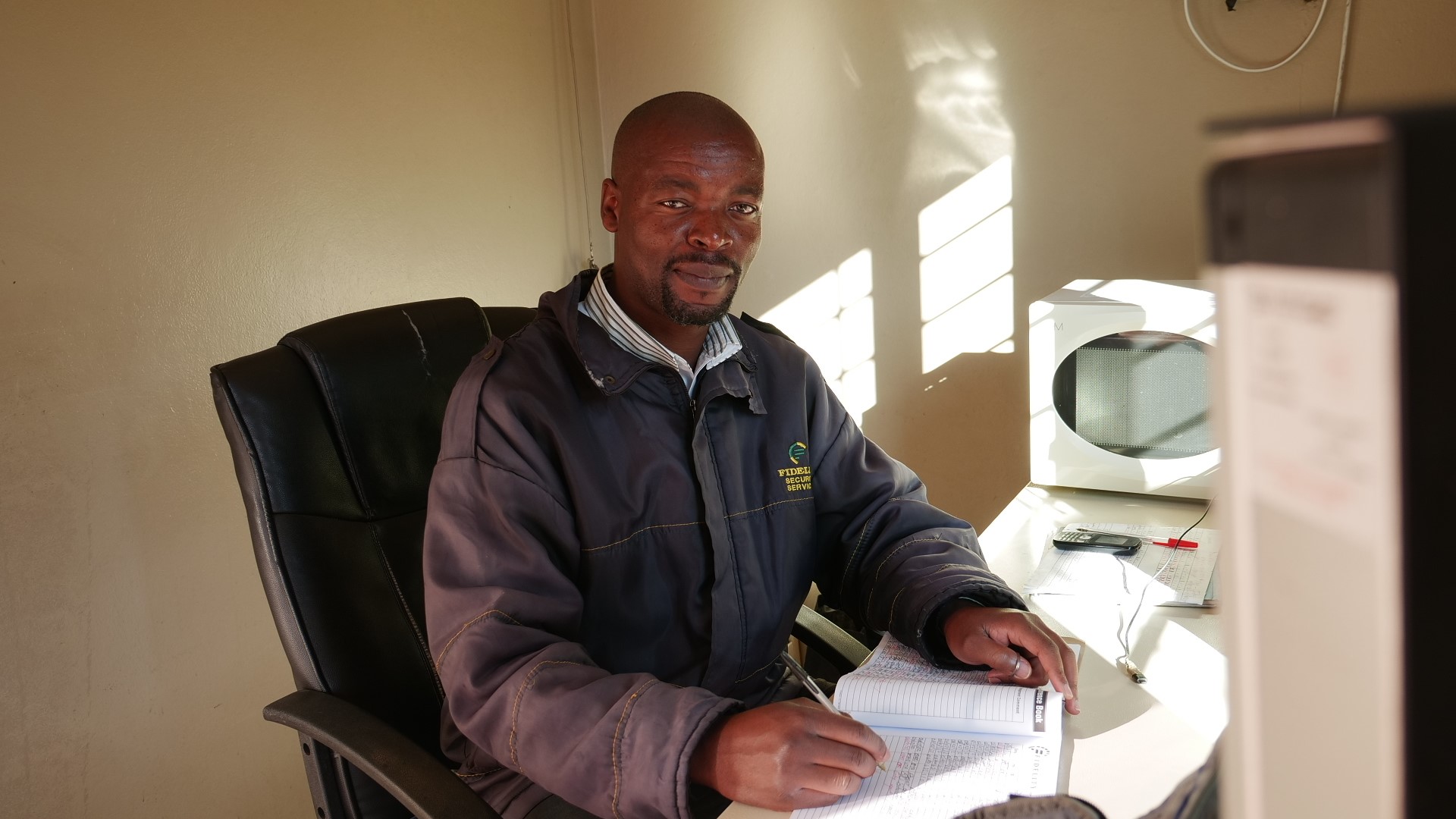
JOHANNESBURG, July 18 (Thomson Reuters Foundation) – South African security guard Obed Mukwebo runs to work every morning because it is good for both his health and his rapidly shrinking budget, as fuel and food prices continue to spike in one of Africa’s most developed economies.
Like Mukwebo, millions of South Africans are anxiously counting their rands each month and making difficult decisions about what can be cut in an attempt to pay for rent, food, transport and school fees.
“Life is becoming really difficult,” said Mukwebo, 42, as he monitored who enters and exits the gated residential complex in northern Johannesburg where he works.
“I am running more often to save on petrol and trying to share groceries with my housemates. We keep a look out for deals and sales on things like vegetable oil or meat that we can split,” he said.
Living costs including groceries, transport and fuel are all rising sharply, largely fuelled by rising global energy and food costs triggered by the Ukraine war.
The cost of an average household food basket rose by more than 13% in the year to June, according to research by civil society initiative The Pietermaritzburg Economic Justice and Dignity Group (PMBEJD).
On top of this, South Africa is experiencing rolling electricity blackouts, adding to pressures on businesses and online entrepreneurs.
When Mukwebo is not at work, he and his six housemates often have to sit in darkness at their home in inner-city Johannesburg. He said the conversation often turns to money and what else they can do to cut costs.
“I won’t be able to visit home as often,” said Mukwebo, whose family live in the Limpopo province about 500 km (310 miles) northeast of Johannesburg.