

By Fabio Teixeira
HUMAITA, Brazil, Sept 10 (Thomson Reuters Foundation) – Farmers living along the Trans-Amazonian Highway, near Humaita, a rural town deep in the Amazon, would rather not use fire to clear forest land so they can grow crops and raise cattle, their local representatives say.
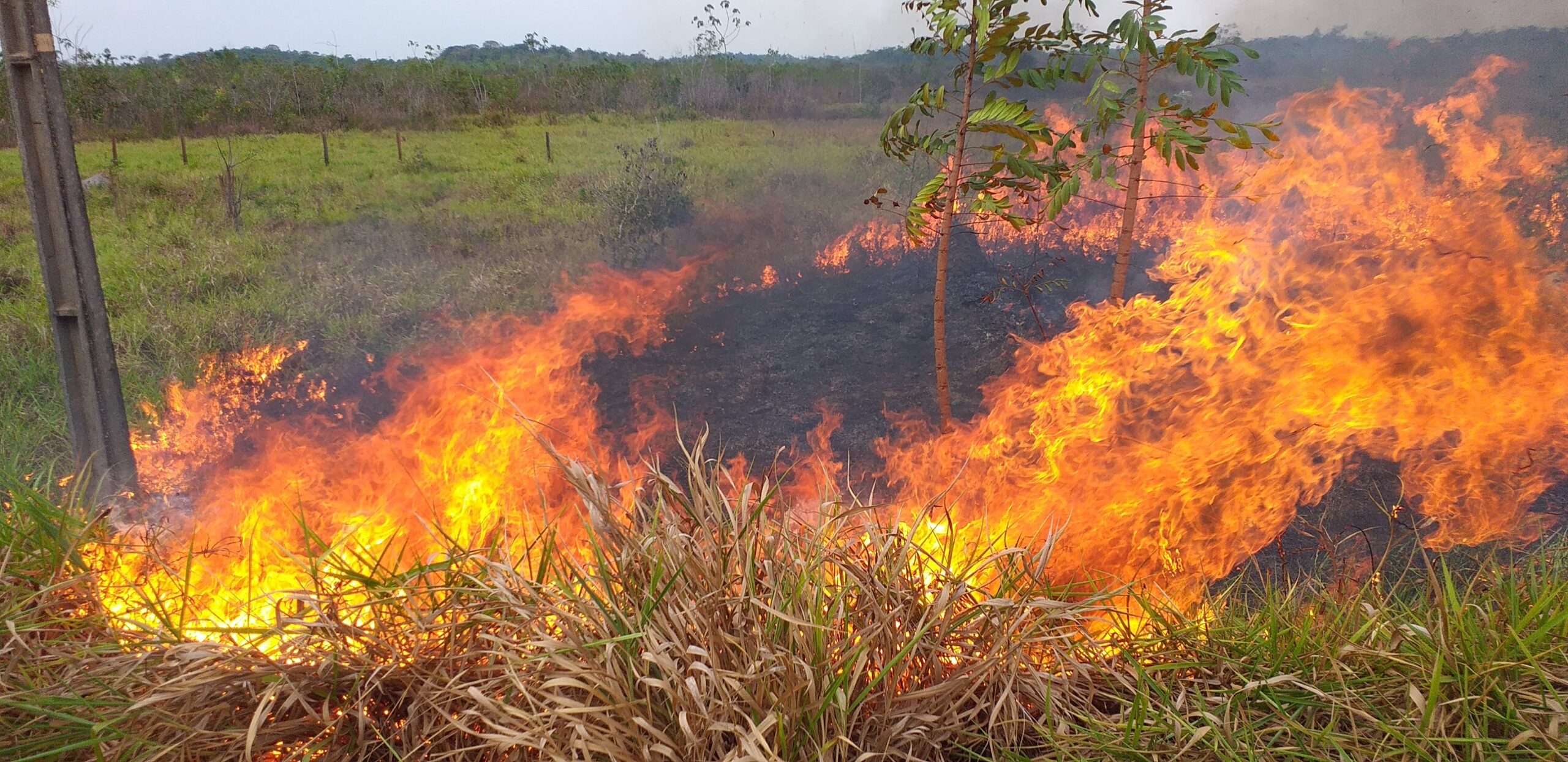
But without the heavy equipment they would need to remove vegetation, the mainly poor farmers have little choice other than burning it, in order to feed their families – one reason this year’s fires have been so numerous, local officials say.
“The number of fires has increased,” Humaita councilman Antonio Carlos Almeida told the Thomson Reuters Foundation. But people living near the town “need to farm to survive”, so have few options, he said.
It is a commonly held view in this town of 55,000 in Brazil’s northwestern Amazonas state – one of the areas most affected by rainforest fires and smoke this year.
Last month, Brazil’s space research agency, INPE, revealed the number of fires in the Amazon this year was the highest since 2010. And deforestation rose for the fourth straight month in August from a year earlier, it said on Friday.
Humaita is among the top 20 municipalities in the country with the most hectares deforested from January to August, according to INPE data.
The Amazon – the world’s largest tropical rainforest – absorbs planet-warming carbon dioxide, supports rainfall in South America and is considered crucial to curbing climate change globally.
An international backlash against the surge of fires this year eventually led Brazil’s conservative president, Jair Bolsonaro, to order the military to work on dousing the flames.
But fire has long been a key tool for agricultural expansion in the Amazon, with farmers burning forest or logged land to clear it for crop production or cattle grazing.
Seven councilmen from Humaita who spoke to a Thomson Reuters Foundation reporter said they saw continuing poverty in the region as the main driver of fires consuming the Amazon.
This year’s particularly large blazes illustrate the ongoing lack of government support for development in towns like Humaita, they said.