

- Fuel, medicine run short in deep economic crisis
- Many turn to online platforms for mutual aid
- Poor and vulnerable left out in digital divide
By Dimuthu Attanayake
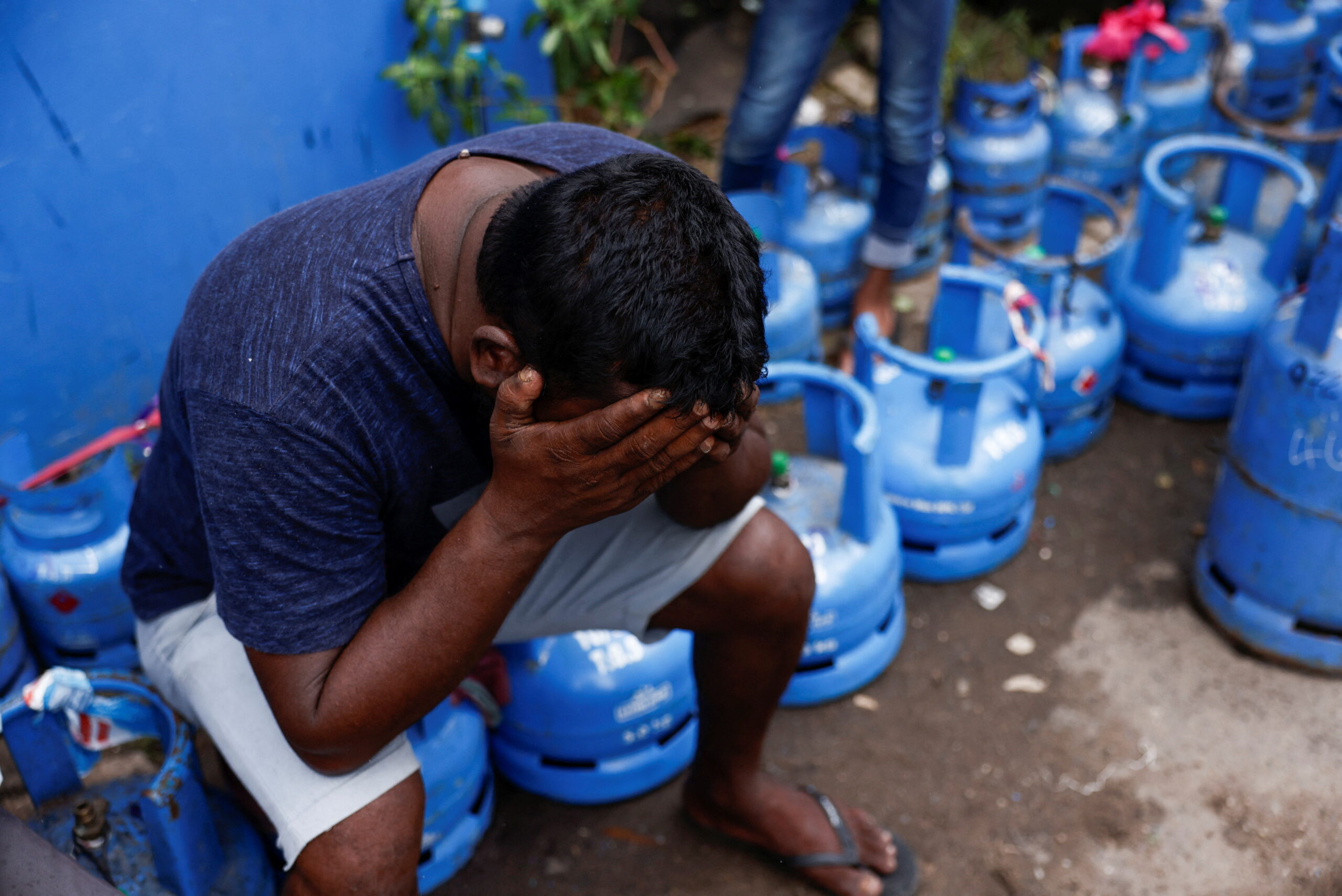
COLOMBO, June 1 (Thomson Reuters Foundation) – No petrol means no work for Sri Lankan delivery rider Michael Sathis, and getting supplies has become a challenge as fuel stations run dry amid a devastating economic crisis.
Sathis sometimes had to queue all night to fill his tank until he found a Facebook group sharing regular updates on fuel supplies and even queue lengths at gas stations, one of a number of digital initiatives springing up to help struggling citizens.
“Finding fuel in this crisis is like looking for a lost needle … it’s almost impossible,” said Sathis, 29, who lives just outside the commercial capital Colombo.
“But this group is like a magnet – I can find fuel without wasting much time.”
Sri Lanka is in the throes of its worst economic crisis since independence in 1948, battered by a combination of factors including the impact of COVID-19 on its tourism-dependent economy, rising oil prices, and populist tax cuts.
A chronic lack of foreign currency has led to rampant inflation, and shortages of imports including fuel, medicine and other essentials.
In response, Sri Lankans are increasingly turning to social media platforms including Facebook, WhatsApp, Instagram and Twitter to find basic goods and help raise money for the needy.
“What we are seeing is innovative ways of using these platforms to meet their direct and specific needs like fuel and other essentials,” said Craig Ryder, a digital anthropologist at SOAS, University of London.
But the digital divide is a “very real issue” creating uneven access to online spaces, added Ryder, who is researching the relationship between social media and society in Sri Lanka.
“Discrepancies persist … between cities and rural areas, northern and southern Sri Lanka, men and women, rich and poor, young and old,” he said.