

By Anastasia Moloney
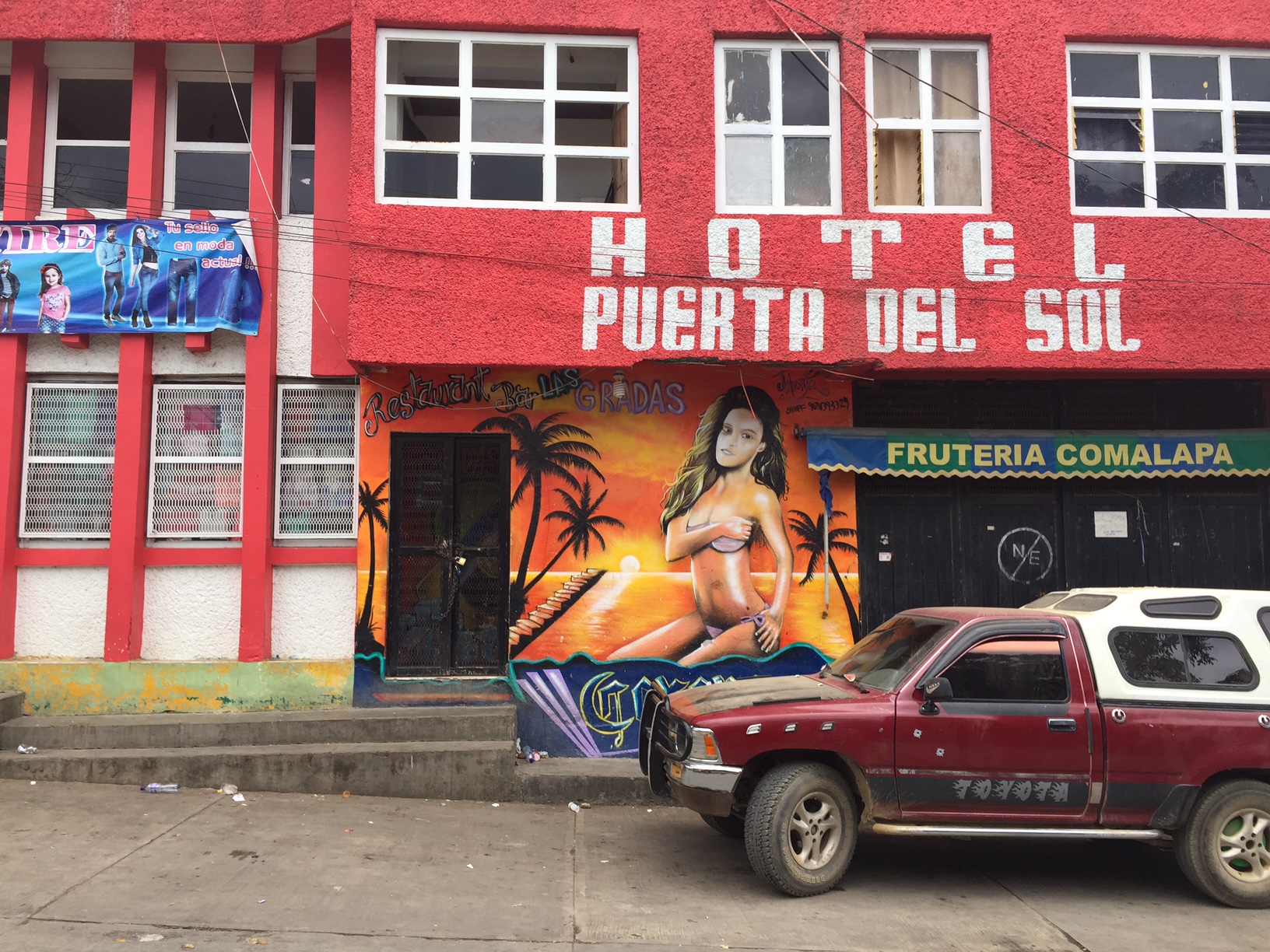
TAPACHULA, Mexico, Jan 11 (Thomson Reuters Foundation) – From morning to night, Mexican banda music blares out from the dingy bars in Mexico’s southern border city of Tapachula where thousands of Central American women sell sex to fund their dream of reaching the United States.
Rights groups estimate 30,000 migrants, mostly from Honduras, El Salvador and Guatemala, are working in bars in shopping streets and red light districts in the bustling city near the Guatemala border that has become a trafficking hotspot.
This includes increasing numbers of women and children fleeing Central America due to the deteriorating situation, said Francesca Fontanini, spokeswoman for U.N. refugee agency UNHCR.
UNHCR figures show the number of Central American migrants seeking asylum abroad surged five-fold in the four years to 2015 to around 110,000.
The number of families, mostly from Central America, stopped at the U.S.-Mexico border jumped 122 percent in the six months to April 2016 compared to a year earlier as authorities cracked down on security, the U.S. Customs and Border Protection said.
“The majority [of Central American women] come with the hope of crossing the border, looking for the American dream,” said Adriana Rebollo, who heads the prosecutor’s human trafficking office in Chiapas state where Tapachula is located.
But while chasing their dreams, migrants make easy prey for traffickers on their journey north. Often poor and with little education, they are lured with false promises of good jobs in restaurants and hotels.
“Migrants are ideal victims for trafficking and prostitution because at one stage they have needs, a need to survive, a need to earn money,” said Elsa Simon, a women’s rights activist.
“A female migrant is the most vulnerable. She has no support networks. She doesn’t know her rights.”