

By Anastasia Moloney
TAPACHULA, Mexico, Jan 12 (Thomson Reuters Foundation) – As Juan walked to school one morning a year ago in El Salvador, two men on a motorbike sped by and fatally shot a boy on the street in front of him.
The shooter took a good look at Juan’s face. As a witness to a gang murder, Juan was now in the firing line.
“They said I had to be part of their gang,” said Juan, 15, who declined to give his real name for security reasons.
Juan’s mother, Teresa, took him out of school and he went into hiding for six months, living with relatives.
But then came the death threats from gang members by phone, and Teresa felt she had no choice but to flee in October.
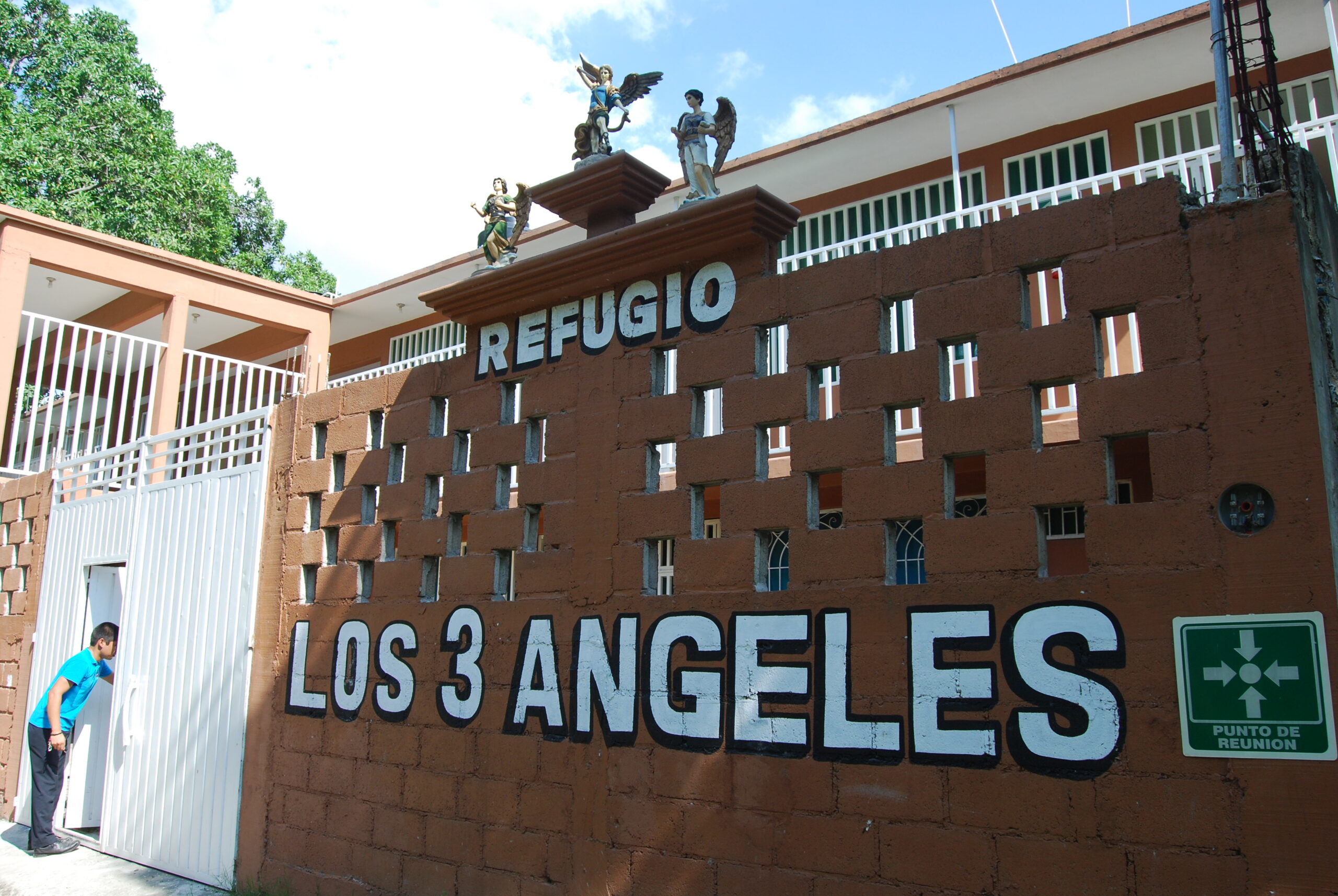
“We had to leave,” Teresa said, sitting on a bench with her sons at the Three Angels shelter for asylum seeking families in the Mexican city of Tapachula near the Guatemalan border.
“We left home as if we were just going for a walk not to raise any suspicion,” she said, lamenting the loss of her job at a garment factory and a house she owned.
Entire city neighbourhoods in El Salvador, Honduras and Guatemala, are controlled by two powerful gangs – Barrio 18 and its rival Mara Salvatrucha.
To maintain control, gang members extort money at gunpoint, rape women and girls, murder, and force children to join their ranks, said the U.N. refugee agency UNHCR.
Rising gang violence in these three countries has made them among the world’s deadliest countries outside a war zone in terms of murder rates, the UNHCR says, and this is driving hundreds of thousands of people from their homes every year.
“It’s a refugee crisis. The situation in El Salvador, Honduras and Guatemala is critical,” Paola Bolognesi, head of UNHCR’s field office in Tapachula, told the Thomson Reuters Foundation.
“People don’t have an option but to flee criminal gangs who exert very strong pressure on communities. We are seeing entire families of up to 20 people fleeing to save their lives.”