

By Thin Lei Win
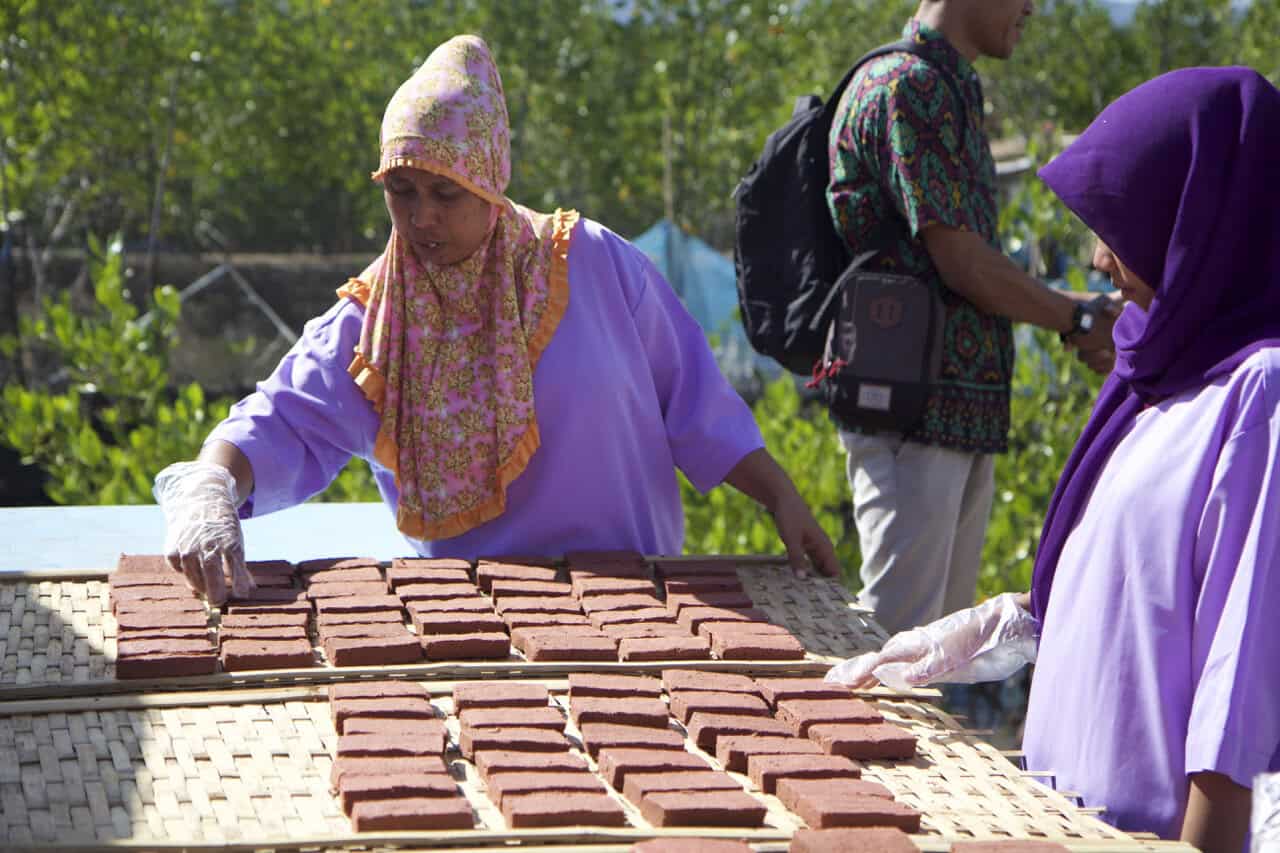
LOMBOK, Indonesia, May 31 (Thomson Reuters Foundation) – Just over three years ago, Herniati had never heard of tortilla chips, let alone tasted them. Now she loves them – making the crispy snacks has turned her from a housewife reliant on her husband’s unstable income into the main breadwinner.
The family of four used to live on less than $8 a day, mostly from selling fish her husband caught. Herniati, who goes by one name, said their income had quadrupled since she began working, thanks to a project to improve local livelihoods.
“My income is now higher than my husband’s. He’s happy and proud of me,” said the 35-year-old, giggling. “With the money, I first pay school fees for my children. Then we buy electronic devices.”
Lombok, a beautiful, rugged island in eastern Indonesia, has long been overshadowed by its neighbour Bali. Located in West Nusa Tenggara, one of Indonesia’s poorest provinces, Lombok is less developed, arid and prone to drought.
A sudden boom in its tourism industry has raised hopes poverty can be reduced, but some locals instead fear a jump in inequality.
Coastal villages are particularly vulnerable, experts say, because they have limited access to markets, the natural resources they rely on become degraded over time, and they depend on a single source of income, usually fishing.
Climate change impacts such as sea-level rise and more intense droughts and storms, combined with coastal erosion, could exacerbate these problems.
In Herniati’s fishing village of Lembar Selatan in West Lombok, under an hour’s drive from some of the island’s most popular beaches, many families live below the national poverty line of around $27 per month.
But the villagers say their prospects have improved thanks to the Coastal Community Development Project (CCDP), run by the International Fund for Agricultural Development (IFAD) and Indonesia’s Ministry of Marine Affairs and Fisheries.
Funded by the Spanish, U.S. and Indonesian governments, it covers nine provinces in eastern Indonesia, a region that has historically suffered from low levels of development.
The CCDP supports rehabilitation of natural resources such as reefs and mangroves, provides fishing equipment to men, and trains fishermen’s wives to become entrepreneurs, linking them with companies to sell their products. The villagers contribute manpower and re-invest profits into their communities.