

By Chris Arsenault and Karla Mendes
BOCA DO ACRE, Brazil, July 4 (Thomson Reuters Foundation) – A t the FrigoAmazonas slaughter house inside the world’s largest rainforest, the owner doesn’t mince his words – much of the cattle processed here comes from illegally deforested land.
“It’s impossible to buy cows from land that isn’t deforested,” Felipe Oliveira told the Thomson Reuters Foundation in his tatty office at the abattoir in Brazil’s Amazonas State.
“Everyone here deforests… if they don’t, it’s impossible for a family to live,” the slaughterhouse boss said, sitting beneath exposed electrical wires hanging from the ceiling.
If the Amazon forest, described as the lungs of the planet for its role sucking climate-changing carbon dioxide out of the atmosphere, is to be saved, then addressing the impact of livestock is the most pressing priority, environmentalists say.
DEFORESTATION RISES
The clearance of land for cattle pasture is responsible for 80 percent of the forest destruction in the Amazon, according to data from Yale University.
The rate of deforestation in the Amazon increased by 29 percent last year, according to government figures.
Larger ranchers, truckers and traders have set up elaborate schemes to “launder” cattle raised on illegally deforested land on the legitimate market, said analysts and officials.
Brazilian authorities also link illegal deforestation to other crimes in the Amazon, such as forced labour on farms or “grilagem” – land grabs – by ranchers who fraudulently register properties occupied by small farmers to produce cattle.
Powerful rural businessmen often bribe government officials or land registry agents known as “cartorios” to obtain property title deeds, according to Brazilian prosecutors. These illegally registered plots are often hotbeds of deforestation.
As the world’s largest exporter of beef and chicken, the importance of Brazil’s struggle to contain illegal deforestation for livestock extends far beyond rural Amazonian settlements.
BOVINE BATTLES
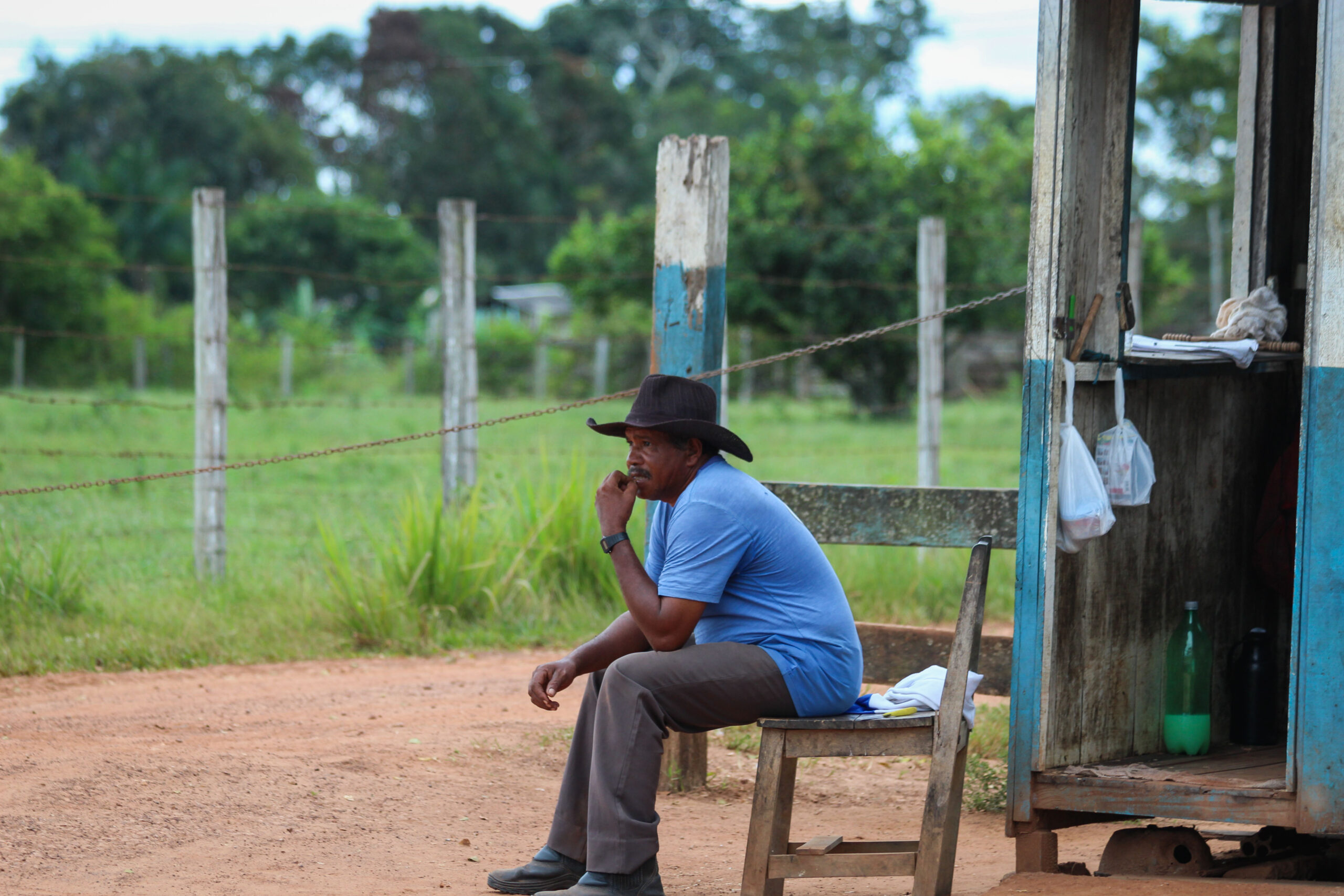
In Boca do Acre, a poor municipality of wooden stilted homes with 28,000 residents, the cattle industry accounts for more than 70 percent of the economy, officials said.
It’s a reality replicated in towns throughout the Amazon rainforest, often making it difficult for officials to take a hard line enforcing laws on deforestation.
“It’s impossible for this city to live without cattle,” Josimar Fidelquino, a local government official responsible for environmental monitoring told the Thomson Reuters Foundation. The municipality is the largest cattle producer in Amazonas, Brazil’s biggest state, officials said.