

By Laurie Goering
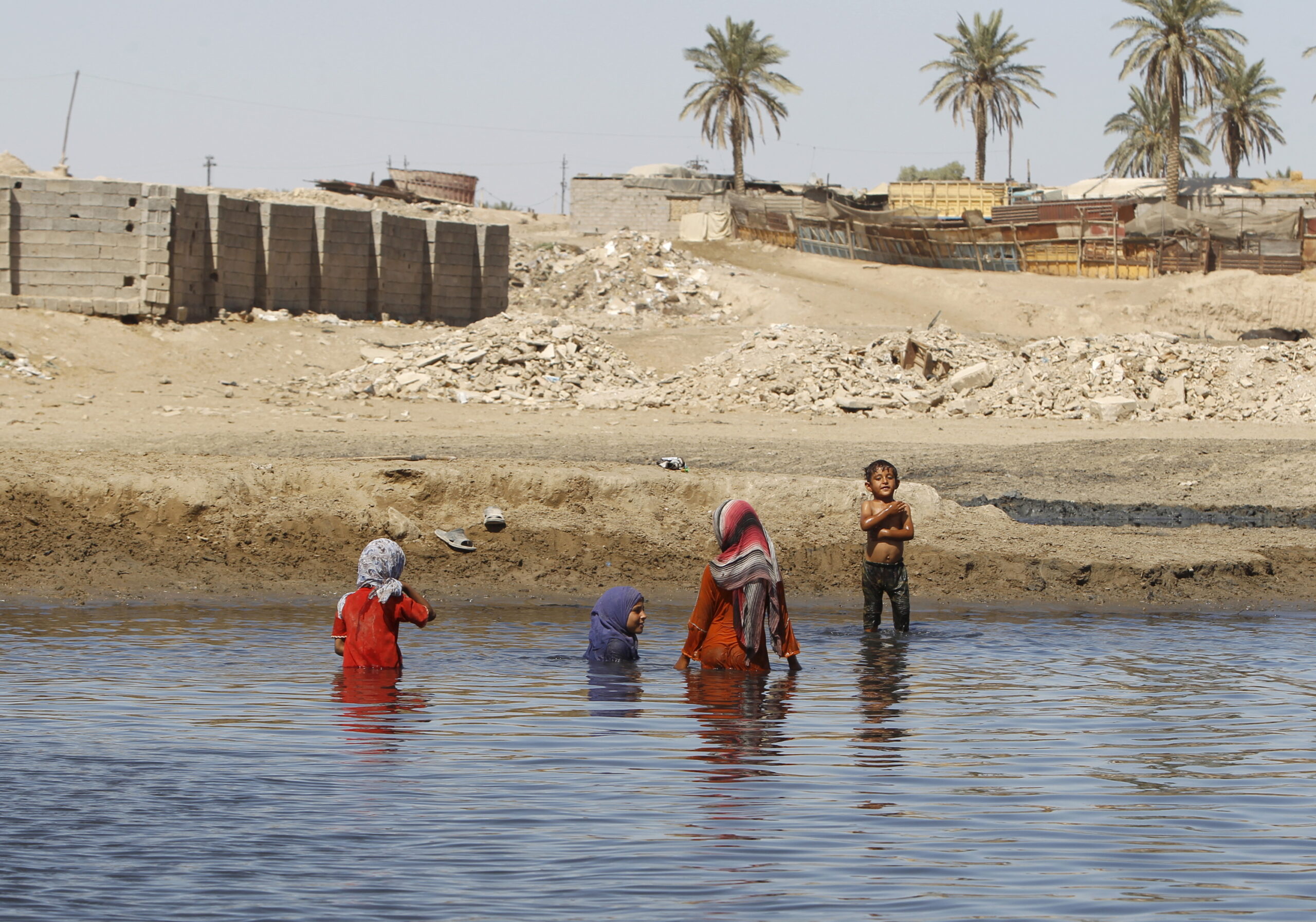
LONDON, Dec 12 (Thomson Reuters Foundation) – After years battling Islamic State militants, Iraqi farmers – many of them military volunteers – are now returning to their homes and fields only to find a new threat: a shortage of water.
Construction of dams and other water-holding facilities in upstream Turkey and Iran, combined with increasingly erratic rainfall across the region, mean the amount of water flowing in key Iraqi rivers has fallen by at least 40 percent in recent decades, said Hassan Janabi, the country’s water resources minister.
Damage to Iraq’s own dams and other infrastructure from years of fighting – and from a recent earthquake – also is making water supplies more irregular, he said.
While war was raging, water was a secondary concern – but today it is fast becoming a new source of conflict, he said.
Farmers in swathes of southern Iraq have had too little water to plant this winter’s wheat crop, leading to demonstrations and increasing anger, the minister said. By next summer, even drinking water may be in short supply in some areas, he warned.
“People are very, very upset,” Janabi said at a conference on climate change and security issues at The Hague on Tuesday. “We somehow have a social conflict now.”
Climate change is contributing to worsening security threats around the world, from growing migration to increased militancy, in hotspots from Africa’s Lake Chad basin and Mali to Iraq, government and military officials said at the conference in the Netherlands.
But acting effectively on those threats remains a challenge, in large part because doing so often requires bringing together not just different countries but leaders in wide-ranging fields – from peacekeeping to environmental action, food security and migration – who do not usually work together.
“There is a real need to bring together all the different pieces of this puzzle,” said Janani Vivekananda, a senior advisor on climate change and peacebuilding at adelphi, a German thinktank focused on climate, environment and development issues.
In particular, “we need to bring in people who think, ‘Climate change? That’s not us'”, she said.