

By A.Z.M. Anas
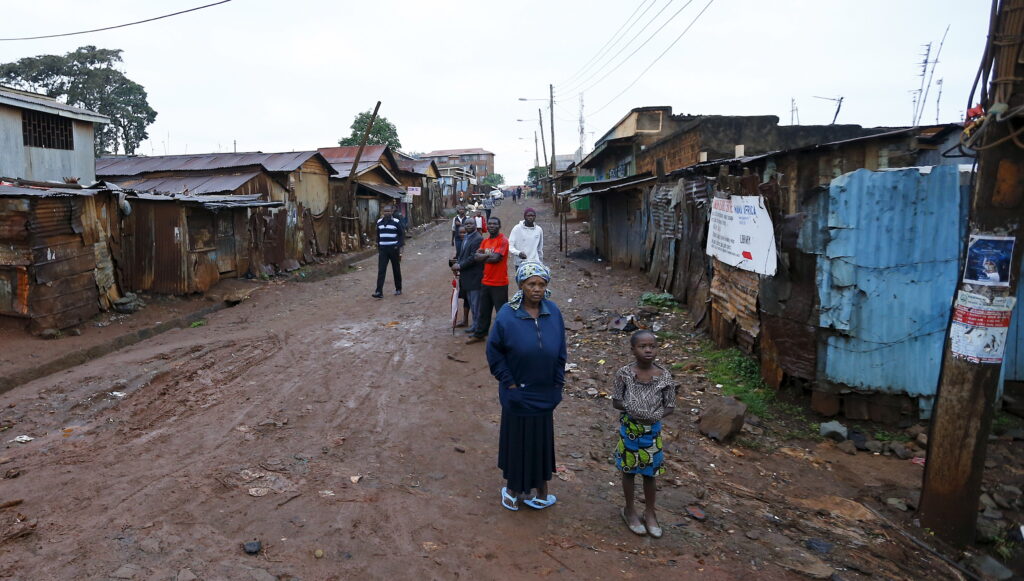
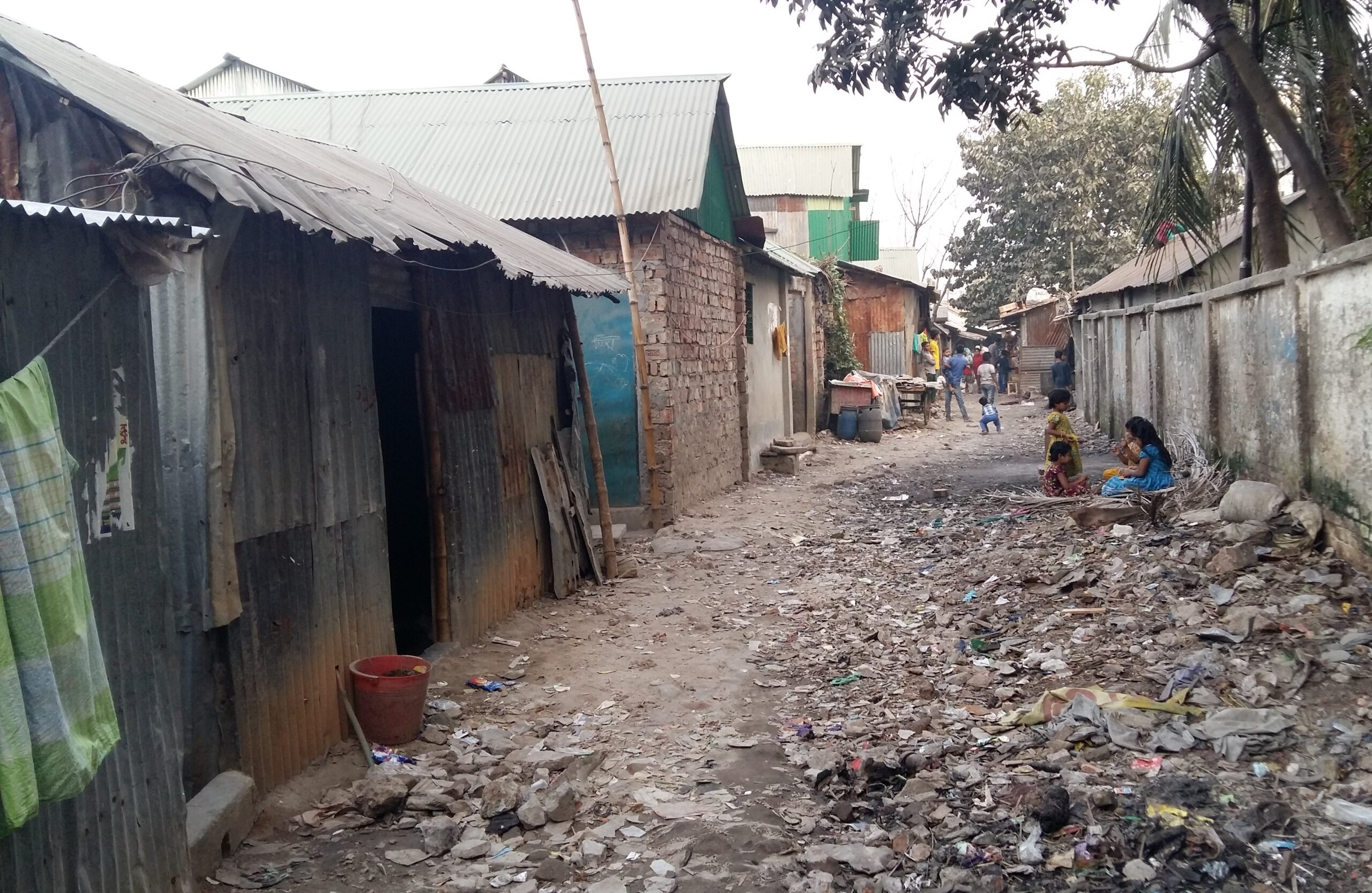
DHAKA, Feb 1 (Thomson Reuters Foundation) – Bilkis Begum has lived on the lakeside in Dhaka’s Korail slum for 16 years, but in December 2016, her extended family’s 12 houses were razed to the ground by a fire.
The inferno destroyed the oven her husband, Shahid Gazi, used for his bakery and the fridges he relied on for his business selling leftover chicken meat from Chinese restaurants.
For the Gazis, it was a struggle to cobble together the $3,000 they needed to rebuild their homes and business.
They borrowed $900 from moneylenders, and found the rest from relatives and friends. They also got tin, pillars and a little cash aid from Bangladesh-based development agency BRAC.
In addition, they received pro-bono help from architects like Sheikh Rubaiya Sultana, who helped redesign the neighbourhood to protect it better against future fires.
“Architects have social responsibility,” said Sultana, an assistant professor at BRAC University in Dhaka. “I watched the fire before my very eyes, but couldn’t do anything then.”
The Gazi family now has eight new units and the couple are back in business, running a small restaurant on the old site.
“We couldn’t have stood back on our own feet unless we got (this) support,” said Begum, 32, a mother of three.
A team of 16 architects, planners, engineers and students, brought together by BRAC, has tested out simple, cheap design solutions to rebuild Dhaka’s two biggest slums after fires destroyed some 650 homes in late 2016, affecting 2,500 people.
The new approach aims to tackle the ever-present threat of fires in Dhaka’s crowded slums, while improving living conditions for residents.
But in a city where less than 10 percent of areas are planned, altering the slumscape is a tall order.