

By Nita Bhalla and Sally Hayden
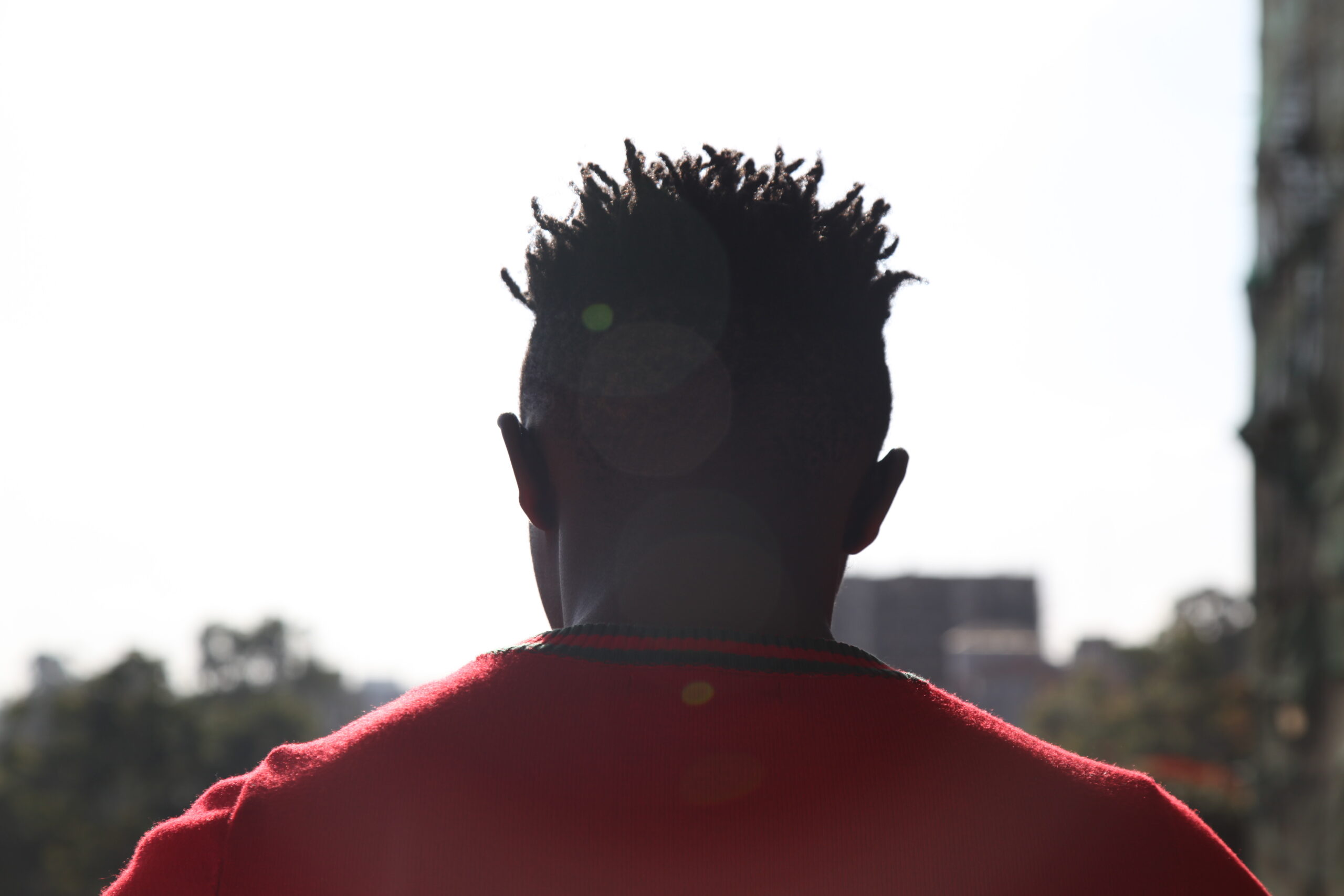
NAIROBI/KAKUMA REFUGEE CAMP, Kenya, Oct 31 (Thomson Reuters Foundation) – It wasn’t long after Joe’s father was shot dead for being gay that the 24-year-old Ugandan college student realised the men from his church would be coming for him next.
First came the anonymous phone calls in the dead of night. Then the chilling text messages detailing how he would be “hunted down”. It was only after he was attacked and lay bruised and bleeding in a public toilet that Joe fled to Kenya.
But four years on, the country he believed would be a safe haven for lesbian, gay, bisexual and transgender (LGBT+) refugees like himself has been more like a living hell.
He walks the streets of the Kenyan capital, Nairobi, in constant fear of arrest. He is frequently evicted from his lodgings. And with no means of income, he is forced to sell sex for 200 shillings ($2) through gay dating apps.
“I try and get through one day at a time. But I don’t see a future ahead for me,” said Joe, now 28, who did not want to reveal his real name.
“In Kenya, I can’t even get a job and in Uganda, they will kill me if I return. These are my options. Sometimes I just want to kill myself,” he told the Thomson Reuters Foundation.
Seen as a refuge in the volatile east African region, Kenya hosts around half a million people fleeing conflict, drought and persecution from countries such as Somalia, South Sudan, the Democratic Republic of Congo, Ethiopia and Burundi.
But largely forgotten, say campaigners, are the hundreds of LGBT+ refugees – predominantly from Uganda – forced to live in the shadows and pushed to the brink due to a lack of protection, safe housing and employment.
“While laws criminalising homosexual acts exist across Africa, LGBTQI people see Kenya as the least bad option as anti-gay laws are rarely enforced and there is less violence,” said Adam Fitzgerald from the Refugee Coalition of East Africa.
“But in Kenya, they also face multiple discrimination. As foreigners with no income, they face classism, racism and xenophobia. They are subjected to the prejudices of being a refugee. And then they also endure anti-LGBT attitudes.”
This discrimination, coupled with Kenya’s restrictive refugee policy, which denies asylum seekers the right to work and requires them to live in remote camps, has led to high poverty rates – pushing many into survival sex, he added.