

By Isabelle Gerretsen
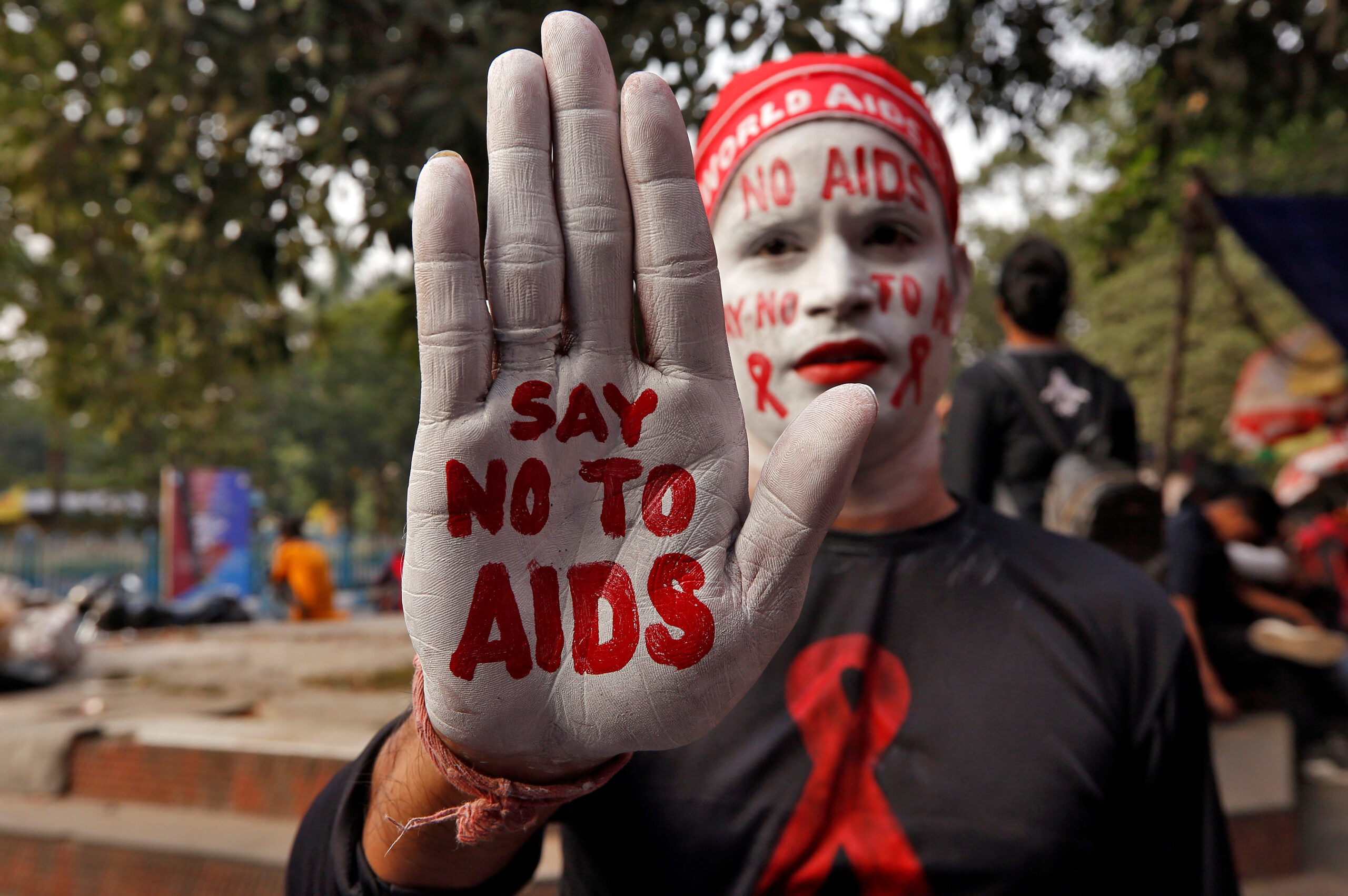
LONDON, Dec 1 (Thomson Reuters Foundation) – On the 30th World AIDS Day, the following timeline shows how the epidemic spread around the world, progress made to combat it and challenges that remain.
1920s – HIV, the virus that causes AIDS, is thought to have spread from chimpanzees in West Africa to humans.
1981 – The first cases of AIDS are reported among gay men in Los Angeles, San Francisco and New York.
1982 – The disease is found in several European countries, including Britain and France, and the term AIDS, meaning Acquired Immune Deficiency Syndrome, is first used.
1983 – AIDS is first recorded among female partners of men with the disease, suggesting that HIV can be transmitted via heterosexual sex.
1986 – The World Health Organization says HIV-positive mothers could pass the virus to their children during breastfeeding.
1987 – Princess Diana opens the first HIV ward in a British hospital and is photographed holding hands with an AIDS patient.
1987 – The first treatment drug for AIDS, AZT, is approved. The antiretroviral drug lowers death rates by suppressing HIV but it causes severe side effects.
1991 – Freddie Mercury, frontman of the rock group Queen, announces that he has AIDS and dies a day later from pneumonia.
1996 – A drug treatment called highly active antiretroviral therapy (HAART) is introduced, drastically lowering death and transmission rates.
1999 – The World Health Organization says AIDS is the fourth leading cause of global deaths and the number one killer in Africa.
2000 – The United Nations adopts the Millennium Development Goals which include a goal to reverse the spread of HIV and AIDS.
2006 – Male circumcision is found to reduce the sexual transmission of HIV between men and women by 60 percent.
2012 – The oral prophylactic drug PrEP is approved for HIV-negative people to prevent sexual transmission of the virus.
2014 – UNAIDS, the United Nations HIV/AIDS body, sets a goal of reducing the number of new HIV infections and AIDS-related deaths by 90 percent by 2030.
2017 – For the first time, half of all people living with HIV worldwide are receiving antiretroviral treatment.
Sources: UNAIDS, World Health Organization, HIV.gov, Avert
(Reporting by Isabelle Gerretsen @izzygerretsen; Editing by Katy Migiro. Please credit the Thomson Reuters Foundation, the charitable arm of Thomson Reuters, that covers humanitarian news, women’s and LGBT+ rights, human trafficking, property rights, and climate change. Visit http://news.trust.org)