

By Sonia Elks
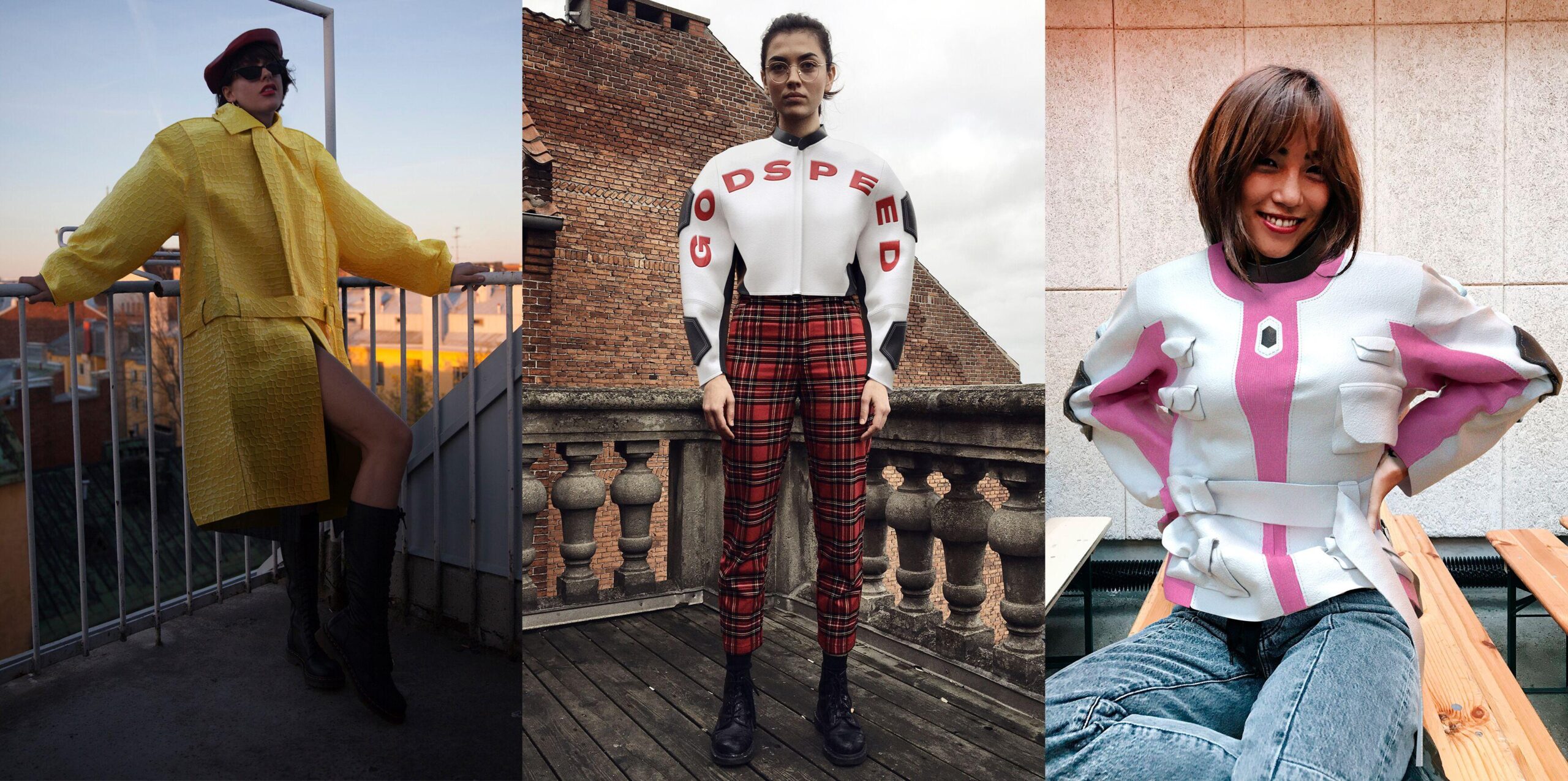
LONDON, Feb 18 (Thomson Reuters Foundation) – Striking a pose in the mirror, Swedish model and stylist Lisa Anckarman shows off a new jacket with a difference on Instagram – though it fits her perfectly in the photo, it’s a virtual design that does not exist in real life.
She is among a number of trendsetters embracing cutting-edge technology that offers the opportunity to sate appetites for fast fashion while dramatically slashing the emissions, pollution and labour abuses linked to the garment industry.
“I really liked the idea and the aspect that it’s good for the environment,” Anckarman told the Thomson Reuters Foundation as she discussed her virtual styling.
“Actually I think it maybe looked too good because people didn’t really get that it was digital.
“People were asking me ‘Where did you buy this?’ and I was saying, ‘It’s digital’, and they were like, ‘No, at what shop did you buy it?'”
Fashion is one of the world’s most damaging industries – it is responsible for about 10 percent of all greenhouse gas emissions, sucks up scarce water and creates vast amounts of pollution and waste.
But the desire for the latest look is only increasing. Global fashion sales grew by about 4.5 percent to $1.7 trillion in 2018, found analysts at McKinsey and Company, who said social media is bringing trends to consumers at an ever swifter pace.
Some businesses are now looking to meet the demand for new styles through digital designs, with Scandinavian fashion firm Carlings convincing its customers to pay real cash for virtual clothes that are digitally “fitted” onto users’ photographs.
“It was kind of scary (launching it) but the response was so overwhelming that we were convinced we were on to something,” said Ronny Mikalsen, the firm’s brand director.
The first Carlings designs, costing between 10 euros ($11) and 30 euros, sold out and a second digital collection is due to be released in spring 2019.