

By Roli Srivastava
PUNE, India, June 10 (Thomson Reuters Foundation) – After her son came out as gay, Sushma Samudra consulted astrologers, quizzed psychiatrists, performed prayers and implored gods and goddesses to cure his abnormality.
Nothing worked.
Undeterred, she tasked her husband to feed a stray dog each morning with a roti generously coated with ghee, closely following the curative advice of an expert astrologer.
Samudra can laugh now – recalling her naivety and the deranged detours taken en route – as she relaxed into a family interview at her home in Pune, about 90 miles from Mumbai.
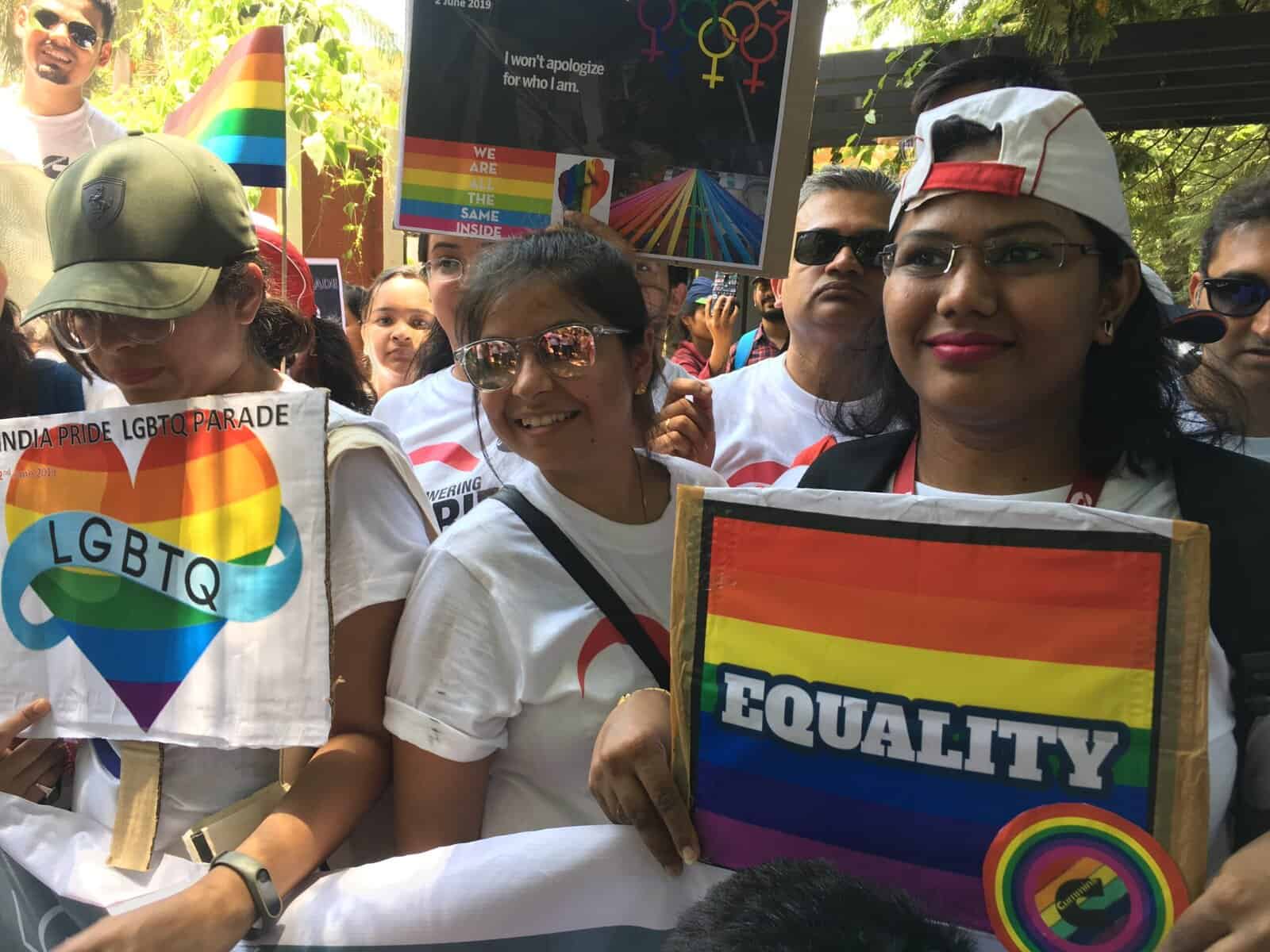
Homosexuality has been decriminalised but coming out is still not easy in India, where it is rarely discussed openly for fear of family rejection in a regimented, traditional society.
But some parents are now swimming against the heavy tide of tradition, be it counselling others about how to accept their gay children or even seeking a same-sex partner for their own.
“It took me 10 years to understand. I had never heard the word ‘gay’ before,” 66-year-old Samudra said.
“Now when people ask me, I tell them to accept their child. They need that the most. This is where I made a mistake.”
She spoke on a lazy Sunday afternoon in Pune, her husband Dattatreya, their son Sameer and his partner Amit at her side.
“It was difficult for me. I always imagined getting a daughter-in-law who would stay with me. My son gave me books (on understanding LGBT) to read. Now I understand this is natural.”
The change in her outlook mirrors reform in Indian law.
In a landmark judgment, India’s top court struck down colonial-era criminalisation of homosexuality last September, though anti-gay discrimination and LGBT abuse remain widespread.
Parental acceptance, too, remains a challenge, reflected in the ruptured family ties that were recently revealed by India’s first openly gay athlete Dutee Chand.
Seeking to help families avoid similar conflict, support groups are now targetting parents with a message of acceptance.
“When the child comes out, parents go into the closet. We have seen children suffer because their parents don’t accept them,” said Aruna Desai of a Mumbai-based LGBT support group called ‘Sweekar’ (Acceptance).
Sweekar holds workshops for parents, helping them navigate unfamiliar territory, and has seen participant numbers surge from a handful to 50+ in the last couple of years.
“We start with the definition of L, G, B and T,” said Desai, who was clueless when her son came out more than a decade ago.
Most parents worry how society will react and what they will tell their extended families.
“We talk to them, counsel them. There should be a day when this group is not required,” Desai said.