

By Kim Harrisberg
CAPE TOWN, Nov 6 (Thomson Reuters Foundation) – Beneath a bridge in the Cape Town suburb of Woodstock, a strung-together network of blankets serves as a refuge for a group of women fighting stigma on many fronts.
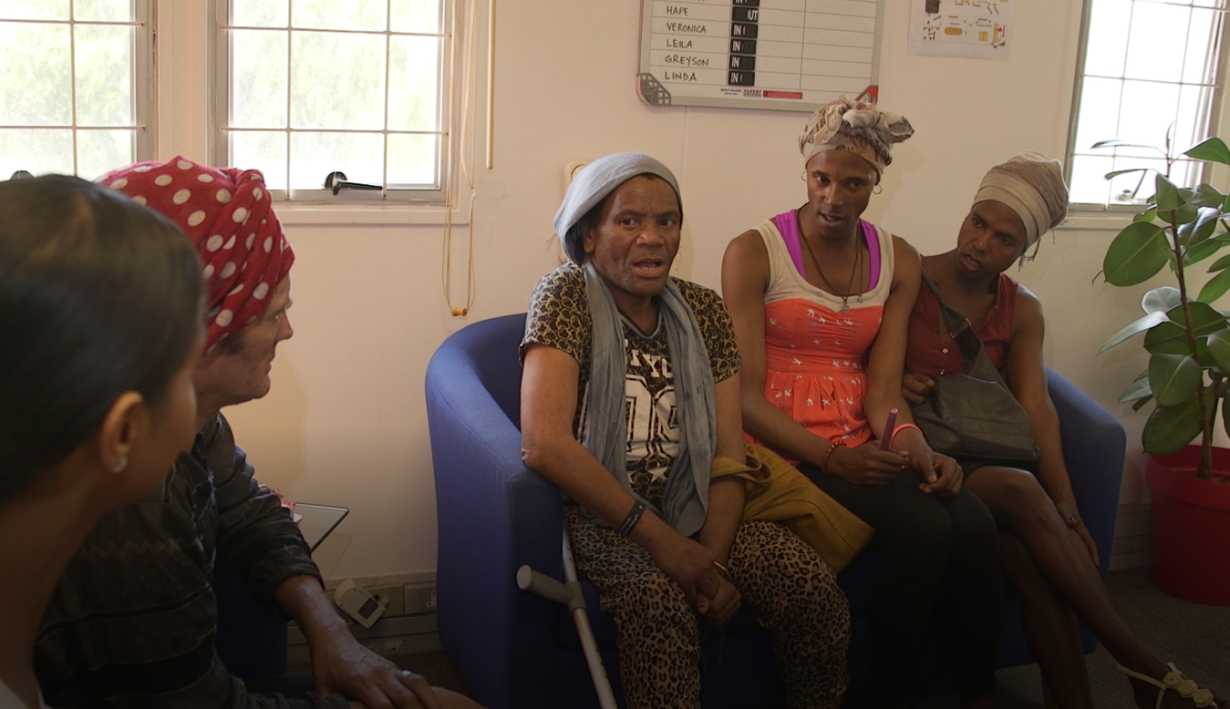
SistaazHood, a group of about 40 transgender women, most of them homeless and sex workers, has become a growing voice on issues such as transgender homeless shelters, the legalisation of sex work and better access to healthcare.
Local rights groups credit the Sistaaz – who were labelled male at birth but identify as female – for challenging the police’s relationship with the trans community and motivating a major court ruling on transgender prisoner rights.
“The Sistaaz contributed their experiences to the drafting of the police service’s Standard Operating Procedures, outlining concerns about harrassment of transgender people,” said Liberty Matthyse, head of transgender rights group Gender DynamiX.
For 45-year-old Netta Marcus, who founded the Siztaaz with five other women in 2010, “stigma follows us wherever we go”.
“But we are showing people that we are not a story made up in their minds,” she added, adjusting her blue headscarf. “We are here, and people are starting to listen.”
South Africa was the first country in the world to ban discrimination based on sexual orientation in 1996 and is still the only African nation to allow same-sex marriage.
Yet, transgender activists say their community has largely been forgotten in the fight for equality.
A core issue for the Sistaaz is safe and affordable housing, which they say goes hand-in-hand with the struggle for their rights as transgender people and as sex workers.
Homeless shelters usually assign them to male dormitories, where “men always want sexual favours”, said one group member, who asked to remain anonymous.
Many end up living in makeshift shelters where they are vulnerable to being robbed, attacked or having their homes dismantled by law enforcement, the Sistaaz said.
The lack of housing limits the women’s options, making it difficult for those working as sex workers to make a living any other way, explained 32-year-old Lemeez Oliver, another member of the Sistaaz.
“Without proof of residence, we cannot open bank accounts. We cannot get jobs,” she said. “It all comes back to housing.”
Cape Town’s mayoral committee member for community services and health Zahid Badroodien noted in emailed comments that when the city launched a new homeless shelter last year, it allocated a section for transgender people.