

By Laurie Goering
LONDON, April 23 (Thomson Reuters Foundation) – Asia faces surging threats from coastal and river flooding as climate change brings more intense rainfall and rising seas – but investing now in dikes and other measures to stem risks could have big financial payoffs, researchers said on Thursday.
India, for instance, could save about $250 per $1 spent on protection to lessen the average frequency of floods from every 11 years to every 25 years by 2050, said Betsy Otto, who directs the global water programme at the World Resources Institute.
Bangladesh, similarly, could save nearly $125 in damages for each dollar spent on dikes to reduce the likelihood of flooding from once every three years to once a decade by mid-century.
If used around the world, such measures could help cut what charity Christian Aid estimated was a global flood-damage bill of close to $46 billion last year.
“It’s a huge return, and it creates jobs and adds to local economies,” said Otto, who led development of Aqueduct, a global online water risk assessment and mapping tool.
On Thursday, the tool was expanded to allow governments, companies, aid agencies and others to evaluate the combined risks from coastal and river flooding around the world, and look at how possible interventions might work.
Since 1980, flooding has cost the world more than $1 trillion in losses, according to insurer Munich RE, and threats are increasing as population growth, migration and new construction put more people and assets at risk.
Aqueduct Floods data shows that by 2030, 132 million people and urban property valued at $535 billion are likely to be hit annually by river flooding.
India, Bangladesh and Pakistan are likely to see the biggest number of people affected, while India, China and Democratic Republic of Congo could see the largest losses to urban infrastructure.
On coastlines, 15 million people and $177 billion in urban infrastructure could be affected by floods each year by 2030.
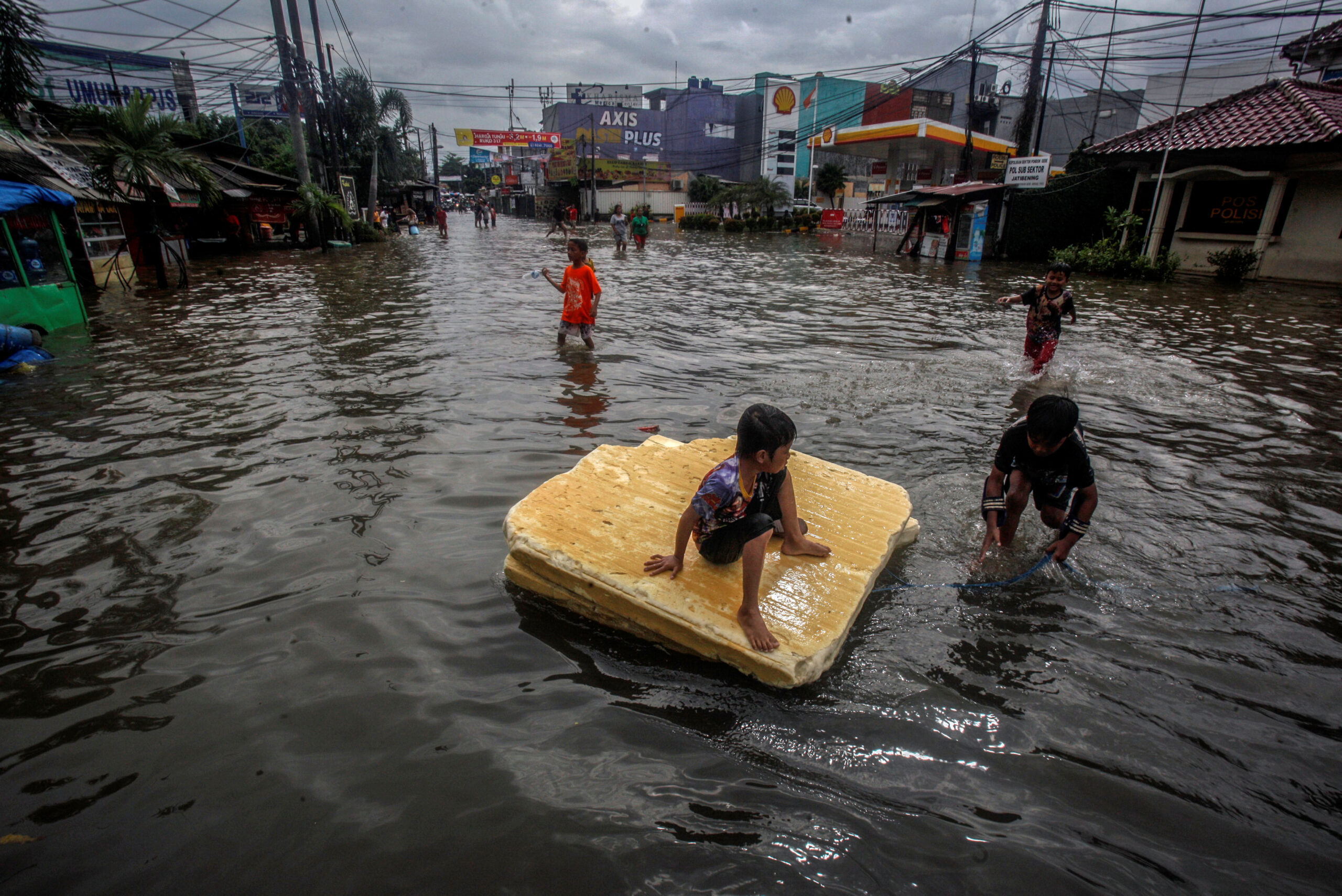
Bangladesh, Vietnam, Indonesia and India are likely to have the most flood-affected coastal residents, while China, Indonesia and the United States could see the biggest property losses in cities, the data indicated.
Asian cities including Mumbai, Chennai and Jakarta face particularly severe risks from both river and coastal flooding, as do some cities along the U.S. southeast and east coasts, Otto said.
“The numbers are sobering when you look at what the impacts are going to be,” she told the Thomson Reuters Foundation.