

By Oscar Lopez
MEXICO CITY, July 27 (Thomson Reuters Foundation) – In the six years since she was kicked out by family, student Aramis Huff has struggled to find somewhere to call home.
If her mother was outright abusive, the outside world hasn’t been much kinder to the 24-year-old Black woman who identifies as queer: Huff says she has faced repeated rejection from potential roommates due to her race and sexuality.
“A lot of it was responses from people saying, ‘Oh I’m sorry I’m not looking anymore,'” said Huff.
“It felt like the world was beating me down for trying to become independent and become a woman of my own,” she told the Thomson Reuters Foundation.
Many other LGBT+ Americans say they, too, encounter discrimination when looking for a new place to live because of their sexual orientation or gender identity.
According to a 2018 survey commissioned by mortgage company Freddie Mac, 13% of LGBT+ homeowners said they had experienced prejudice when trying to buy a home, while nearly half said they feared discrimination in the home-buying process.
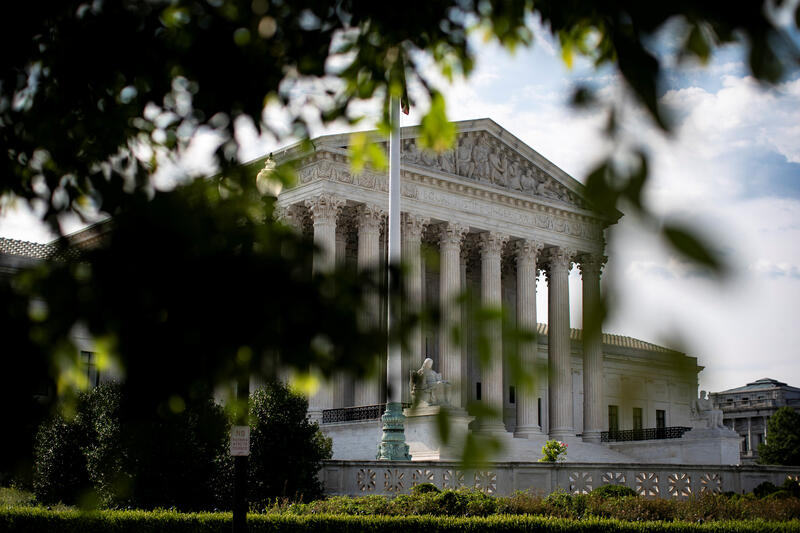
Now legal experts and rights advocates say a landmark Supreme Court ruling in June protecting gay and trans people from discrimination at work could permeate housing, too.
In a six-three decision, the nation’s top court ruled that gay and trans people are protected under Title VII of the Civil Rights Act of 1964, which bans workplace discrimination on the basis of sex, among other personal attributes.
With workplace protection enshrined, advocates say the landmark ruling may have far wider ramifications, be it in LGBT+ access to housing or health care, learning and loans.
Among high-profile cases that could gain from the ruling is a challenge to President Donald Trump’s ban on transgender people enlisting in the military.
But near the top of the list are perceived violations of the Fair Housing Act, a landmark civil rights law prohibiting discrimination in the sale, rental and financing of housing based on race, religion, sex or national origin.
“What we’re going to see is that Title VII interpretation of sex discrimination really applies across the board,” said Robin Maril, an attorney at the Human Rights Campaign, a national advocacy group.
“With the Supreme Court case, (LGBT+) people are protected.”