

By Beh Lih Yi and Nita Bhalla
KUALA LUMPUR/NAIROBI, Nov 10 (Thomson Reuters Foundation) – Joe Biden’s U.S. presidential election win has raised hopes of resettlement for refugees from Asia to Africa, many in countries where they are denied work and education and have no formal status.
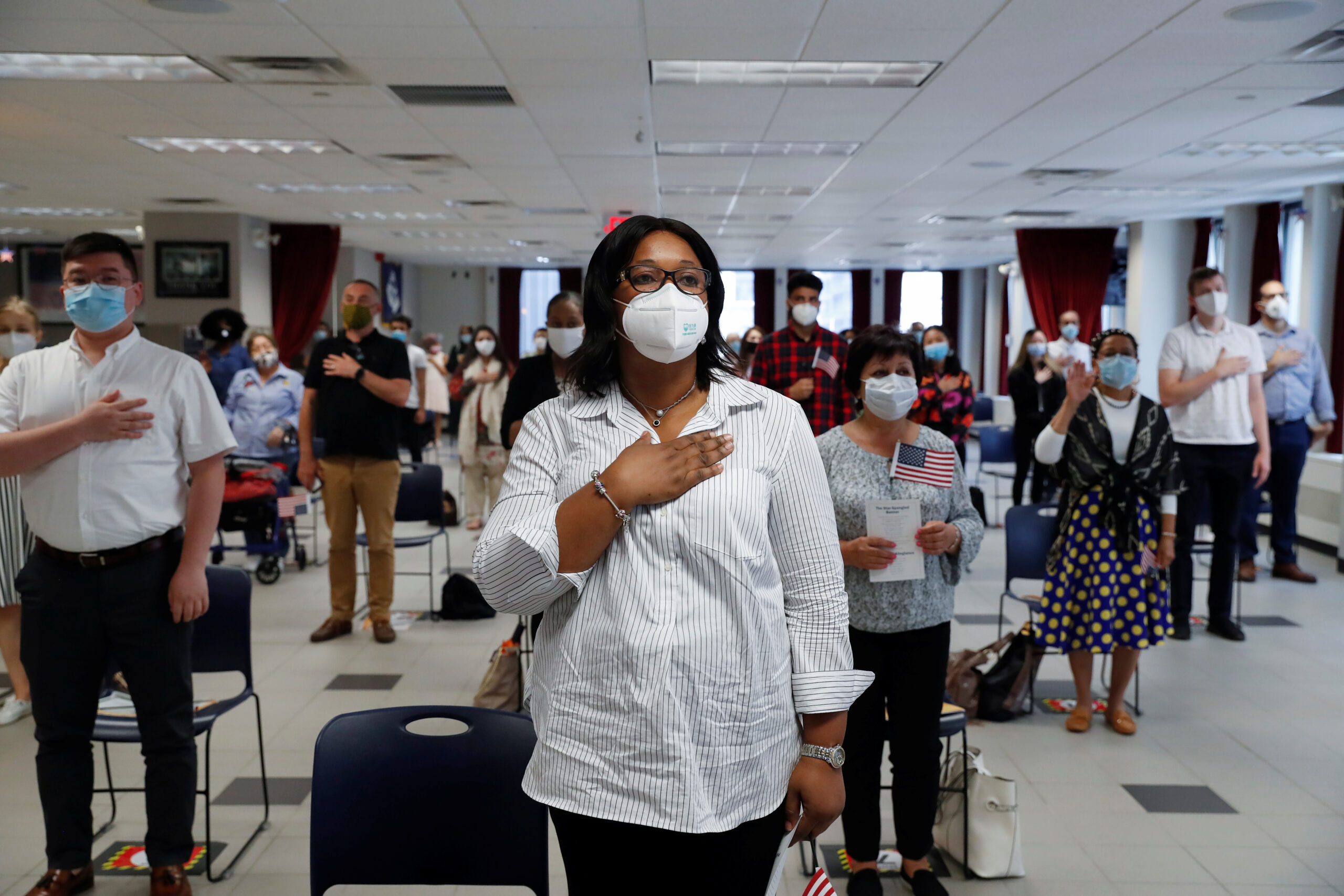
The United States has for years taken in tens of thousands of refugees who are unable to return home or make a new life in the country where they have sought asylum, under a process known as third-country resettlement.
But admissions plunged under President Donald Trump from 85,000 in 2016, before he took office, to 30,000 last year, official data shows. Biden has promised to lift the quota.
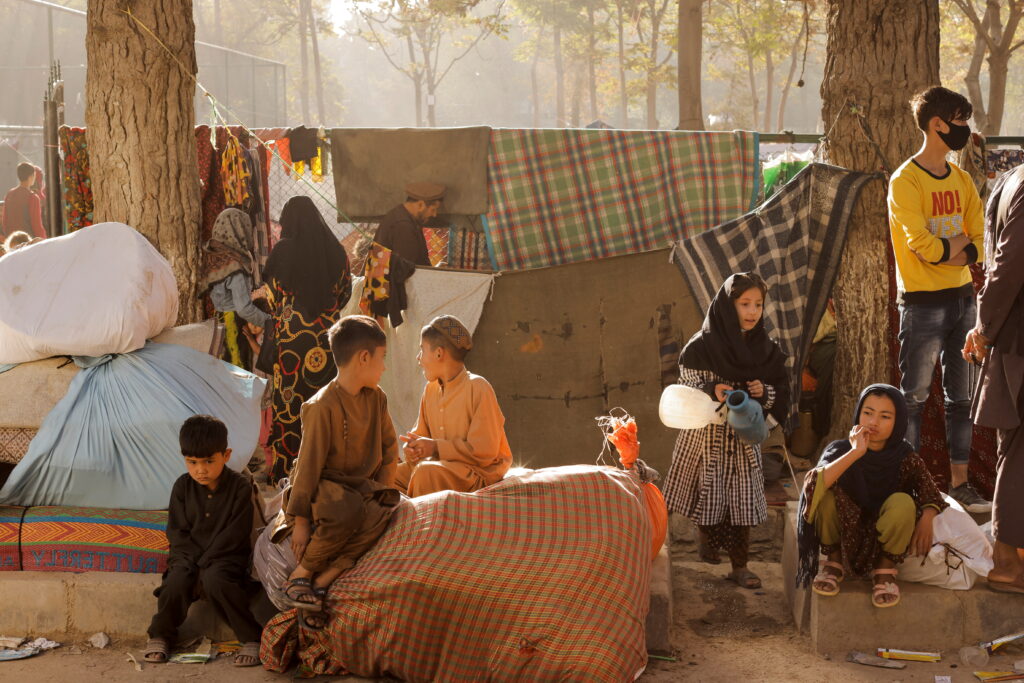
That has raised the hopes of millions languishing in camps or settlements around the world, among them Joseph, a refugee from one of Myanmar’s ethnic minorities who fled to Malaysia in 2007.
“I am hoping for a better future. I lost all my hopes for resettlement in the last four years,” said Joseph, who asked not to be identified in full.
“We can be arrested any time if we work. We have no legal protections, no future here,” he told the Thomson Reuters Foundation.
Like many countries in Asia and Africa, Malaysia, which hosts some 180,000 refugees, is not a signatory to the 1951 U.N. Refugee Convention.
That means people like Joseph can be viewed as illegal immigrants. Many turn to odd jobs to support themselves, puttng them at risk of exploitation and abuse.
The United Nations refugee agency has said at least 1.4 million refugees like him are awaiting third-country resettlement next year, but countries have offered only a fraction of the places needed.