

By Marianne Bray
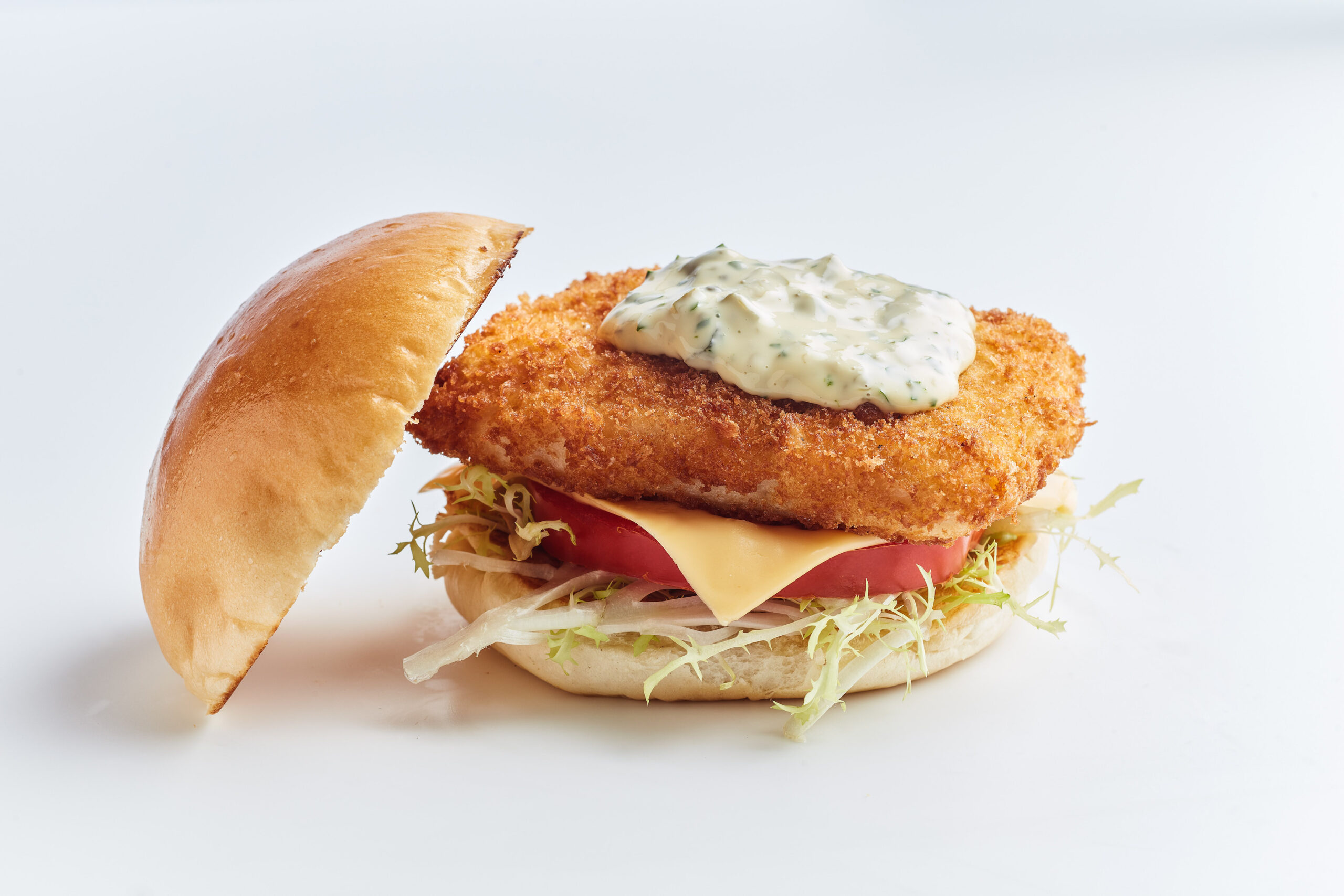
HONG KONG, Jan 28 (Thomson Reuters Foundation) – When chef Eddy Leung was tasked with cooking what was touted as the world’s first lab-grown fish fillets in his kitchen in southwestern Hong Kong, he pan-fried some and deep-fried others before finally deciding on breaded fish burgers with tartare sauce.
“Before I cooked the fish it was quite firm, but after I cooked it the texture changed to being like real fish,” Leung said of the culinary experiment that took place in the gritty Wong Chuk Hang neighbourhood late last year.
The fillets tasted and smelled like normal fish, but with the consistency of crab cakes, he said.
Made by Hong Kong-based food tech startup Avant Meats, the fish on Leung’s stove represents a key step toward meeting growing global demand for meat and seafood without jeopardizing climate goals, said Elaine Siu, managing director of the nonprofit Good Food Institute (GFI) Asia-Pacific.
“Cultivated meat gives consumers the animal protein they want without having to deplete the oceans or chop down the rainforest to get it,” she said.
The fish tasting came on the heels of Singapore’s announcement in early December that it had become the first government to approve cell-cultivated chicken, leading to the world’s first commercial sale of lab-grown meat, also known as “clean meat”.
In a report published last year, GFI said economic growth and rising incomes are expected to drive Asia’s appetite for traditional meat and seafood up nearly 80% by 2050.
While lab-grown meat is just beginning to gain ground, a University of Oxford study in 2011 found cultured meat could lower energy use in meat production by up to 45%, greenhouse gases more than 78%, land use 99% and water use up to 96%.
However, other researchers have said the green benefits of cultured meat are overestimated, not least because it can be energy intensive to produce.
‘SHRINK THE FOOTPRINT’
Cultivating fish in a lab can be done in a fraction of the time it takes to produce fish normally, said Carrie Chan, Avant’s co-founder and chief executive officer.
Most farmed fish take between a year to two years to grow, depending on the species, while wild fish take longer, she told the Thomson Reuters Foundation.
For Leung’s tasting, however, Avant cultivated about 10 fillets in approximately two months.
To make the fillets, the company put cells from a grouper fish into a bioreactor and fed them glucose, minerals, amino acids, vitamins and proteins – much like making beer or yoghurt, said Avant co-founder and chief scientific officer Mario Chin.
The cells then grow into muscle tissue – without heads, fins or organs.
Cell culture technologies can cultivate a variety of animal proteins almost anywhere, said Chin.
This appeals to companies looking for stable prices and predictable volume to help them overcome volatility in food supplies, as well as those wanting to source closer to consumers, said J.Y. Chow, who leads Mizuho Bank’s efforts to finance agriculture and food projects in the region.
Governments can benefit, too, with the COVID-19 pandemic and trade conflicts showing the need to secure and localise food production.
“Now we can shrink the footprint to a single point where the bioreactor is,” said Chan at Avant.