


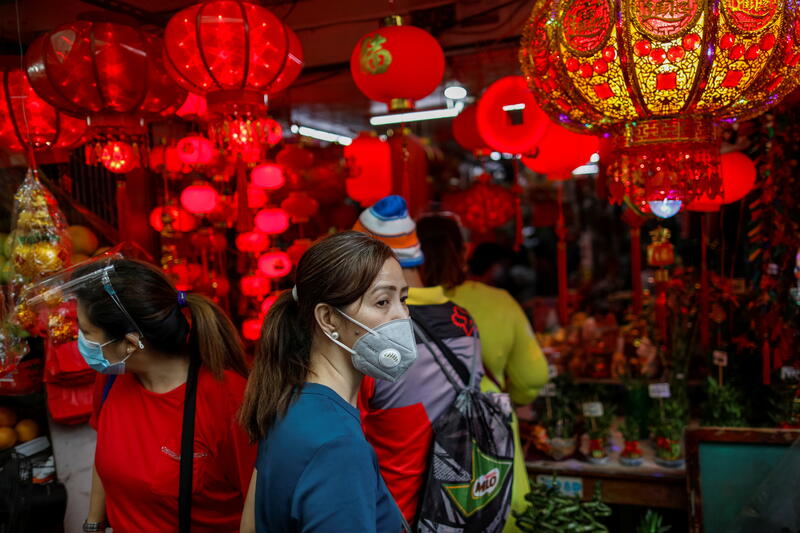
* High costs, plunging sales squeeze Chinatowns worldwide
* Xenophobia stoked the revenue downturn, researchers say
* Cultural legacy seen at risk as shops, restaurants close
* Online sales, image update seen as key to recovery
By Lin Taylor
LONDON, Feb 11 (Thomson Reuters Foundation) – It began with suspicious looks on the street. Then visits by shoppers and diners dwindled. Now, a year since the coronavirus spread globally, many small business owners in Chinatowns around the world are shutting up shop.
On the eve of Lunar New Year – traditionally her busiest trading season, Joanne Kwong is planning to close down Pearl River Mart’s flagship store in New York’s Chinatown half a century since it was established by her in-laws.
“The revenue isn’t matching all of the costs we have to pay for and that have been piling up over the last 13 months,” Kwong said.
From New York to London and Sydney, Chinatowns worldwide saw a dramatic drop in business as early as last January, before the coronavirus outbreak forced governments to impose lockdowns.
“It’s exhausting. I know that every one of those businesses, like us, is struggling. These changes are permanent. A lot of us are not going to make it and that’s terrifying,” Kwong told the Thomson Reuters Foundation.
She said, however, she was confident the well-known brand would be able to ride out the pandemic, mainly through sales from its expanded online shop and its sister stores.
Small and mid-sized businesses, the biggest employers, have been the hardest hit globally by fallout from the pandemic, with a fifth at risk of closing down permanently within months, said a 2020 study by the International Trade Centre.
But Chinatowns, in particular, have been hit harder and for longer, partly due to xenophobia related to the origins of COVID-19, which led to an avoidance of the area, said economist Paul Ong from the University of California, Los Angeles (UCLA).
Decades of outdated businesses practices, such as cash-only transactions and not having an online presence, as well as being less adept at securing state aid have contributed to merchants’ difficulties.