

* Four in 10 people in India are predicted to run out of reliable drinking water by 2030
* Pond restoration efforts could shore up water security
* Community ownership of projects helps ensure sustainability
By Anuradha Nagaraj
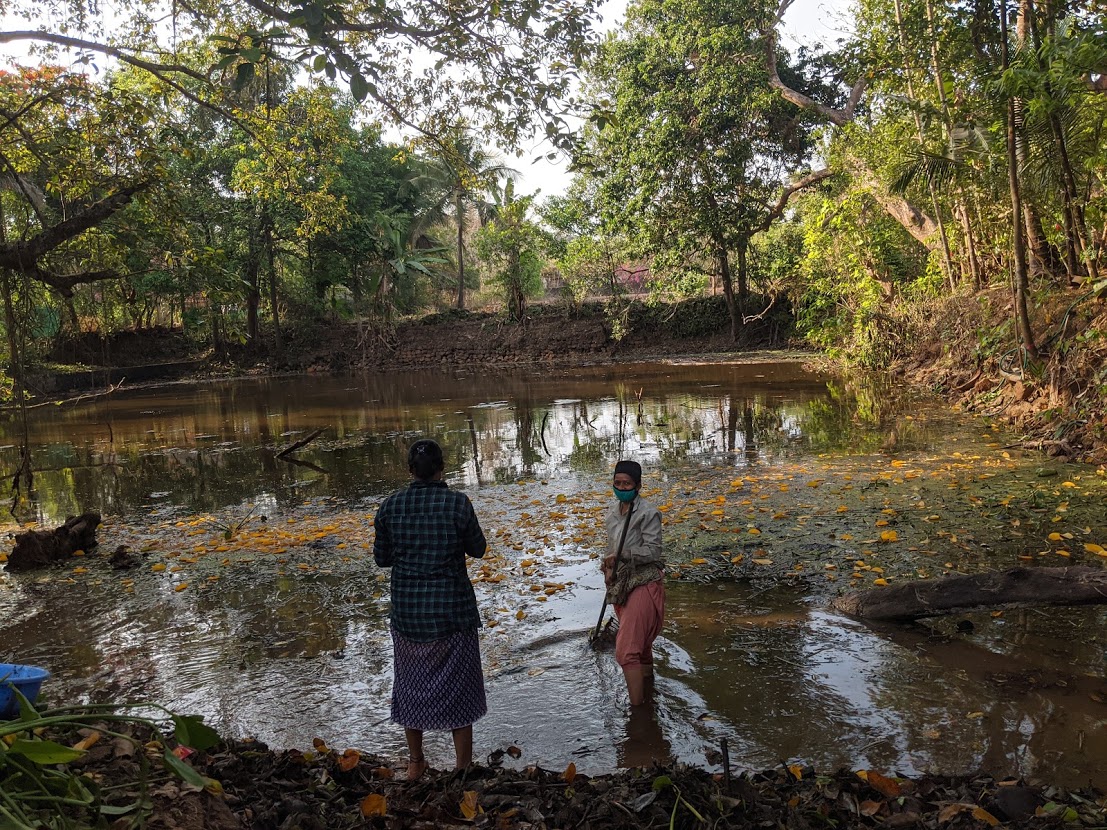
CHENNAI, India, March 8 (Thomson Reuters Foundation) – It was only when the buffaloes disappeared from an almost-dry pond in Saligao, in India’s state of Goa, that residents hatched a community plan to revive it – one now seen as a model for local efforts to shore up India’s precarious water supplies.
Working together, local people pulled out trash and invasive species, replanted native plants and restored the pond’s natural water flow.
“We thought we will just clean the pond that my aunt, an artist, loved gazing at and sketching,” said Sharada Kerkar, a 28-year-old member of citizen’s group CatcH2o.
“It was meant to be a very small initiative that some of us friends were doing but it has grown into something bigger. We have done five ponds now and keep getting calls to do others.”
CatcH2o’s successes has come just ahead of the harsh Indian summer which, as climate change strengthens, is increasingly associated with parched cities and a worsening drinking water crisis across the country.
A government think-tank report in 2018, when India suffered what was called the worst water crisis in its history, predicted that at least 40% of India’s 1.3 billion population will have no reliable access to drinking water by 2030.
Changing that will likely require not just government efforts to shore up water security but community ones, conceived and carried out by residents, climate adaptation experts say.
The transformation of Goa’s village ponds coincided with a new plan by the western state’s wetland authority to encourage people to protect their own ecosystems.
Launched in February, the Shram Shakti se Jal Samrudhi (water security through hard work) programme for the first time allots funding for people to carry out projects they develop, as well as to join up the work of different government agencies.
“The idea is to preserve, revive and restore water bodies,” said Pradip Sarmokadam of the Goa State Biodiversity Board.
“We will provide the technical assistance, but want people to own these water bodies.”