

This story is part of our Livelihoods in Limbo series. See the full photo essay here: https://tmsnrt.rs/3rbmkHF
By Mohammad Rakibul Hasan and Naimul Karim
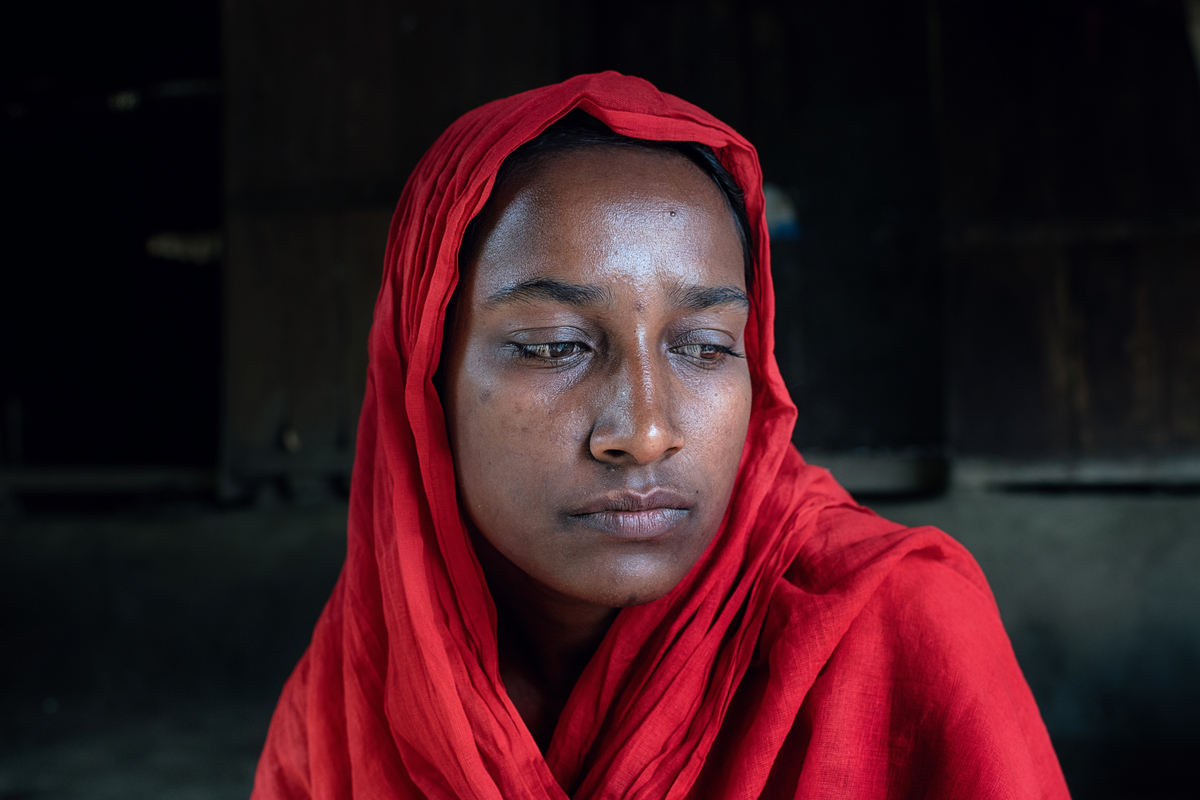
DHAKA, March 24 (Thomson Reuters Foundation) – When Hamida Parvin returned home to Bangladesh for a holiday from her job as a nanny in Qatar last February, she was excited to see her 17-year-old son after a year apart.
But the COVID-19 crisis suddenly escalated, flights were cancelled and Parvin’s joy soon became a nightmare “scramble for survival” as she scoured for ways to provide for her family.
“I went mad looking for jobs … nobody was hiring,” the 35-year-old told the Thomson Reuters Foundation at a small cafe in the capital, Dhaka, where she works as a chef – the family’s main source of income as her diabetic husband is often unwell.
“My savings went down to zero. Despite working for so many years, I am not sure if I can even pay the 7,000 taka ($83) fee that my son needs to sit for his upcoming school exams.”
In the cafe in the corner of a training centre for migrants, Parvin fries samosas and puris for breakfast and cooks rice, fish and chicken for lunch for Bangladeshis learning to speak Arabic or fix motors before applying for a job abroad.
She earns 7,000 taka a month – less than a third of what she earned in Qatar – but considers herself lucky to have a job as one of some 400,000 migrants who returned to Bangladesh during the pandemic, many without receiving their full wages.
The new coronavirus has devastated the South Asian nation – one of the world’s largest exporters of workers that relies heavily on their remittances, as well as the sale of clothes to Western brands in countries hit by store closures and lockdowns.