

-
Indian forests squeezed by infrastructure development
-
With eye on emissions, government backs tree planting
-
Critics say intensive plantings are a poor substitute
By Athar Parvaiz
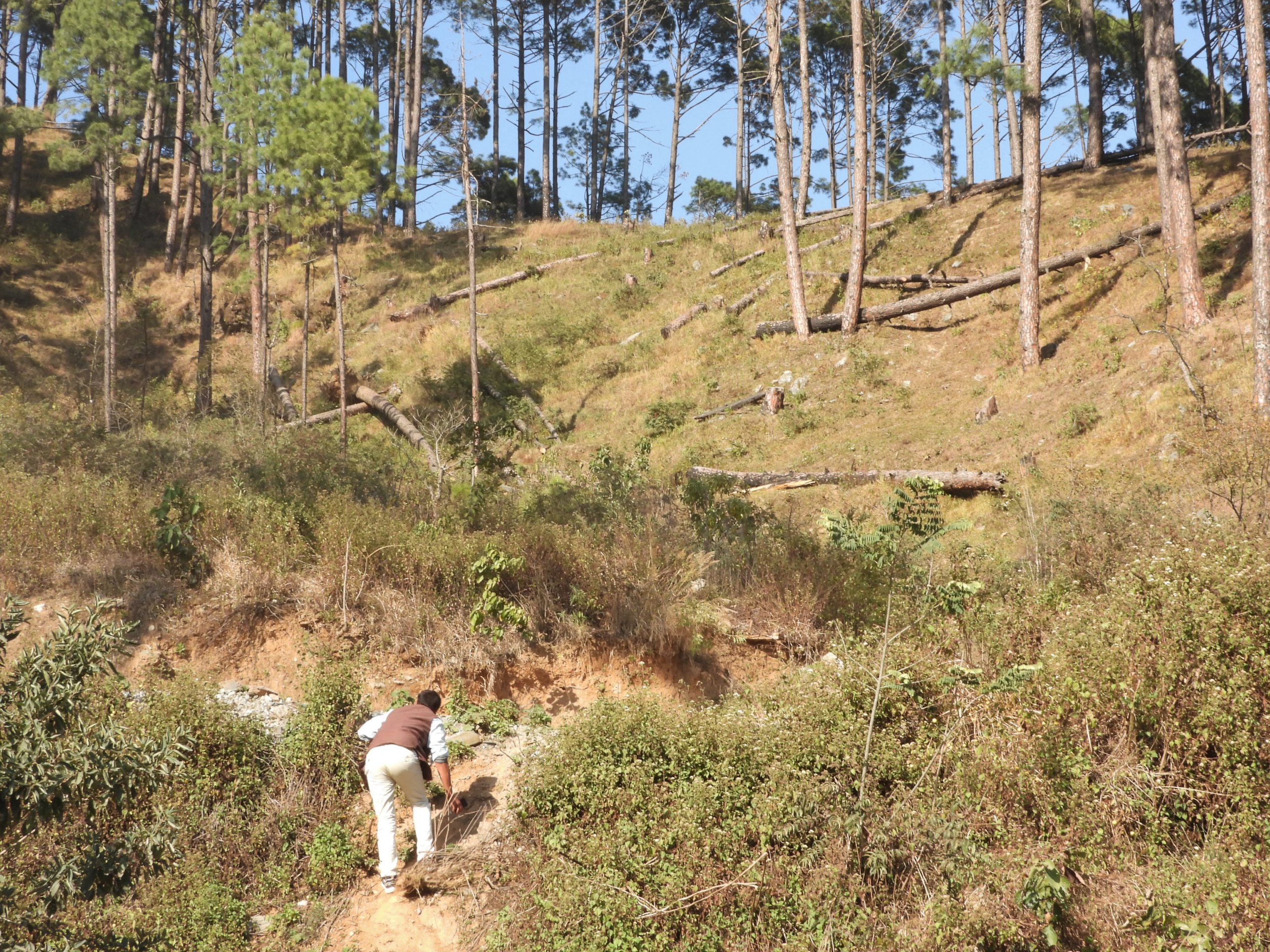
DEHRADUN, India, March 29 (Thomson Reuters Foundation) – For scientist, activist and tree lover Ravi Chopra, it is a painful sight. Where thick forest recently stood, a swathe of bare yellow earth is now dotted with road-building materials and construction workers near his home in India’s Himalayan foothills.
“It’s driving us crazy,” said Chopra, who runs an environmental nonprofit in the city of Dehradun, saying thousands of trees had been cut down due to two recent road-widening projects in the area.
“We’re going to pay a very heavy price for cutting down our forests,” he warned.
Across India, roads, hydroelectric projects and other infrastructure construction took over nearly 83,000 hectares (206,000 acres) of forest land between 2016 and 2021, according to official data.
Nearly 5% of that was protected land, such as national parks.
As development pressures squeeze the country’s established forests, the government says it is committed to boosting overall tree cover through tree-planting in other areas.
It aims to create new plantations by 2030 that can absorb as they grow the equivalent of 2.5 billion-3 billion tonnes of climate-changing carbon dioxide over their lifetime, helping the country meet its commitments on fighting climate change.
But critics say tree planting, or compensatory afforestation as the government calls it, is a poor replacement for the loss of mature forests, even if it does eventually help cut CO2 emissions.