

By Magdalena Mis
ROME, Aug 8 (Thomson Reuters Foundation) – When Italian architect Carlo de Sanctis went to a friend’s wedding on the outskirts of Rome two years ago, he did not expect to find himself discussing food waste.
As the party was winding down, de Sanctis and his friends ended up wondering what the waiter next to them would do with the uneaten food he had started to collect.
“We asked him what they were going do with all this leftover food and he showed us the garbage. We couldn’t believe all this excellent food would simply get wasted,” he said, still in disbelief.
De Sanctis felt compelled to act. With his friends, two lawyers and a web designer, he set up Equoevento, a Rome-based non-profit that collects uneaten food from events and delivers it to charities for distribution to the hungry.
“On one side you have so much leftover food, and on the other side there is no food at all. We saw every day that there were so many people that didn’t have enough food,” de Sanctis told the Thomson Reuters Foundation, explaining that “equo” means “equal” in Italian.
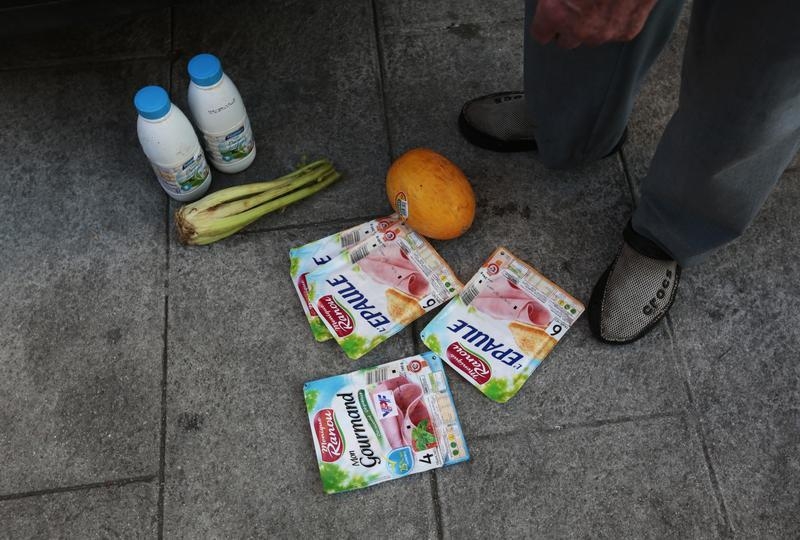
Between 30 percent and 40 percent of food produced around the world is never eaten because it is spoiled after harvest and during transportation, or thrown away by shops and consumers.
Yet almost 800 million people worldwide go to bed hungry every night, according to U.N. figures.
The problem has become so serious that halving world food waste by 2030 was included as a target for global development goals adopted by world leaders in 2015.
From Italy to Germany and Brazil to Kenya, a growing number of enterprises are rescuing food that would otherwise go into landfills to feed those in need – a trend some experts say may be the answer to the mountains of food waste created daily.
Equoevento has so far distributed 200,000 meals from food collected from some 400 events. Entirely run by volunteers, the organisation may soon need to seek office space as it expands, de Sanctis said.