


By Anuradha Nagaraj
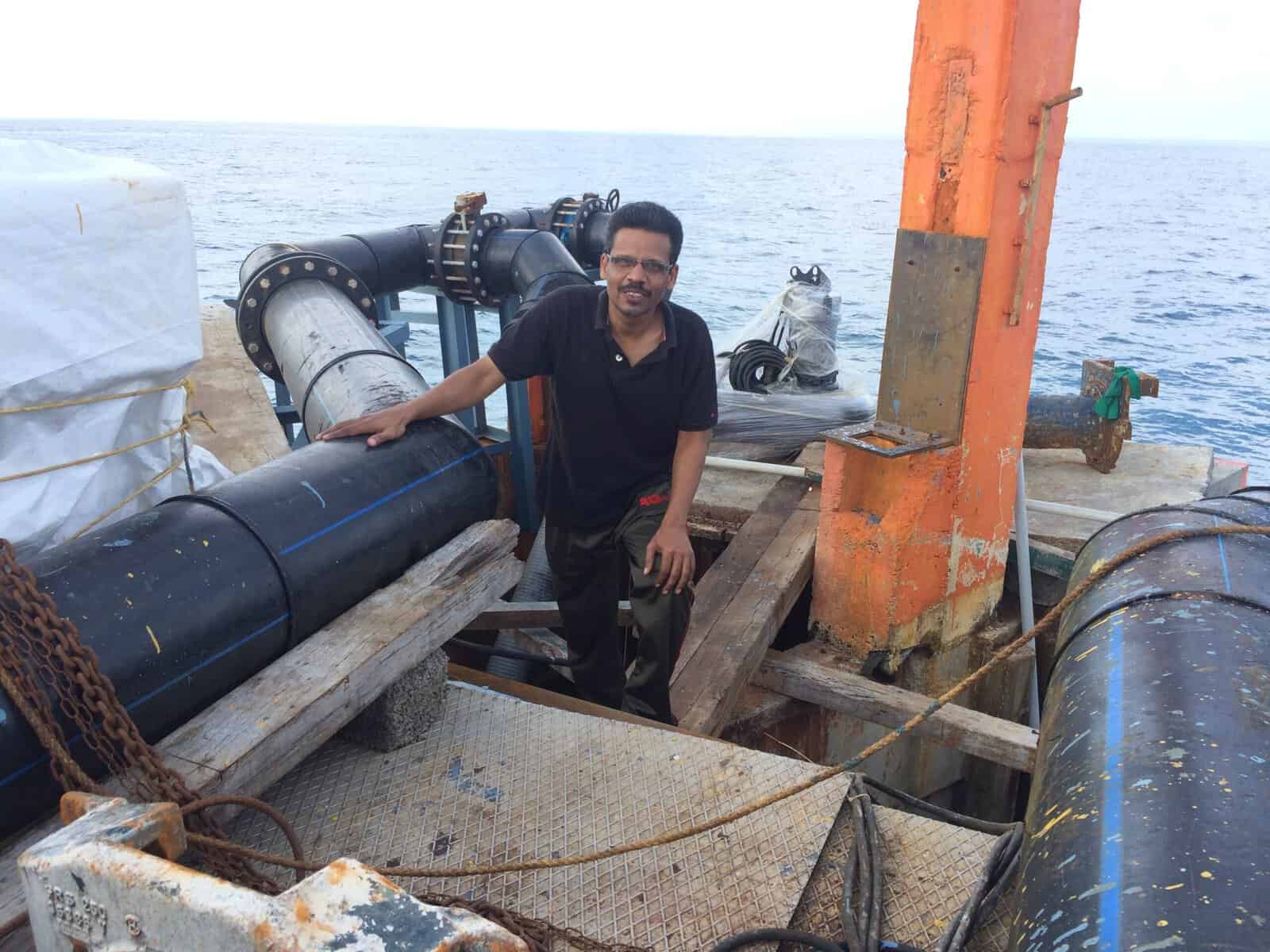
LAKSHADWEEP ISLANDS, India, July 25 (Thomson Reuters Foundation) – Each morning, Kamarunisa Poovummada sips her cup of tea while watching waves from the Arabian Sea crash around a water treatment plant opposite her house on Kavaratti island, off India’s southwest coast.
She links the taste of her perfectly brewed cup to the desalination plant that has brought potable water to the doorsteps of islanders, and almost erased the memory of the brackish tea she hurriedly swallowed down until a decade ago.
“We first noticed the difference when we saw the golden colour of the tea as we strained it into our cups,” Poovummada recalled. “And then we tasted the tea and it was magical.”
The “tasty” tea is celebrated daily by residents of Kavaratti, the capital of India’s smallest Union Territory Lakshadweep, an archipelago of 36 islands, of which only 10 are inhabited.
Surrounded by pristine beaches, lagoons and coral reefs, the islanders have for decades battled a shortage of clean water – a challenge facing many island inhabitants globally.
Over the years, the sea’s clear blue waters seeped into the islands’ limited groundwater reserves, making every sip saline.
Limited land availability also resulted in groundwater sources being too close to sewage sumps, causing contamination and making water unsafe for drinking, cooking or even bathing.
“The water system was a mess,” said Hidyathulla Chekkillakam, who grew up on the island and is an employee of the public works department that runs the desalination plant.
Different options were tried, from open wells to rainwater harvesting, he said – but they were either ineffective or too expensive.
“Good drinking water was a prized commodity,” he added.