

By Hannah McNeish
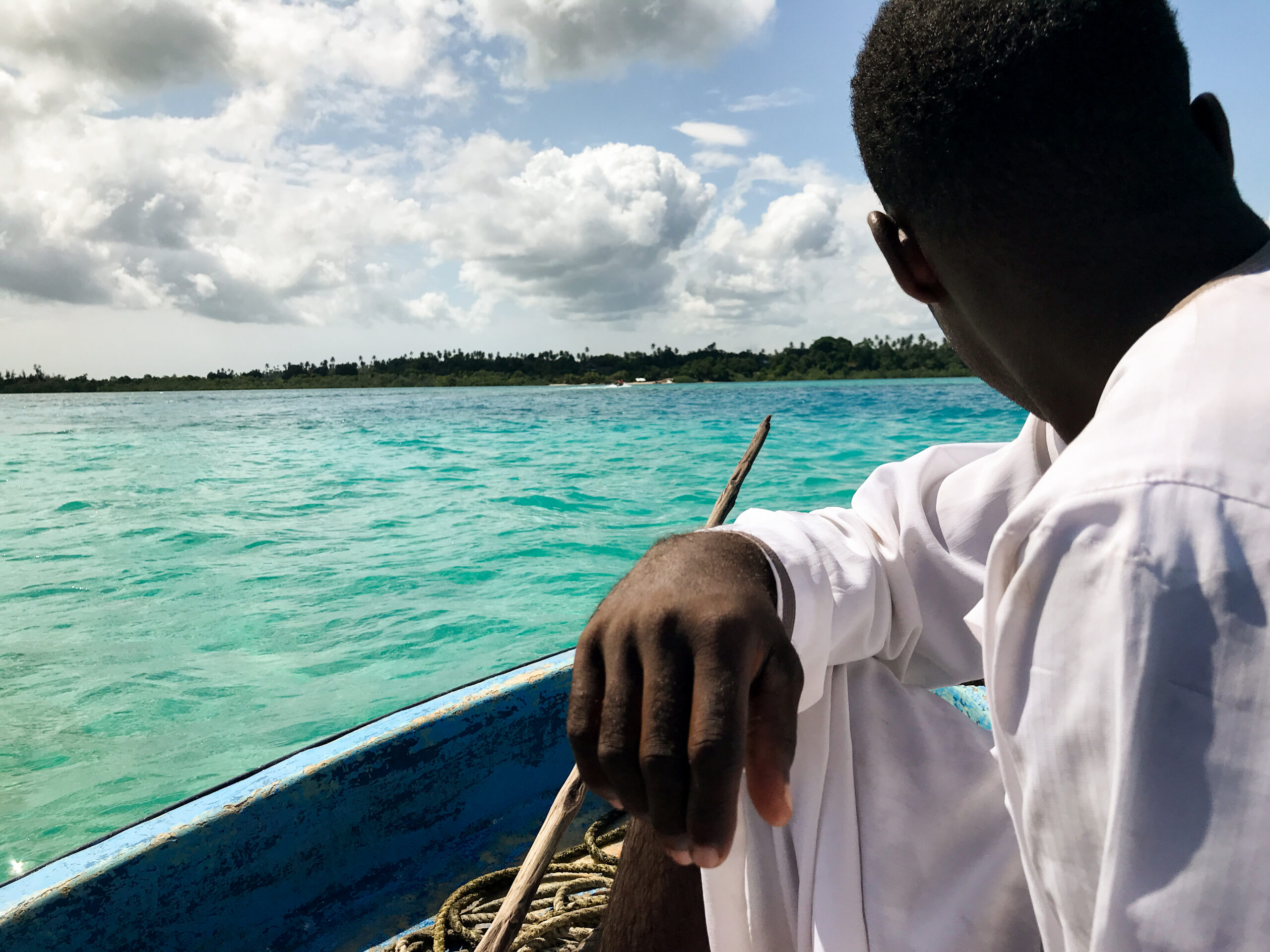
KISIWA PANZA, Tanzania Dec 7 (Thomson Reuters Foundation) – First, the encroaching sea started eating away at homes and killing crops on the small island of Kisiwa Panza. Then the rising tides began bringing up the dead.
For over 25 years, rising seas linked to climate change have caused repeated flooding on this remote islet in the Tanzanian archipelago, saturating the land with saltwater.
Islanders say banana trees that used to produce enough fruit to sell by the boatload to Pemba and other neighbouring islands have become barren and died.
Farmers tried planting rice and cassava instead – but nothing would grow in the salt-poisoned soil, they say.
Then the water reached some of Kisiwa Panza’s graveyards. People found themselves scrambling to protect the remains of their friends and families.
“We collected the bones, took them to another site in a wheelbarrow and dug them new graves,” said Saida Ali Faki, a 35-year-old farmer.
But today, the graveyards lay undisturbed, the houses stand dry and the banana trees are back.
Since 2017, two new concrete seawalls have protected residents from flooding.
And as the walls hold back the water, also people are planting mangrove forests to strengthen the island’s natural defences.
With the help of these two defence systems, the people of Kisiwa Panza say they have hope they can stop the rising sea from destroying their island.
Faki remembers a time, before the protection was put in place, when she could only grow enough to feed her eight children once a day.
This year, she planted maize and greens on a small patch of land that used to be regularly swamped with seawater.
“Now the wall is built, I expect to get more crops,” she said.