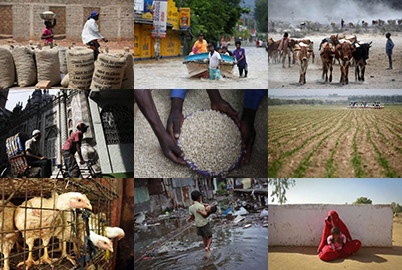
The IMF say more protection is needed for informal, temporary and part-time workers in Asia vulnerable to the economic fallout of the coronavirus
Coronavirus is changing the world in unprecedented ways. Subscribe here for a daily briefing on how this global crisis is affecting cities, technology, approaches to climate change, and the lives of vulnerable people.
By Leika Kihara
TOKYO, April 30 (Reuters) - Asian policymakers must expand safety nets for the region's huge pool of part-time and temporary workers most vulnerable to the economic devastation caused by the coronavirus pandemic, the International Monetary Fund said in a blog released on Thursday.
Full or partial lockdowns to curb the spread of COVID-19 are having crippling effects on businesses and workers across Asia.
But those most vulnerable are so-called informal workers, or those in part-time and temporary jobs without social insurance, and in sectors of the economy that are neither taxed or not regulated in any form by government, the IMF said in the blog.
Coronavirus: our latest stories
Informal workers in the Asia-Pacific region account for nearly 60% of nonfarm employment, higher than in Latin America and Eastern Europe, and ranging from around 20% in Japan to over 80% in Myanmar and Cambodia, it said.
"Time is everything" in deploying effective policy steps to prevent such workers from falling deeper into poverty, as their family income would be at risk if they cannot work for extended periods of time, the IMF said.
Asian policymakers can save informal workers with a "New Deal" programme that provides immediate protection against the pandemic's economic fallout, while addressing longstanding inequalities on access to health and basic services, it said.
The programme could include more expansive safety nets, and investment on digital platforms that offer education and financial services to a wider population, it said.
"The temptation to introduce universal cash transfers by 'giving money to everybody' should be tempered by the goal of ensuring that adequate support goes to those most vulnerable," the IMF blog said.
The blog was written by senior officials of the IMF's Asia and Pacific Department, including its director Chang Yong Rhee.
(Reporting by Leika Kihara; Editing by Simon Cameron-Moore)