

By Liam Taylor
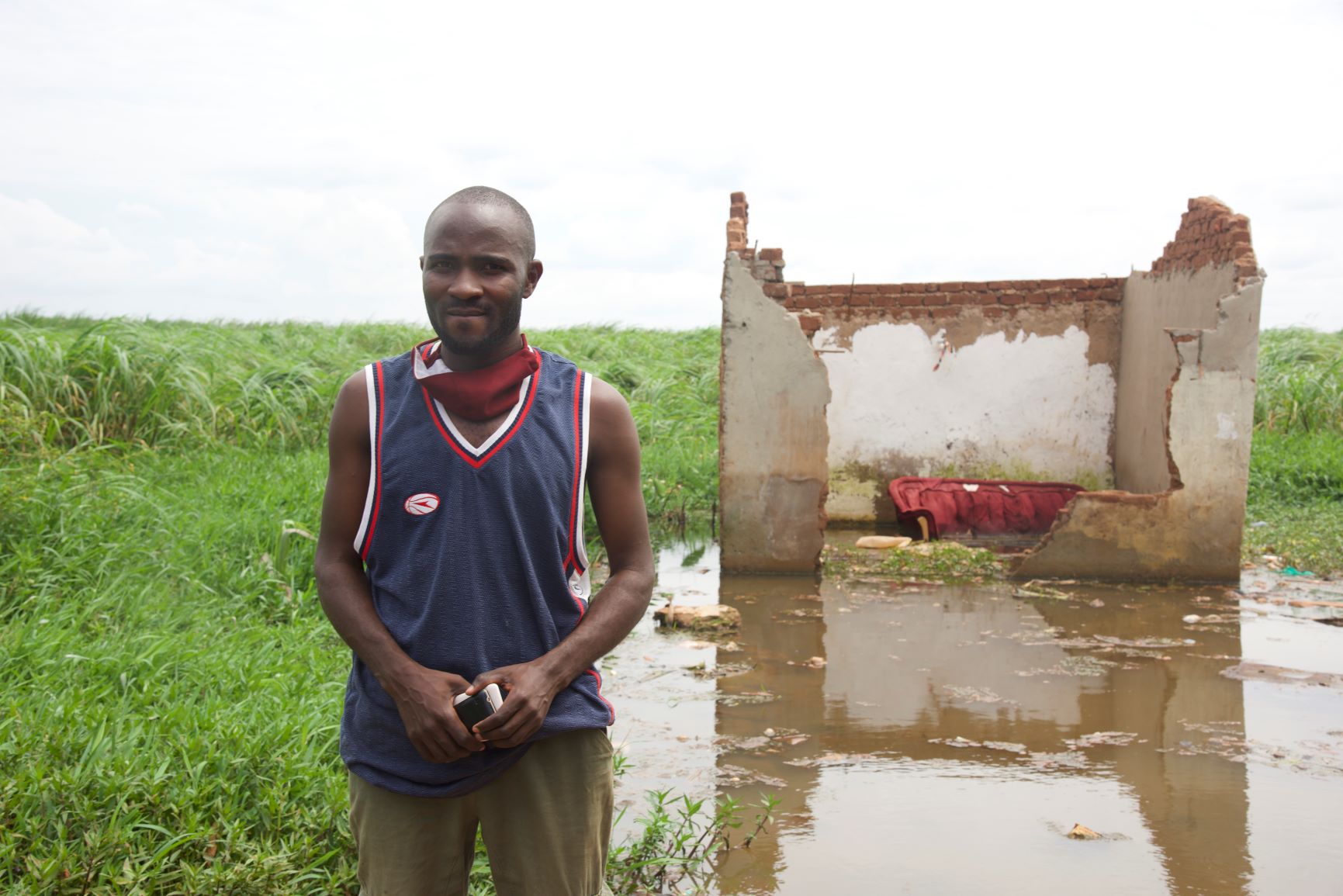
ENTEBBE, Uganda, June 11 (Thomson Reuters Foundation) – For the last decade, Silus Musasizi has lived on a wetland on the shores of Lake Victoria. For most of that time, Uganda’s government has been trying to chase him away.
Now, it is the water itself that has driven him from his small house on the edge of Entebbe, a Ugandan town that juts into Africa’s largest lake.
Thousands have been displaced from their homes along the shoreline by the worst flooding since records began more than a century ago. Musasizi, who works as a truck driver, is renting a room on higher ground until the waters recede.
“Homes have been destroyed,” said Musasizi, whose family came here originally seeking cheap land. “My friends are now on the streets.”
The Ugandan government has said people like Musasizi are partly to blame for the floods, and wants them to leave the wetlands for good.
It plans to start evicting people without compensation this month – in the middle of a coronavirus lockdown that has hit the poor hardest.
‘RICH WILL REMAIN’
Alfred Okot Okidi, the top civil servant at the ministry of water and environment, said 700,000 Ugandans had been affected by flooding nationwide, almost all of whom live illegally in the protected zones around lakes and rivers.
Settlement, cultivation and industry were destroying the wetlands, which act as “natural sponges” to absorb excess rainfall, Okidi told the Thomson Reuters Foundation.
The evictions are in line with a directive issued by President Yoweri Museveni, who warned in an address last week that the floods “should be an eternal lesson to all of us”.
That is a message heard with scepticism in the swamps of Entebbe, where houses crumble into the water and men fish in flooded gardens.
Peter Kisakye Zzimula, the pastor of a church on the wetlands, argued that people only build there because they cannot afford to rent property elsewhere.
“Nobody would wish to be here but people are oppressed,” he said. “If you evict them, where will they go?”