

Coronavirus is changing the world in unprecedented ways. Subscribe here for a daily briefing on how this global crisis is affecting cities, technology, approaches to climate change, and the lives of vulnerable people.
By Petro Kotze
CAPE TOWN, South Africa, July 1 (Thomson Reuters Foundation) – For the Makuleke people of South Africa’s far northeast, the country’s COVID-19 lockdown has brought back memories of the poverty and hunger they thought they had overcome decades ago.
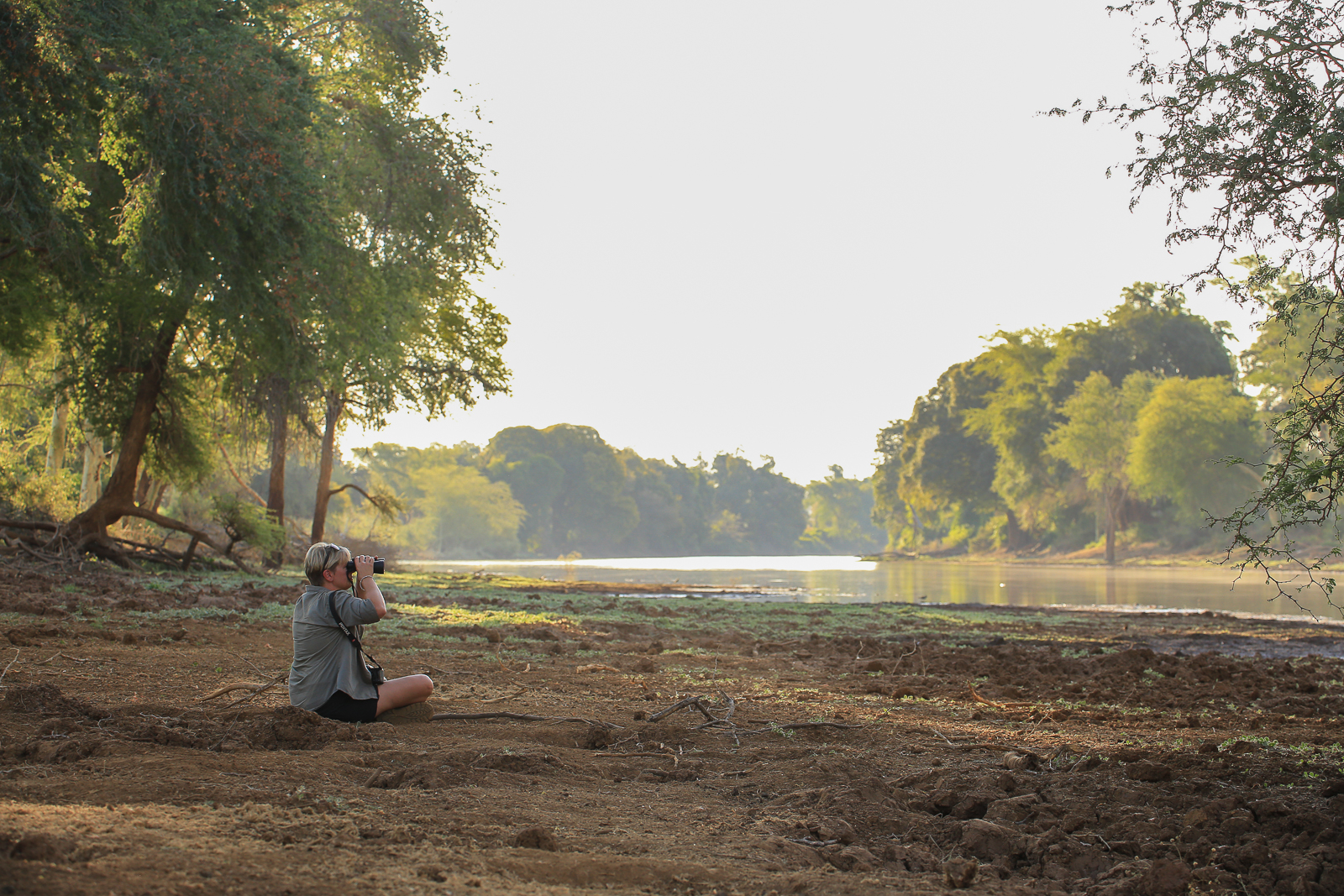
The once-landless Makuleke have made a sustainable living running eco-tourism activities in the famous Kruger National Park since the early 2000s, on land the community reclaimed in a historic legal case.
But much of that progress could be laid to waste by the coronavirus pandemic, they warn.
“Before we won the land and tourism started, life was not easy,” said Godfrey Baloyi, a Makuleke member and general manager of RETURN Africa, which runs accommodation and safaris in the park.
“No jobs, no nothing. It was like now; people are struggling,” he said.
After more than two months of strict lockdown to slow the spread of the novel coronavirus, South Africa’s national parks service, SANParks, announced in June it would soon start reopening some facilities, in line with new government rules.
But much of the damage has been done, say the Makuleke people who spoke with the Thomson Reuters Foundation. Many fear the community might never bounce back from the sudden, devastating loss of business.
“I don’t think anybody could have expected these circumstances,” said Lamson Maluleke, a community leader and member of the Makuleke Communal Property Association (CPA). It owns land belonging to about 2,000 Makuleke who were removed from their ancestral land and their descendants.
“It is affecting the community big-time.”