


Coronavirus is changing the world in unprecedented ways. Subscribe here for a daily briefing on how this global crisis is affecting cities, technology, approaches to climate change, and the lives of vulnerable people.
By Umberto Bacchi
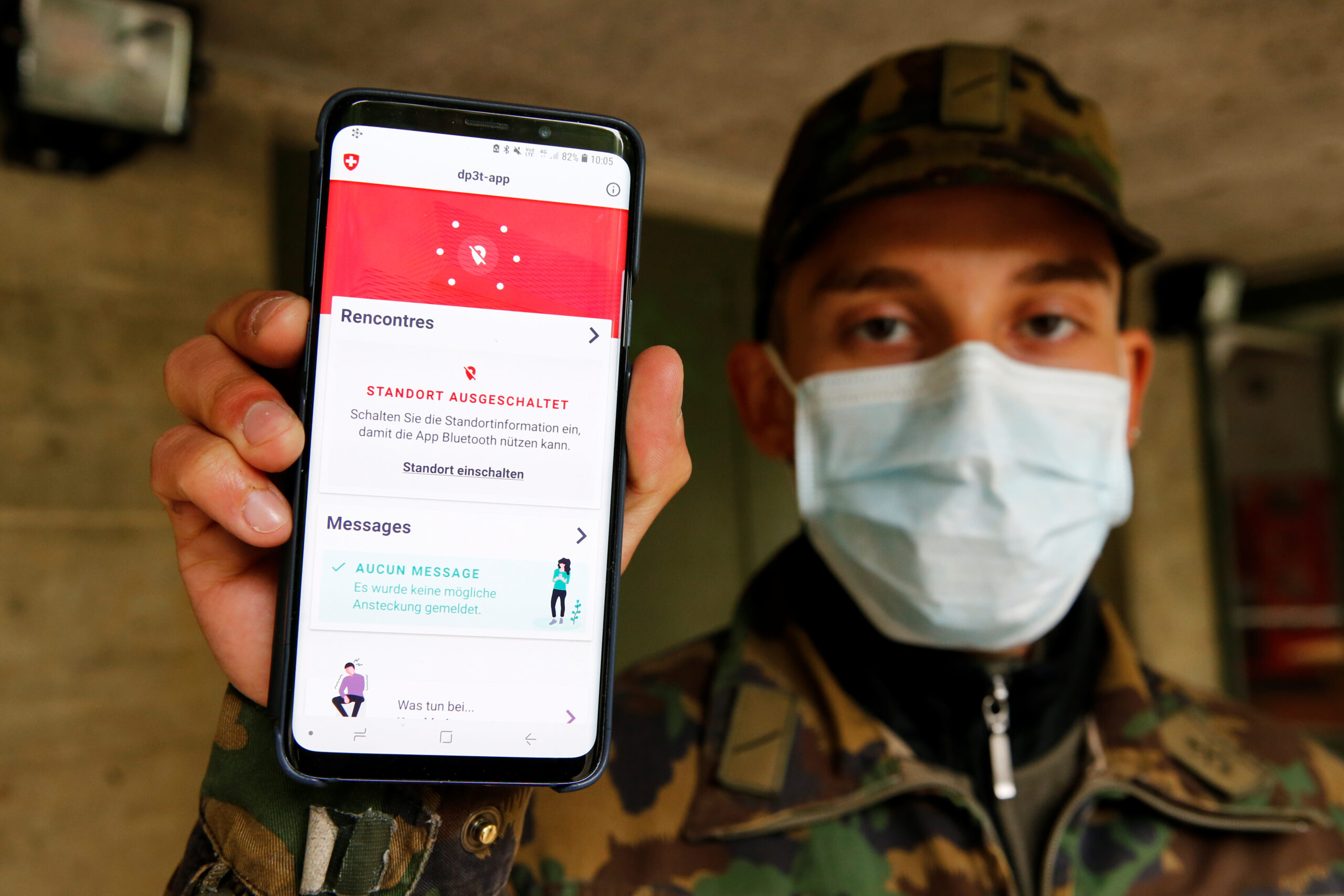
MILAN, July 16 (Thomson Reuters Foundation) – As countries around the world emerge from coronavirus lockdowns, many are stepping up contact tracing efforts to head off a second wave of infections.
Yet, some mobile apps that were initially touted as a possible game-changer to help contain the virus have had a seemingly limited impact and been pulled.
The latest setback came on Monday when the British government admitted that England’s test and trace system had been launched without a full assessment of how people’s data could be misused.
As the world enters the second semester of COVID-19, here’s what you need to know about contact tracing apps:
WHERE HAVE CONTACT TRACING APPS BEEN DEPLOYED?
From Japan to Ireland, at least 25 countries have deployed an official contact tracing app, according to the MIT Technology Review, but features differ.
Some, like Israel’s HaMagen and Cyprus’ COVTRACER keep track of a phone location via GPS.
A growing number of nations, particularly in Europe, have instead opted to use Bluetooth short-range radio to measure the risk of exposure, after concluding that tracking people’s movements using location data would be intrusive.
HAVE THEY ENCOUNTERED ANY ISSUES?
Technical glitches, privacy concerns or a combination of both have hampered many apps’ development.
Britain abandoned plans to use Bluetooth-based apps that stored data centrally after it emerged it would not work well with iPhones.
Germany earlier abandoned a similar approach – which privacy experts warned could allow people’s relationships to be spied on – switching to an app based on technology from Apple and Alphabet’s Google that logs Bluetooth contacts on devices.
In June, Norway’s health authority halted use of its app and deleted all data gathered after the country’s data protection watchdog cited privacy concerns.