

Coronavirus is changing the world in unprecedented ways. Subscribe here for a daily briefing on how this global crisis is affecting cities, technology, approaches to climate change, and the lives of vulnerable people.
By Umberto Bacchi
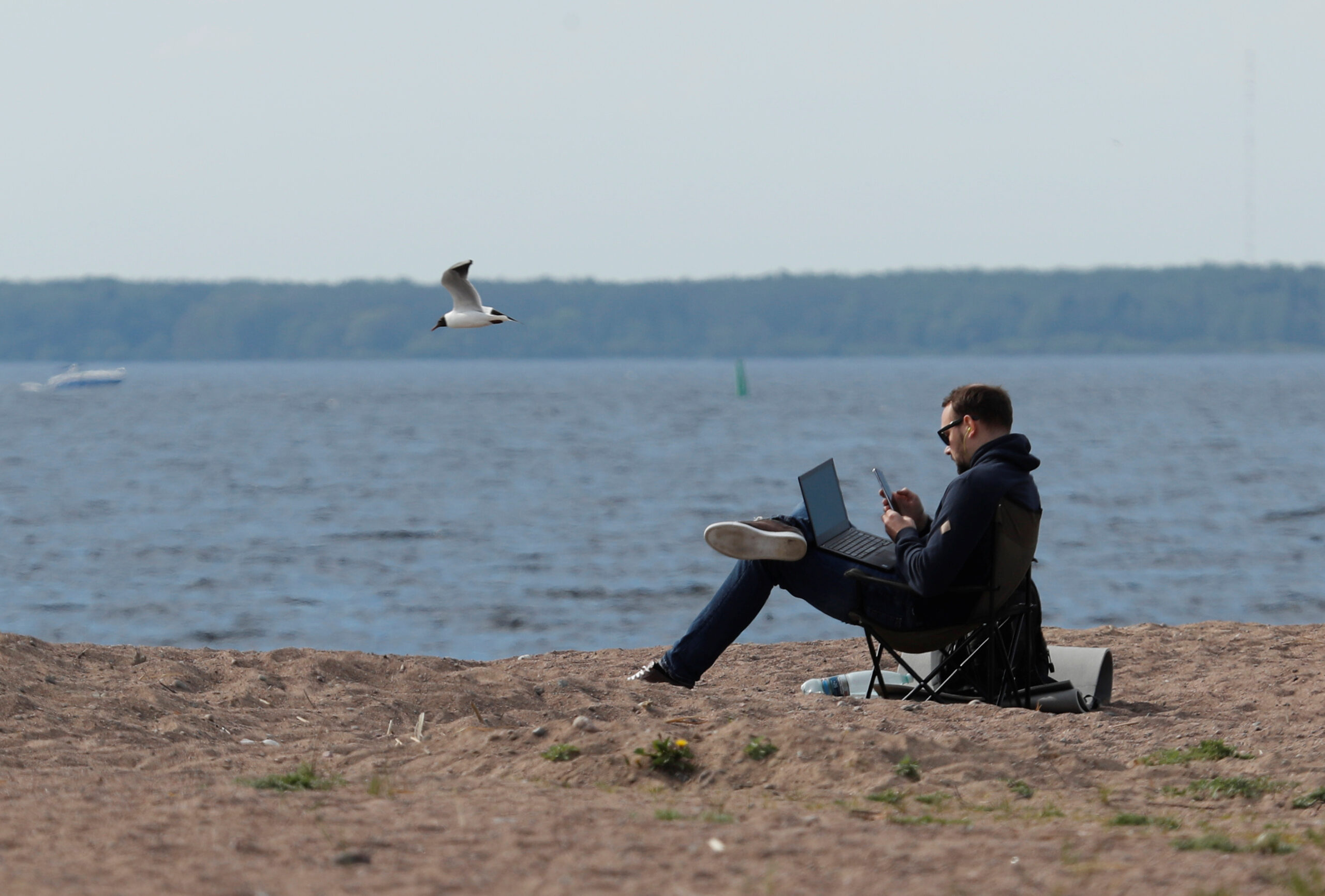
MILAN, Aug 6 (Thomson Reuters Foundation) – Offering sunny beaches, cheap living and low infection rates, countries are competing for a new generation of remote workers in a bid to ride out the pandemic and make up for lost visitors.
From Estonia to Barbados, nations have launched visa regimes aimed at wooing “digital nomads” to bolster their economy, chasing the sort of people who mix work with travel and can set up shop any place with an internet connection.
“Work from Paradise,” boasts the web page of the Barbados’ 12-month Welcome Stamp Visa, which launched in July allowing remote workers to relocate to the Caribbean island for one year.
“Our new … (visa) allows you to … work from one of the world’s most beloved tourism destinations,” the country’s Prime Minster Mia Mottley wrote in a welcome message on the page.
Interest in “digital nomadism” is set to spike in coming years as Covid-19 boosts remote working, said David Cassar, chief operations officer of U.S. tech firm MBO Partners.
Even before the pandemic, numbers were growing, with more than 7 million people in the United States calling themselves digital nomads in 2019, up from about 5 million in 2018, according to research from the firm.
Countries launching the new visa regimes hope that luring some of them could help stimulate local economies hit by the new coronavirus and make up for some of the lost tourism.