


Coronavirus is changing the world in unprecedented ways. Subscribe here for a twice-weekly briefing on how this global crisis is affecting cities, technology, approaches to climate change, and the lives of vulnerable people.
By Ban Barkawi
AMMAN, Aug 20 (Thomson Reuters Foundation) – The gap between the richest and the poorest in the Middle East and North Africa – the world’s most unequal region – is widening due to the coronavirus, said an Oxfam report on Thursday.
Twenty-one of the Middle East’s wealthiest magnates in countries like the United Arab Emirates and Egypt have seen their net worth increase by $10 billion since the start of the pandemic, according to the aid agency.
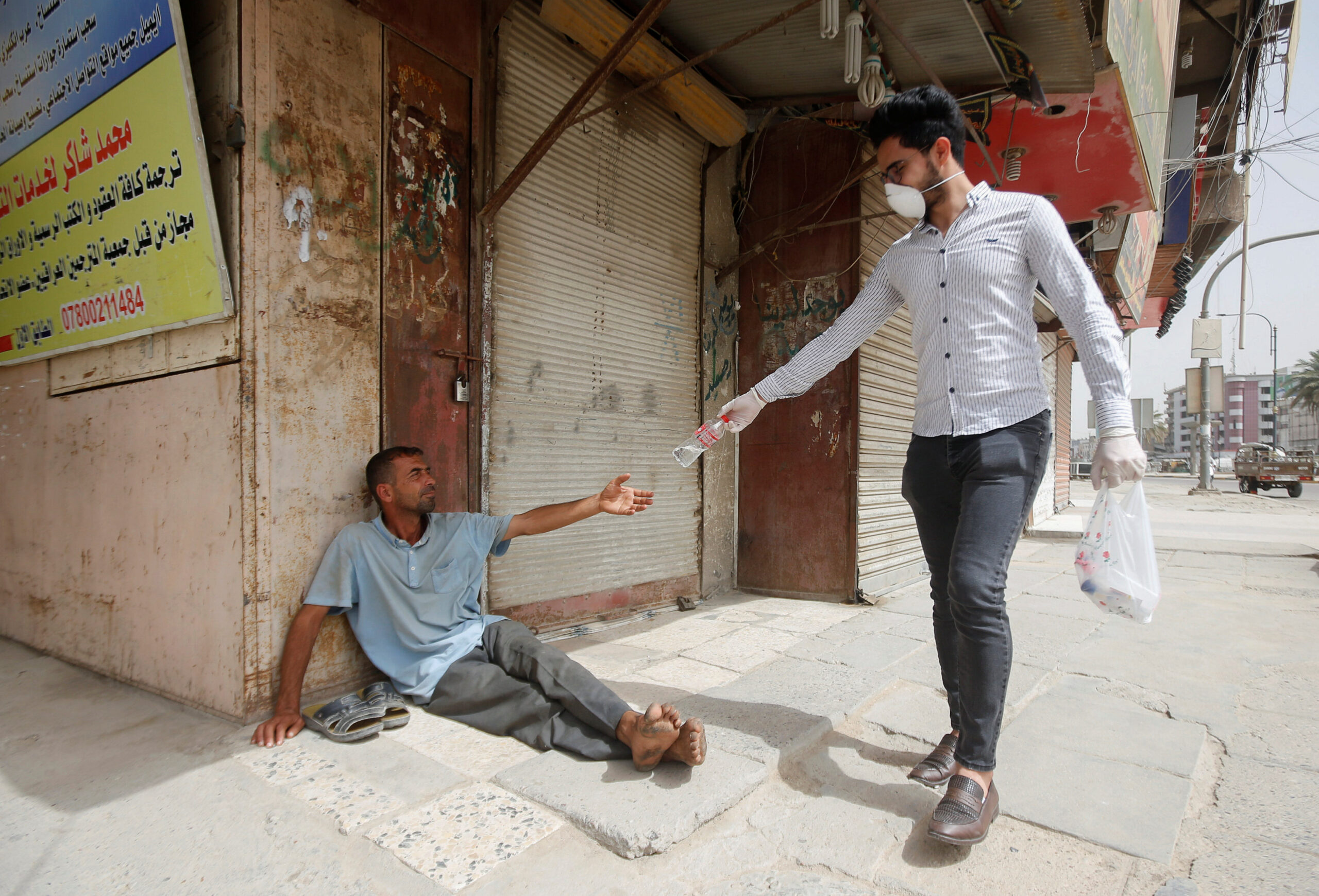
Yet COVID-19 is expected to push 45 million Arabs and North Africans into poverty and 1.7 million risk losing their jobs.
The pandemic has “supercharged” an economic collapse caused by years of conflict and placed the largest burden on the vulnerable.
WHY IS THE MIDDLE EAST’S WEALTH GAP SO WIDE?
Even before the coronavirus, 76% of the Middle East and North Africa’s income belonged to just 10% of the population.
Inequality has deepened since anti-government uprisings swept the Arab World in 2010 and saw countries introduce austerity measures.
Weak social protections for workers and tax policies that favored corporations over working-class citizens also played a role, said the 32-page ‘For a Decade of Hope Not Austerity’ report.
In Tunisia for example, tax revenues contributed by corporations fell by 37% between 2010 and 2018 while household tax increased by 10% in the same period.
WHO WILL BE MOST AFFECTED?
Coronavirus threatens the livelihood of 700,000 Middle Eastern women – around 40% of the 1.7 million jobs expected to be lost. That is despite women in the region only making up 20% of the workforce.
Lockdowns may have spurred digital workarounds in some schools and workplaces but in countries like Iraq and Morocco where only about half of women have access to the Internet, many will be left behind.
The region’s 16 million informal workers – many working on construction sites in Arab Gulf countries like Qatar – are especially vulnerable as they lack legal and social protections if the virus put them out of work.
Almost 14% of the world’s migrant workers live in the Middle East, where the so-called kafala sponsorship system binds them to their employers and can lead to exploitation.
In Gulf countries, where they have no guarantee of social security or pensions, the infection rate was highest among migrant workers, many who had already lost their jobs and were forced to use their savings to survive.