

Coronavirus is changing the world in unprecedented ways. Subscribe here for a briefing twice a week on how this global crisis is affecting cities, technology, approaches to climate change, and the lives of vulnerable people.
By Nellie Peyton and Kim Harrisberg
DAKAR/JOHANNESBURG, Oct 21 (Thomson Reuters Foundation) – In rural Sierra Leone, teenagers tuned into solar-powered radios for their lessons, while Kenyan students texted a code to receive free learning guides on their phones.
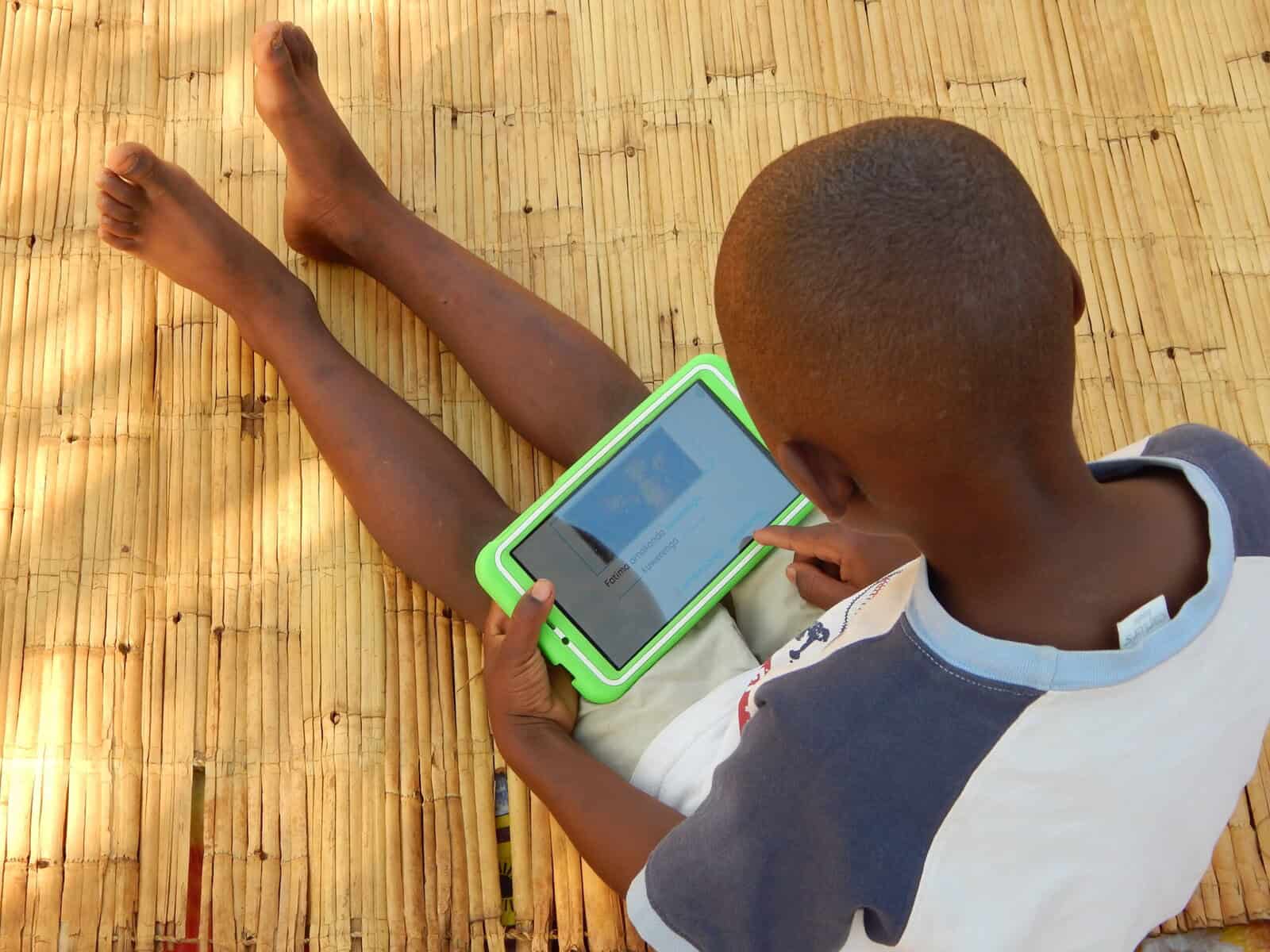
As COVID-19 shut Africa’s schools, governments and charities rushed to make learning accessible to millions of pupils without internet or even electricity, sparking innovations that could keep children learning long after the pandemic has passed.
“The situation… pushed all the governments and education ministries to think in a different way,” said Elena Locatelli, an advisor on education in emergencies at the U.N. children’s agency UNICEF.
In a matter of months, officials set up distance-learning programmes, often via TV and radio, while charities and start-ups distributed devices and materials to supplement them.
Even as children now return to classrooms, many of the initiatives are set to continue for vulnerable children who struggle to attend school due to poverty or conflict.
Sub-Saharan Africa has the world’s highest rate of out-of-school children, with about a third missing out on classes in 2018, according to the U.N. cultural agency UNESCO.
“All these solutions… can also be used in situations in which children have no access to school due to conflict or insecurity, or for children that find themselves on the move,” Locatelli told the Thomson Reuters Foundation.
The rise of distance learning could “completely transform” how countries think about education, said Sarah Smith from the International Rescue Committee (IRC), which has been developing audio lessons for refugee children.
“It could open up opportunities for formal education systems to welcome in things like a radio programme or a new app into their curriculum in a way they have been reluctant to do in the past,” said Smith, senior education director at the IRC.