

-
Soccer-loving nations count losses of failing to qualify
-
Small businesses and informal workers set to be hard-hit
-
Some traders face losses on merchandise investments
By Anastasia Moloney and Kelechukwu Iruoma
BOGOTA/LAGOS, April 8 (Thomson Reuters Foundation) – Colombian food vendor William Abella had been counting on the World Cup 2022 as an opportunity to offset his losses from long COVID-19 lockdowns.
When the national team plays, his small corner shop and snack bar in central Bogota usually turns into a sea of yellow as football fans wearing the squad’s official shirt gather to drink and chat, lifting beer sales by up to 80%.
But like many small traders in footballing countries that unexpectedly failed to qualify, his hopes for bumper business from fans cheering on their side have been dashed.
“With Colombia out of the World Cup, I’m expecting my beer sales to decrease by about half,” said 65-year-old Abella.
The World Cup, which is being hosted by Qatar and kicks off in November, is big business, generating billions of dollars in consumer spending in tourism, food and drink, merchandise and more.
But as businesses across the world gear up to cash in, developing countries known for their football prowess – yet which failed to qualify – are counting their losses.
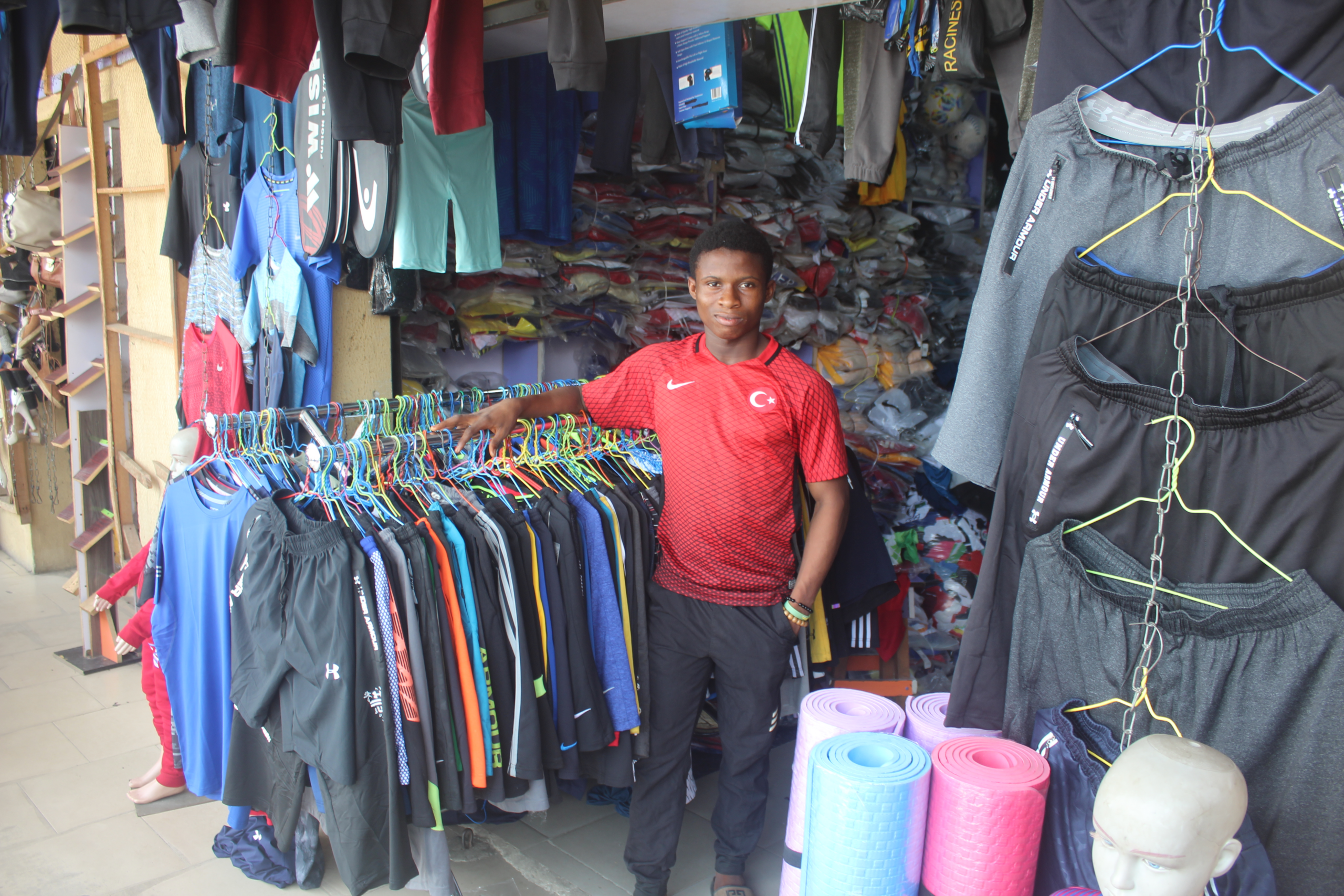
From street vendors in Colombia to shopkeepers in Algeria and owners of football viewing halls in Nigeria, small businesses and informal workers who rely on cash-in-hand earnings during football matches fear a big decline in income.
In north Bogota, street vendor Roberto Teyes sold and traded stickers for the Panini football album during the last World Cup, hosted by Russia in 2018.
“There’ll be less interest in collecting stickers as the Colombian team won’t be in the album,” said Teyes, adding he earned up to $130 in a day in sticker sales.
“I’d hoped for a good end to the year. I really needed it after COVID,” he said.