
SEARCH
-
photo
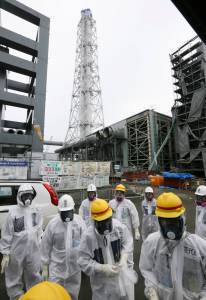
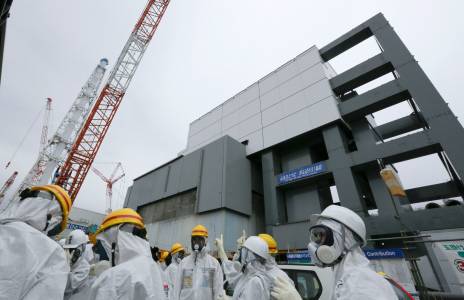
Members of the media and TEPCO employees stand in front of the No. 4 reactor building in Fukushima
Members of the media and Tokyo Electric Power Co. (TEPCO) employees wearing protective suits and masks stand in front of the No. 4 reactor building at the tsunami-crippled TEPCO's Fukushima Daiichi nuclear power plant in Fukushima prefecture, November 7, 2013. Japan approved on October 30, 2013 a plan by TEPCO to extract thousands of nuclear fuel rods from the fuel pool of the No. 4 reactor of the Fukushima Daiichi plant. Containing radiation equivalent to 14,000 times the amount released in the atomic bomb attack on Hiroshima 68 years ago, more than 1,300 used fuel rod assemblies packed tightly together need to be removed from a building that is vulnerable to collapse, should another large earthquake hit the area. REUTERS/Kimimasa Mayama/Pool (JAPAN - Tags: DISASTER ENERGY)
-
photo
Members of the media and TEPCO employees stand in front of the No. 4 reactor building in Fukushima prefecture
Members of the media and Tokyo Electric Power Co. (TEPCO) employees wearing protective suits and masks stand in front of the No. 4 reactor building at the tsunami-crippled TEPCO's Fukushima Daiichi nuclear power plant in Fukushima prefecture November 7, 2013. Japan approved on October 30, 2013 a plan by TEPCO to extract thousands of nuclear fuel rods from the fuel pool of the No. 4 reactor of the Fukushima Daiichi plant. Containing radiation equivalent to 14,000 times the amount released in the atomic bomb attack on Hiroshima 68 years ago, more than 1,300 used fuel rod assemblies packed tightly together need to be removed from a building that is vulnerable to collapse, should another large earthquake hit the area. REUTERS/Kimimasa Mayama/Pool (JAPAN - Tags: DISASTER ENERGY)
-
photo
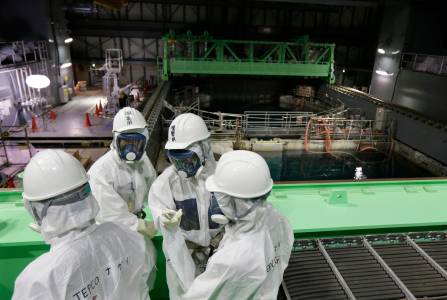
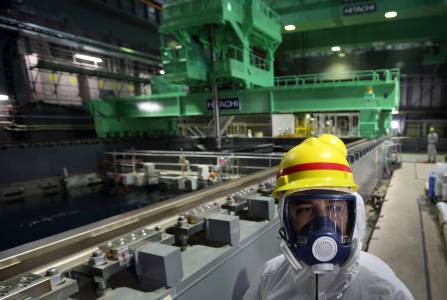
Members of the media and TEPCO employees are seen near the spent fuel pool inside the No. 4 reactor building in Fukushima
Members of the media and Tokyo Electric Power Co. (TEPCO) employees wearing protective suits and masks are seen near the spent fuel pool inside the No. 4 reactor building at the tsunami-crippled TEPCO's Fukushima Daiichi nuclear power plant in Fukushima prefecture, November 7, 2013. Japan approved on October 30, 2013 a plan by TEPCO to extract thousands of nuclear fuel rods from the fuel pool of the No. 4 reactor of the Fukushima Daiichi plant. Containing radiation equivalent to 14,000 times the amount released in the atomic bomb attack on Hiroshima 68 years ago, more than 1,300 used fuel rod assemblies packed tightly together need to be removed from a building that is vulnerable to collapse, should another large earthquake hit the area. REUTERS/Kimimasa Mayama/Pool (JAPAN - Tags: DISASTER ENERGY)
-
article
Sunni Islamist group claims killing of Iranian prosecutor
IRAN-ATTACK/:Sunni Islamist group claims killing of Iranian prosecutor
-
photo
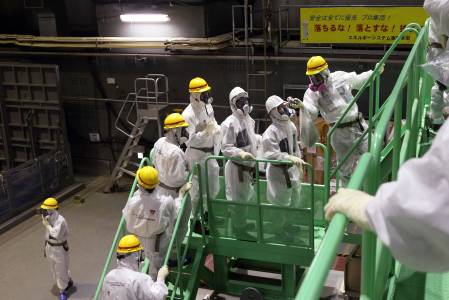
Members of the media and TEPCO employees walk up the steps of a crane for the spent fuel pool inside the No.4 reactor building in Fukushima
Members of the media and Tokyo Electric Power Co. (TEPCO) employees wearing protective suits and masks walk up the steps of a crane for the spent fuel pool inside the No.4 reactor building at the tsunami-crippled TEPCO's Fukushima Daiichi nuclear power plant in Fukushima prefecture November 7, 2013. Japan approved on October 30, 2013 a plan by TEPCO to extract thousands of nuclear fuel rods from the fuel pool of the No. 4 reactor of the Fukushima Daiichi plant. Containing radiation equivalent to 14,000 times the amount released in the atomic bomb attack on Hiroshima 68 years ago, more than 1,300 used fuel rod assemblies packed tightly together need to be removed from a building that is vulnerable to collapse, should another large earthquake hit the area. REUTERS/Tomohiro Ohsumi/Pool (JAPAN - Tags: DISASTER ENERGY)
-
photo
Members of the media look at an impervious wall installed along the coast in Fukushima prefecture
Members of the media look at an impervious wall made of steel pipe sheet pile installed along the coast at the tsunami-crippled Tokyo Electric Power Co.'s (TEPCO) Fukushima Daiichi nuclear power plant in Fukushima prefecture November 7, 2013. Japan approved on October 30, 2013 a plan by TEPCO to extract thousands of nuclear fuel rods from the fuel pool of the No. 4 reactor of the Fukushima Daiichi plant. Containing radiation equivalent to 14,000 times the amount released in the atomic bomb attack on Hiroshima 68 years ago, more than 1,300 used fuel rod assemblies packed tightly together need to be removed from a building that is vulnerable to collapse, should another large earthquake hit the area. REUTERS/Tomohiro Ohsumi/Pool (JAPAN - Tags: DISASTER ENERGY)
-
photo
Members of the media look at the spent fuel pool from a fuel handling machine inside the No.4 reactor building in Fukushima
Members of the media wearing protective suits and masks look at the spent fuel pool from a fuel handling machine inside the No.4 reactor building at the tsunami-crippled TEPCO's Fukushima Daiichi nuclear power plant in Fukushima prefecture, November 7, 2013. Japan approved on October 30, 2013 a plan by TEPCO to extract thousands of nuclear fuel rods from the fuel pool of the No. 4 reactor of the Fukushima Daiichi plant. Containing radiation equivalent to 14,000 times the amount released in the atomic bomb attack on Hiroshima 68 years ago, more than 1,300 used fuel rod assemblies packed tightly together need to be removed from a building that is vulnerable to collapse, should another large earthquake hit the area. REUTERS/Tomohiro Ohsumi/Pool (JAPAN - Tags: DISASTER ENERGY)
-
photo
A member of the media walks in front of a fuel handling machine on the spent fuel pool inside the No.4 reactor building in Fukushima
A member of the media wearing a protective suit and mask walks in front of a fuel handling machine on the spent fuel pool inside the No.4 reactor building at the tsunami-crippled TEPCO's Fukushima Daiichi nuclear power plant in Fukushima prefecture November 7, 2013. Japan approved on October 30, 2013 a plan by TEPCO to extract thousands of nuclear fuel rods from the fuel pool of the No. 4 reactor of the Fukushima Daiichi plant. Containing radiation equivalent to 14,000 times the amount released in the atomic bomb attack on Hiroshima 68 years ago, more than 1,300 used fuel rod assemblies packed tightly together need to be removed from a building that is vulnerable to collapse, should another large earthquake hit the area. REUTERS/Tomohiro Ohsumi/Pool (JAPAN - Tags: DISASTER ENERGY)
-
photo
Members of the media and TEPCO employees stand in front of the No. 4 reactor building in Fukushima
Members of the media and Tokyo Electric Power Co. (TEPCO) employees wearing protective suits and masks stand in front of the No. 4 reactor building at the tsunami-crippled TEPCO's Fukushima Daiichi nuclear power plant in Fukushima prefecture, November 7, 2013. Japan approved on October 30, 2013 a plan by TEPCO to extract thousands of nuclear fuel rods from the fuel pool of the No. 4 reactor of the Fukushima Daiichi plant. Containing radiation equivalent to 14,000 times the amount released in the atomic bomb attack on Hiroshima 68 years ago, more than 1,300 used fuel rod assemblies packed tightly together need to be removed from a building that is vulnerable to collapse, should another large earthquake hit the area. REUTERS/Tomohiro Ohsumi/Pool (JAPAN - Tags: DISASTER ENERGY)
-
photo
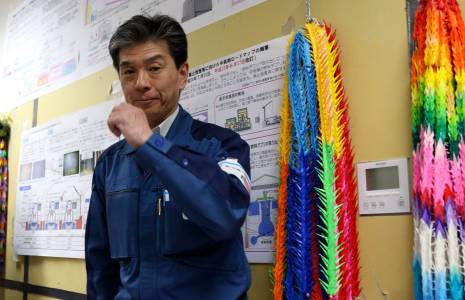
Fukushima Daiichi nuclear power plant chief Ono leaves after speaking to the media in Fukushima
Akira Ono, plant chief for the Fukushima Daiichi nuclear power plant at Tokyo Electric Power Co.'s (TEPCO), leaves after speaking to the media inside the Seismic Isolated Building at the tsunami-crippled TEPCO's Fukushima Daiichi nuclear power plant in Fukushima prefecture November 7, 2013. Japan approved on October 30, 2013 a plan by TEPCO to extract thousands of nuclear fuel rods from the fuel pool of the No. 4 reactor of the Fukushima Daiichi plant. Containing radiation equivalent to 14,000 times the amount released in the atomic bomb attack on Hiroshima 68 years ago, more than 1,300 used fuel rod assemblies packed tightly together need to be removed from a building that is vulnerable to collapse, should another large earthquake hit the area. REUTERS/Tomohiro Ohsumi/Pool (JAPAN - Tags: DISASTER ENERGY)

Copyright © 2020 Thomson Reuters Foundation. Thomson Reuters Foundation is a charity registered in England and Wales (registration number: 1082139)
