
SEARCH
-
article
Online classes, video meetings: Can coronavirus spur low-carbon habits?
As a pandemic shuts down conferences, transport, schools and sporting events worldwide, it may nudge people toward new behaviors that could create lasting emissions cuts
-
article
Don't let impact of coronavirus breed hate, urges EU human rights agency
Michael O'Flaherty of the European Union Agency for Fundamental Rights says extra care is needed to protect marginalised groups such as homeless and refugees
-
article
Coronavirus prompts Thunberg to move Friday climate rallies online
Coronavirus spread has prompted an increasing number of countries to ban big public gatherings
-
article
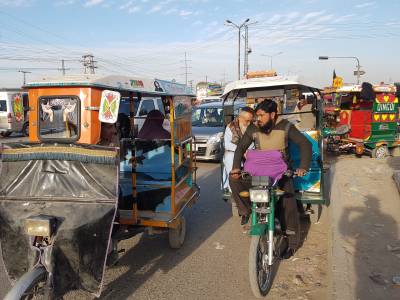
Electric vehicle push struggles to accelerate in Pakistan
Imran Khan's government is pushing for greener transport, to curb air pollution and climate change, but traditional automakers fear being left behind
-
article
'Wild West': Caution urged on facial recognition rollout in U.S. schools
Rising numbers of schools are using facial recognition amid calls for strict regulation on its use
-
article
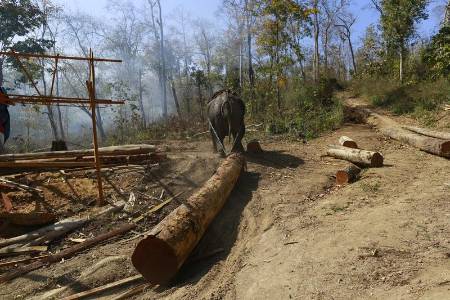
Asia's rapid urbanisation, deforestation linked to deadly viruses
Diseases like coronavirus which are passed from animals to humans are rising as wild habitats are destroyed and cities become more densely populated
-
article
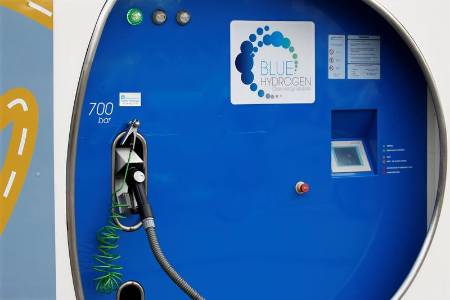
EU plans support for heavy industry's climate challenge
The European Commission will propose a public-private "alliance" to produce clean hydrogen to replace fossil fuels and help companies cut emissions
-
article
Ban short-haul flights for climate? In EU poll 62% say yes
European Investment Bank says its survey shows Europeans support action to tackle climate change, even when it impacts their daily lives, but less so when it involves increases in direct costs
-
article
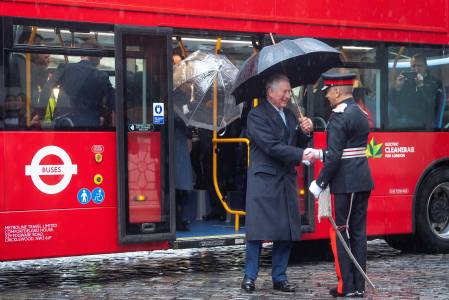
Coronavirus tops 'perfect storm' of climate challenges, says Prince Charles
The growing COVID-19 outbreak is making already complex efforts to speed action on climate change more challenging, says Britain's Prince Charles
-
article
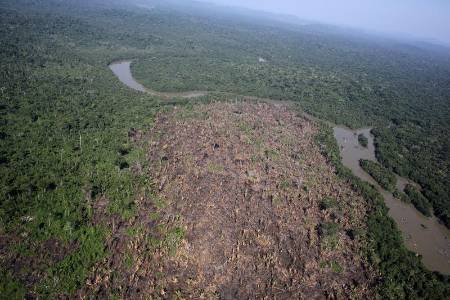
Amazon and other large ecosystems at risk of rapid collapse - study
Caribbean coral reefs could collapse in 15 years while the Amazon rainforest could die back within 50 years, says a new study - but some question its findings






Copyright © 2020 Thomson Reuters Foundation. Thomson Reuters Foundation is a charity registered in England and Wales (registration number: 1082139)
