
SEARCH
-
article
Afghan people 'should not be silenced again' says founder of women's orchestra
The Taliban banned music and prevented girls from going to school during their brutal five-year rule, which ended in 2001
-
article
India's pastoralists urged to use technology to protect rights
Herders around the world are coming under pressure from governments and farmers to settle down and stop their livestock roaming
-
article
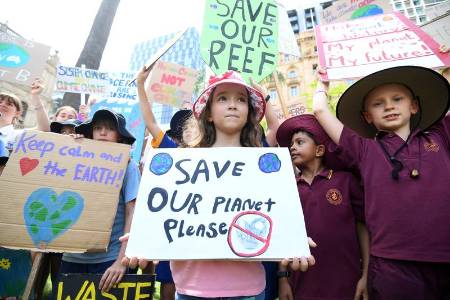
Australian, NZ students kick off global climate change strike
Protests were held in cities across Australia and New Zealand, drawing tens of thousands of young people, with more planned throughout Europe, Asia and the United States on Friday
-
article
Visible or invisible? That's the question for land data
'With indigenous communities, the importance of keeping a place sacred is keeping it secret'
-
article
California declared totally drought-free for first time in 7 years
This week marks the first time since mid-December 2011 that 100 percent of the state has been classified as free of drought, after abundant winter rains and snowfall
-
article
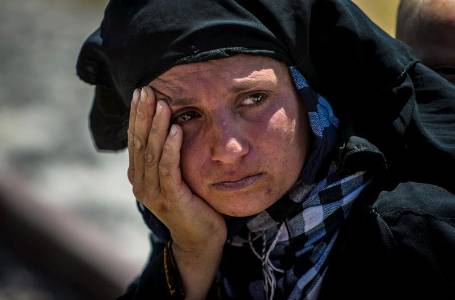
FACTBOX-Nine facts about Syria as fresh violence marks ninth year of war
Syria's war grew out of popular protests against President Bashar al-Assad and has laid waste to swathes of Syria, creating the world's largest refugee crisis
-
article
'Unworkable' U.S. system traps former sex slaves with criminal records
While the majority of states now have laws on the books to aid trafficking victims with their criminal records, the federal government does not
-
article
Slow pace of peace in Colombia putting rights activists at risk - U.N.
UN said 113 rights activists were killed last year, putting blame in part on a failure of the 2016 peace agreement to bring development to remote, rural and war-torn areas
-
article
George and Amal Clooney on justice mission for women and gay people
The couple's foundation plans to launch a project to monitor trials and create an index to track which countries use courtrooms to oppress minorities and government critics
-
article
Proposal for U.N. to study climate-cooling technologies rejected
Some countries, including the United States and Saudi Arabia, opposed the push to assess geoengineering, partly because it was based on a "precautionary" approach to the risks








Copyright © 2020 Thomson Reuters Foundation. Thomson Reuters Foundation is a charity registered in England and Wales (registration number: 1082139)
