

By Oscar Lopez
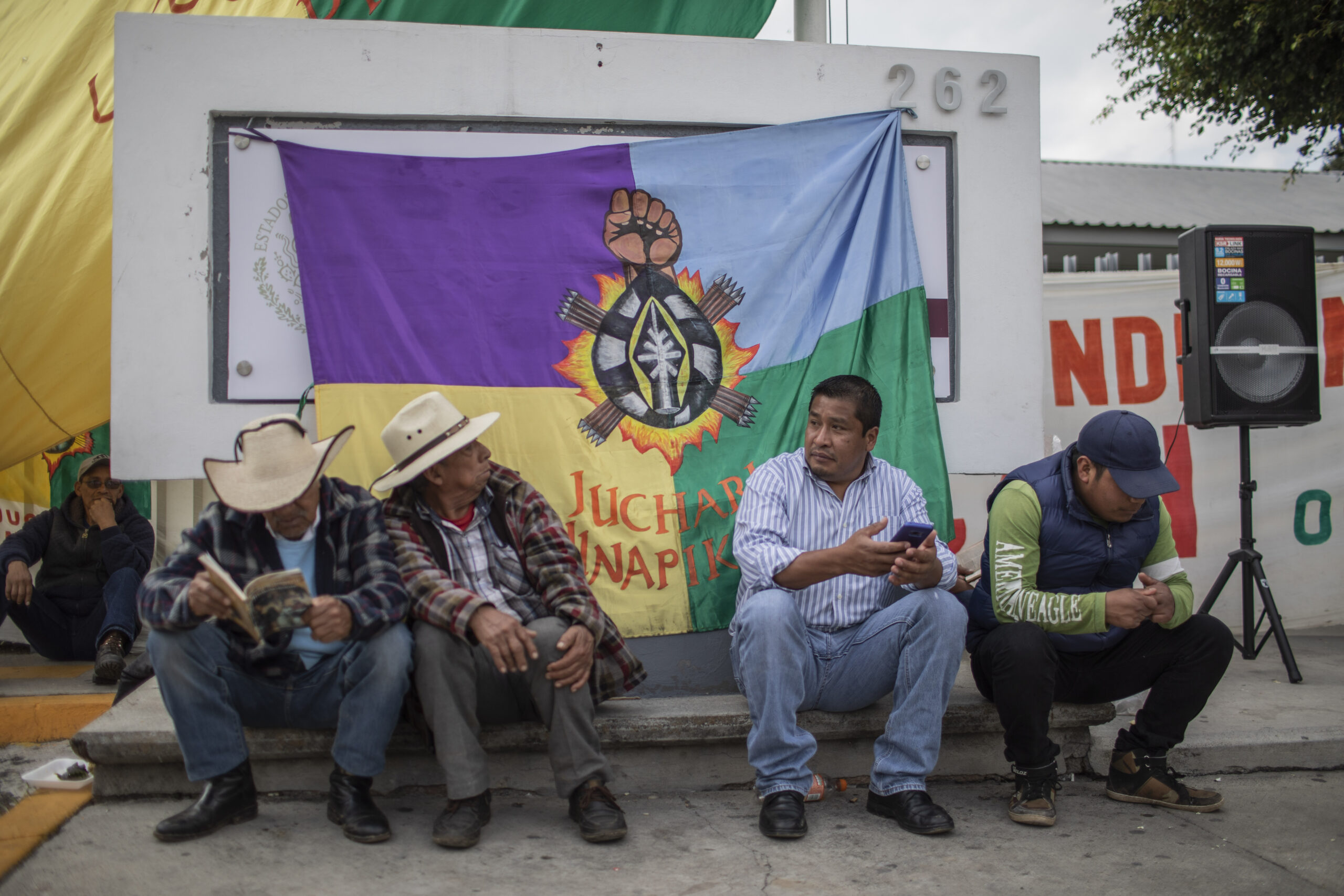
NAHUATZEN, Mexico, Jan 2 (Thomson Reuters Foundation) – With heavily armed state police patrolling the streets and its central plaza nearly desolate in the morning mist, the tension in the Mexican town of Nahuatzen is palpable.
The hamlet is one of about 50 indigenous communities in the southwestern state of Michoacan fighting to achieve autonomy for their town or village, according to the state government.
Locals say that after years of government corruption and soaring crime, they are better off managing public resources themselves.
“In 82 years of municipal presidents, they’ve never bothered to give the community, the people, the services or the progress that Nahuatzen (deserves),” said Efrain Villagomez Talavera, one of the town’s indigenous councillors.
“In my dreams, I would like to see … communities achieve true progress, not just in words,” he said.
Guaranteed under Mexico’s Constitution, self-determination allows indigenous communities to elect a citizens’ council which receives public funding directly and administers it among police, infrastructure, health and other services.
About 15% of Mexico’s population identifies as indigenous, according to the United Nations.
Some communities in Michoacan have managed to find relative peace since becoming autonomous, such as neighboring Cheran, one of the first towns to achieve independence in 2012.
Once plagued by entrenched organized crime, the community has become a relative safe haven in one of Mexico’s most violent states.
But other towns have had a bumpier road since achieving autonomy.