The protests sparked by Floyd's death have triggered changes in business, sport, culture and policing to address racial inequality around the world
By Anastasia Moloney, Thin Lei Win and Nellie Peyton
June 24 (Thomson Reuters Foundation) - Thursday marks one month since George Floyd, an unarmed Black man, died in police custody in the United States when a white police officer knelt on his neck for nearly nine minutes.
What tangible change has the protests sparked by Floyd's death brought about?
From Brazil to Britain, here are examples of action taken in business, sport, culture, and policing to address racial inequality.
MONUMENTS AND PUBLIC SYMBOLS
- From Britain to Belgium and the United States, authorities face growing pressure to remove monuments connected to colonialism and statues of people who have profited from slavery.
- In the British city of Bristol, a statue of Edward Colston, who made a fortune in the 17th century trading West African slaves, was toppled by protestors and thrown into the city's harbour.
The statue was later retrieved by authorities and moved into a museum, a move activists had long pushed for.
- A statue of Robert Milligan, an 18th century slave trader, was removed from its plinth in London outside a museum.
- In the United States, statues of Confederate leaders have been vandalized and torn down, including a statue of Confederate President Jefferson Davis toppled in Richmond, Virginia, while a Confederate monument was also removed in Birmingham, Alabama.
- The U.S. Marine Corps has banned public displays of the Confederate flag at its facilities.
- Several universities and towns in the South have renamed buildings and roadways named after leaders of the Confederate movement.
- In Washington DC, the street leading up to the White House is now called Black Lives Matter Plaza.
- New York's mayor Bill de Blasio has announced one main street in each of the city's five boroughs will be renamed Black Lives Matter to honor and "represent the fundamental power" of the movement.
BIG BUSINESS
- PepsiCo Inc pledged it would invest more than $400 million over five years to address racial inequality, create opportunity for Black-owned suppliers, and increase the number of Black managers by 30% by 2025.
The U.S. food giant also said it would drop the name and image of its more than 130-year-old brand logo Aunt Jemima, acknowledging the pancake mix and syrup branding was rooted in a "racial stereotype."
- Numerous major U.S. companies have declared June 19 - Juneteenth - an annual paid day off for its U.S. staff. The date commemorates the June 19, 1865 reading in Texas of President Abraham Lincoln's Emancipation Declaration, which brought an end to slavery in the United States.
Companies include ride-hailing service Uber, Swedish music streaming firm Spotify Technology SA, Twitter Inc and Square Inc., retailer J.C. Penney, and Nike.
- In Brazil, Bombril, a leading manufacturer of cleaning products, has withdrawn one of its steel wool sponge products from the market called "Krespinha" because its brand name is a derogatory reference to Black people's hair.
- Bank of America Corp said it would spend $1 billion over four years to address racial and economic inequality.
- In Britain, some institutions have begun re-examining their past, especially connections to slavery. Insurer Lloyd's of London apologized for its "shameful" role in the 18th and 19th Century Atlantic slave trade and pledged to invest in programmes to attract Black and minority ethnic talent.
- Leading British pub chain, Greene King, apologized for the profit one of its original founders made from the slave trade and said it would make investments to support race diversity in its business.
SPORT
- NASCAR has banned Confederate flags from its car races and events, saying the flag, "runs contrary to our commitment to providing a welcoming and inclusive environment." The Confederate flag was flown by the breakaway southern states, which defended slavery, in the 1861-65 American Civil War.
- The U.S. Soccer Federation dropped its requirement that players stand during the anthem, saying that the policy was wrong.
The policy was adopted in 2017 after U.S. women's player Megan Rapinoe took a knee during the anthem before a game, in solidarity with the U.S. National Football League (NFL) quarterback Colin Kaepernick, who knelt to call attention to racial injustice.
- The NFL announced a 10-year, $250 million fund to combat racism, saying the money would also "support the battle against the ongoing and historic injustices faced by African-Americans."
FASHION
- L'Oreal rehired Munroe Bergdorf, a British Black transgender model it sacked in 2017 after she described all white people as racist. The French cosmetics company offered Bergdorf a seat on a newly formed UK diversity and inclusion advisory board, a role she accepted.
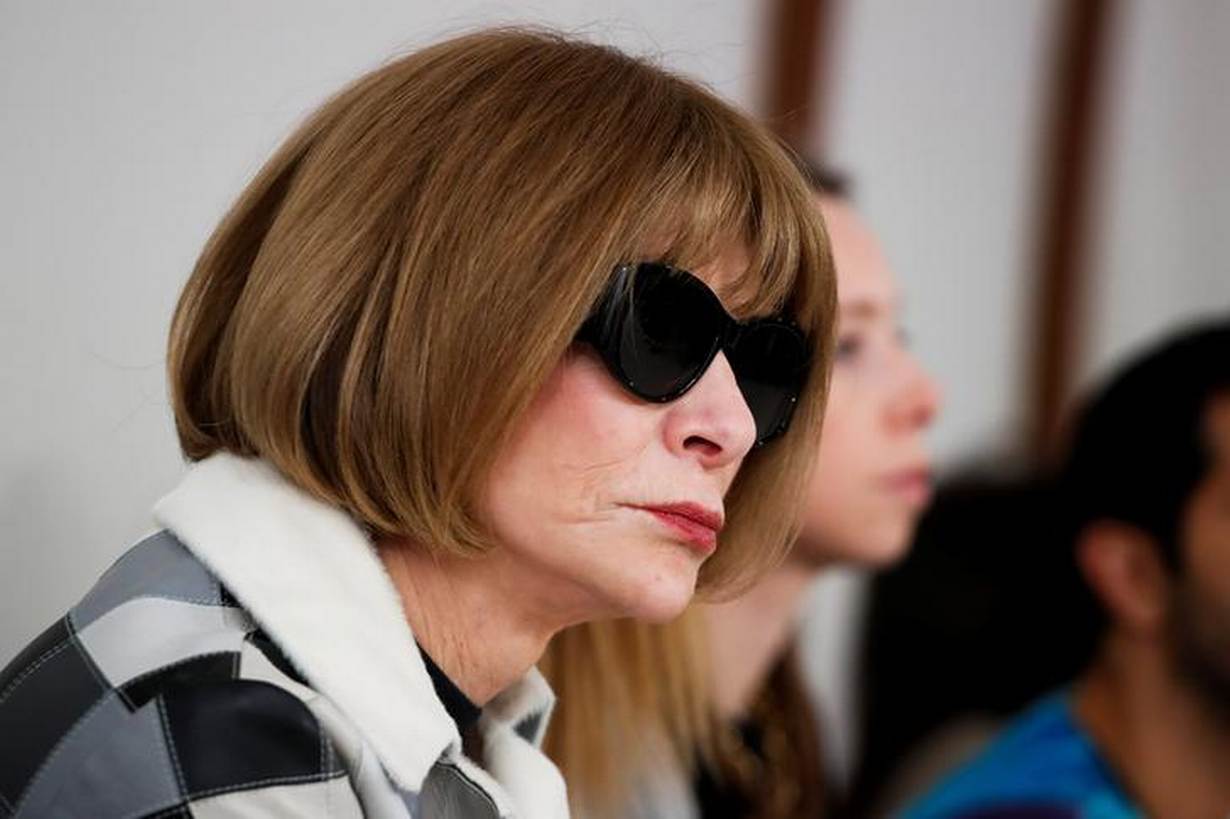
- Vogue's editor-in-chief, Anna Wintour, apologized for "hurtful and intolerant" mistakes by the magazine during her 30-year tenure. Wintour said Vogue, "has not found enough ways to elevate and give space to black editors, writers, photographers, designers and other creators."
POLICE REFORM
- In the United States, so far 16 states have introduced or amended more than 150 policing bills and at least nine have become law since Floyd's death on May 25.
- New York and Iowa have enacted broad police reform bills which ban all or most chokeholds and give the states more power to investigate and prosecute police misconduct.
- Seattle banned covering police badge numbers, and Memphis introduced a new policy by which officers are obligated to try to stop colleagues engaging in misconduct.
- In Lexington, Kentucky, top police officials will now need to approve "no-knock" warrants, which are used to forcibly enter homes but can result in residents shooting at officers seen as intruders.
- In France, the government backed down from banning a chokehold used to detain suspects following protests by police but said the technique would no longer be taught to recruits.
TECH INDUSTRY
- Apple Inc said the iPhone maker will increase spending with Black-owned suppliers as part of a $100 million racial equity and justice initiative.
The amount pales in comparison with other initiatives backed by the tech company. In 2019, Apple CEO Tim Cook said the company would spend $2.5 billion towards tackling the "housing crisis" in California and provide affordable housing.
- Google's YouTube video service said it will spend $100 million to fund Black content creators.
- Amazon.com Inc has imposed a one-year moratorium on police use of its facial recognition product, Rekognition, which critics say is more likely to misidentify people with darker skin and more likely to be used in minority communities.
ENTERTAINMENT
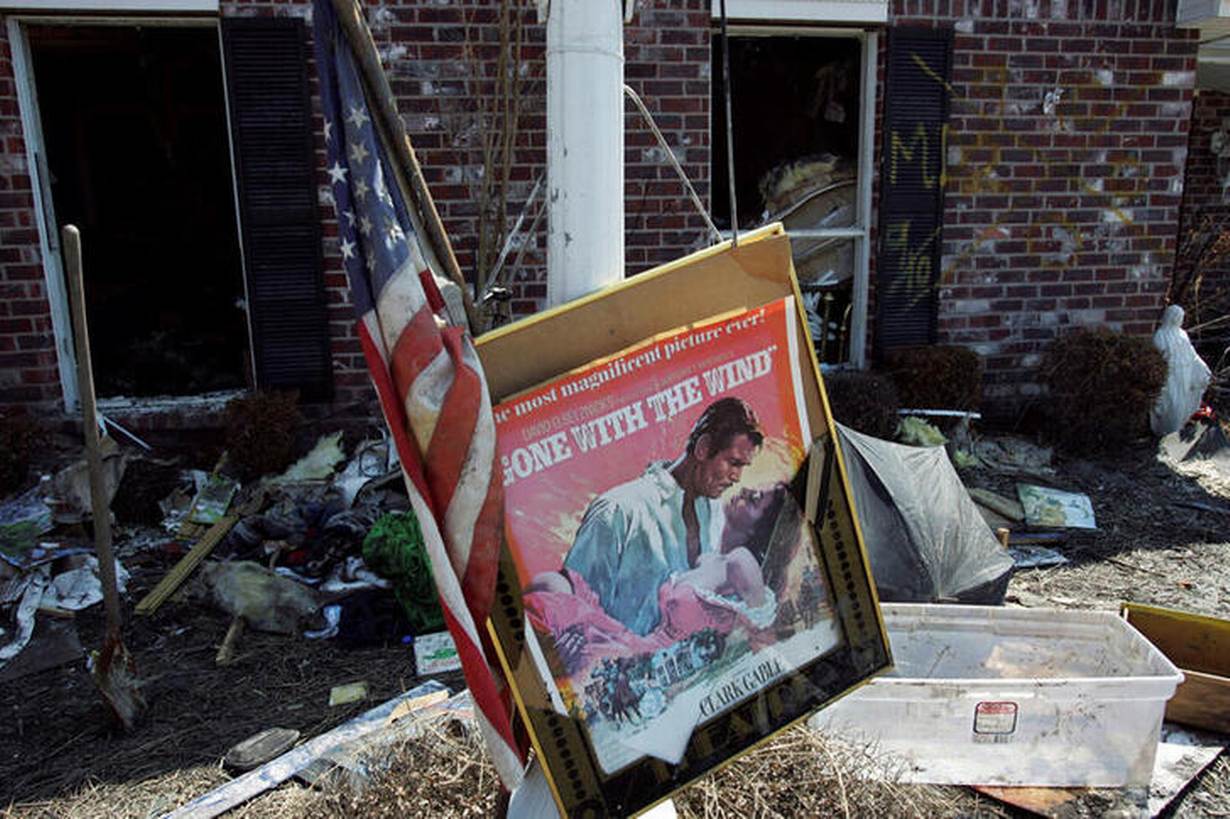
- HBO said it would pull from its HBO Max streaming service the Oscar-winning 1939 film "Gone with the Wind," long decried for its racist depictions of Black people in the antebellum South.
- The Paramount Network, a cable TV channel owned by ViacomCBS Inc, removed the show "Cops" from its schedule following criticism it glorified law enforcement without any footage of police brutality.
- Little Britain, a British comedy sketch show, has been removed from all UK streaming platforms due to criticism about the use of blackface by its two star comics.
- Popular U.S. country music trio, Lady Antebellum, changed its name to Lady A. Antebellum is a term used to describe culture in the Southern United States before the American Civil War when slavery was an accepted practice.
Related stories:
Roundtable: Will George Floyd's death bring change?
News package: Race and Inequality
End racial injustice? Abolish prisons, some U.S. activists say
(Reporting by Anastasia Moloney; Nellie Peyton; Thin Lei Win; Fabio Teixeria. Editing by Tom Finn. Please credit the Thomson Reuters Foundation, the charitable arm of Thomson Reuters, that covers the lives of people around the world who struggle to live freely or fairly. Visit http://news.trust.org)
Our Standards: The Thomson Reuters Trust Principles.