

* ‘Staggering’ amounts of aid being lost to banks
* Refugees and poor Lebanese hit hardest
* Aid agencies fear potential damage to reputation
By Timour Azhari
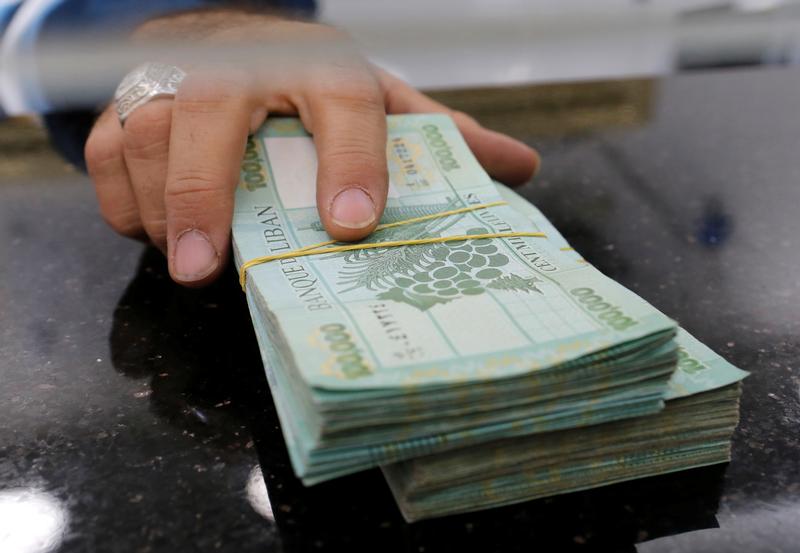
BEIRUT, June 17 (Thomson Reuters Foundation) – At least $250 million in U.N. humanitarian aid intended for refugees and poor communities in Lebanon has been lost to banks selling the local currency at highly unfavourable rates, a Thomson Reuters Foundation investigation has found.
The losses – described in an internal United Nations document as “staggering” and confirmed by multiple sources – come as Lebanon grapples with its worst ever economic crisis, with more than half the population living under the poverty line, according to the World Bank.
They stem from a plunge in the value of the Lebanese pound since the economy began to collapse in late 2019, sending prices soaring and forcing many Lebanese into poverty.
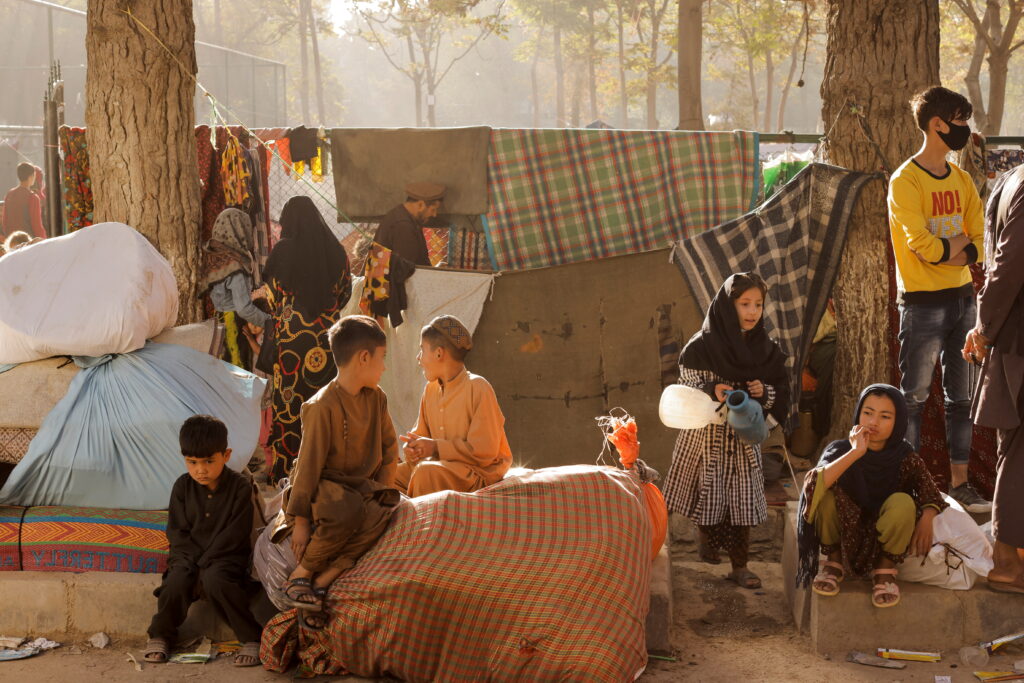
The unfavourable exchange rates offered by Lebanese banks have hit Syrian and Palestinian refugees and poor Lebanese particularly hard as they are able to buy far less with the cash handouts they receive from the U.N.
Pre-crisis, refugees and poor Lebanese received a monthly payout of $27, equal to about 40,500 Lebanese pounds, from the World Food Programme (WFP).
That has now risen to about 100,000 Lebanese pounds per person, but its real value is a fraction of what it was before – about $7 at the current rate.
“The buying power used to be very good, we could get an acceptable food basket,” said Abu Ahmad Saybaa, a Syrian refugee who runs a Facebook page that highlights the challenges faced by refugees in Lebanon.
“But now (the handouts) can’t get us more than a gallon of cooking oil. There’s a huge difference in purchasing power,” said the father of five, who has lived in a refugee camp in Lebanon’s rugged northeast since 2014.
“It’s weighing on all of our health – mental and physical.”
REFUGEE AID
An aid official and two diplomats from donor countries confirmed that between a third and half of all direct U.N. cash aid in Lebanon had been swallowed up by banks since the outset of the crisis in 2019. All spoke on condition of anonymity.
During 2020 and the first four months of 2021, banks exchanged dollars for U.N. agencies at rates on average 40% lower than the market rate, the aid official said.
Lebanon maintains an official exchange rate of about 1,500 pounds to the dollar, but since the crisis has only been able to apply that rate to a handful of essential goods.
All other imports have to be bought at much higher exchange rates, resulting in soaring prices.
Most of the losses came from a 2020 U.N. assistance programme worth about $400 million that provides around 1 million Syrian refugees in Lebanon with monthly funds for food, education, transport, and winter weather-proofing of shelters.